
In today's global market, the demand for efficient material handling systems is growing. This trend emphasizes the importance of Auger Conveyor Flight Edging solutions. These cutting-edge components are crucial for maximizing the performance of auger conveyors. They ensure smooth material flow and reduce wear over time.
Finding the right flight edging involves understanding specific needs. Various materials, design profiles, and dimensions cater to different applications. Buyers must consider factors that impact performance and durability. Properly selected edging prolongs equipment lifespan and enhances productivity.
However, selecting an ideal solution can be challenging. Not all suppliers offer the same quality or expertise in Auger Conveyor Flight Edging. It's vital for buyers to conduct thorough research. Accessing reliable information is essential in making informed decisions.
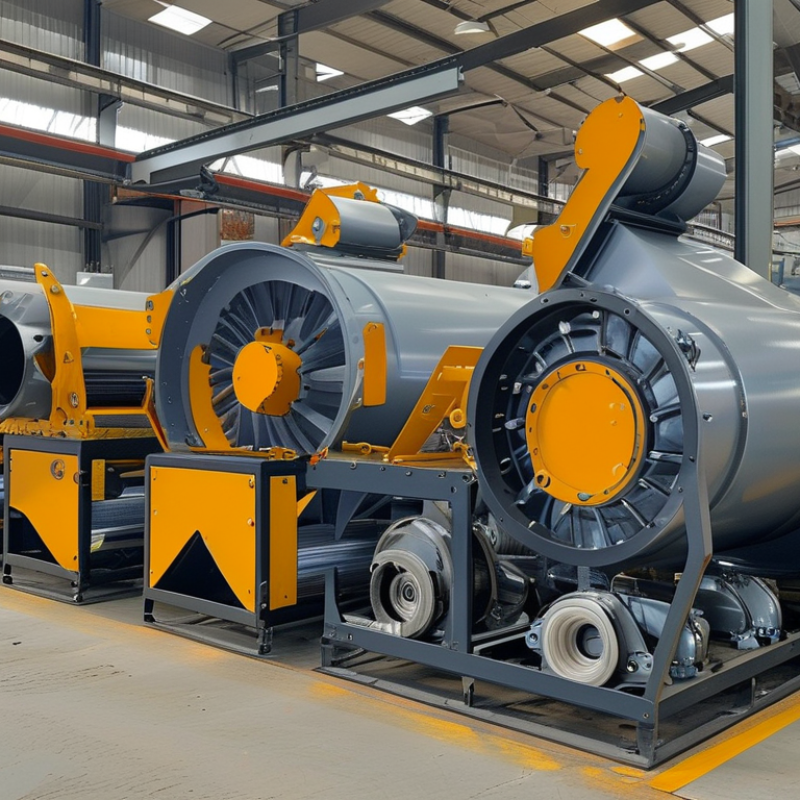
Auger conveyors play a crucial role in the material handling industry. They efficiently transport bulk materials in various sectors such as agriculture, mining, and food processing. By utilizing a helical screw, auger conveyors ensure consistent movement of material. This mechanism reduces the risk of material segregation and enhances operational efficiency.
In addition to their core function, auger conveyors contribute to workplace safety. They can transport materials in enclosed systems, minimizing dust emissions and reducing the risk of spills. However, not all auger conveyors are created equal. Attention must be given to the flight edging solutions. These components affect the overall performance and longevity of the conveying system. A poorly designed edging can lead to increased wear and tear, necessitating costly repairs and downtime.
Flexibility is a key advantage of auger conveyors. They can be customized to suit different materials and operational needs. Nonetheless, buyers should consult with experienced professionals to ensure that their choices align with industry demands. Investing time in understanding these systems is vital for achieving optimal results. Proper evaluation of flight edging solutions can greatly enhance the efficiency and reliability of the entire material handling process.
When it comes to auger conveyor flight edging solutions, design features play a vital role in performance. Durable materials are crucial; they withstand wear and prolong the lifespan of the screw conveyors. Many industry reports suggest that using high-strength steel can enhance durability by up to 30%. Resistance to corrosion is another key factor. Implementing coatings or using stainless steel can reduce maintenance costs significantly.
Another important aspect is the flight configuration. A well-designed flight pattern improves material flow and reduces blockages. Studies indicate that a properly engineered flight can increase efficiency by 15% to 20%. This not only saves time but also energy. Additionally, optimizing the pitch of the flights enhances performance, enabling better mixing and distribution of materials.
Cost-effectiveness remains a constant concern. Balancing quality with price requires careful planning. Some manufacturers still use outdated designs, leading to inefficiencies and higher operational costs. Therefore, choosing the right edging solution involves weighing durability against initial investment. Buyers must advocate for advanced design features that assure reliability and optimal performance. The right innovations could mean the difference between profit and loss.
When considering the materials used in auger conveyor flight edging, it’s essential to evaluate their unique benefits. Commonly used materials include steel, plastic, and urethane. Steel is often favored for its durability and strength. It withstands harsh environments and heavy loads, making it a reliable choice. Plastic offers resistance to corrosion and is lightweight. Urethane, known for its flexibility, can absorb shocks and impacts, extending the life of the conveyor.
Tips: Assess your specific application and environmental factors when selecting materials. Each option has advantages and possible drawbacks. The right material choice can affect performance and lifespan.
Another important factor is the design of the flight edging. A well-designed edging helps prevent material spillage and improves efficiency. However, some designs may require more maintenance than others. It’s vital to balance performance and maintenance needs. Be prepared for some adjustments based on operational feedback.
Tips: Regular inspections can help identify wear before it affects performance. Pay attention to the conditions in which your auger operates. Small changes can greatly influence the effectiveness of the edging material.
| Material | Benefits | Applications | Durability |
|---|---|---|---|
| Carbon Steel | Cost-effective, strong tensile strength | Agricultural applications, bulk handling | Moderate |
| Stainless Steel | Corrosion-resistant, hygienic | Food processing, pharmaceutical | High |
| Plastic | Lightweight, resistant to chemicals | Packaging, lightweight materials | Low |
| Aluminum | Lightweight, good conductivity | Mining, granulation | Moderate |
| Bronze | Resistant to wear and corrosion | Marine applications, heat exchangers | High |
Auger conveyors are essential in material handling. They utilize helical flights for efficient transport. Global manufacturers are refining their flight edging solutions to enhance performance. In 2022, the global auger conveyor market was valued at approximately $4 billion. This figure reflects a growing demand for reliable solutions across various industries, including agriculture and mining.
Notably, research indicates that well-designed edging can improve the life span of auger conveyors by up to 30%. Manufacturers are focusing on durable materials and specialized coatings. These advancements help reduce wear and tear. However, not all products meet the required standards. Some users report inconsistent performance in harsh environments.
Many manufacturers now use advanced simulation techniques. These techniques help predict how flight edging can withstand operational stresses. Despite these innovations, challenges persist. A gap exists in the availability of cost-effective solutions for small to medium enterprises. Ongoing feedback from end-users is crucial to refine these products. The industry must prioritize both quality and affordability.
Selecting the right auger conveyor flight edging is crucial for efficiency in material handling. Properly designed flight edging can enhance the durability and effectiveness of your system. According to industry reports, investing in quality flight edging can reduce downtime by as much as 15%. Consider the specific materials handled, as they influence wear patterns and performance.
One tip is to assess material compatibility before making a selection. For example, corrosive materials may require specialized coatings to ensure longevity. Additionally, operational temperatures can affect material choice. If conditions fluctuate significantly, opt for flexible edging that can adapt.
Another consideration is maintenance needs. Some flight edgings require more frequent inspections and replacements. This can affect overall efficiency. Choose options that balance durability with maintenance ease. Regularly check wear patterns to avoid unexpected failures. This proactive approach can save time and costs in the long run.
: Durable materials increase the lifespan of screw conveyors and reduce maintenance costs. They can improve durability by up to 30%.
A well-designed flight configuration enhances material flow and reduces blockages, potentially increasing efficiency by 15% to 20%.
Cost-effectiveness ensures that quality is balanced with price, avoiding inefficiencies and higher operational costs linked to outdated designs.
Assessing material compatibility helps ensure effective performance and longevity. Corrosive materials may need specialized coatings.
Fluctuating temperatures may require flexible edging options that can adapt to maintain efficient performance under varying conditions.
Some flight edgings need frequent inspections and replacements, which can impact efficiency. A balance of durability and maintenance ease is essential.
Regularly checking wear patterns allows for timely action to avoid unexpected failures, saving time and costs in the long run.
Yes, outdated designs can lead to inefficiencies and increased operational costs, making modern designs preferable for optimal performance.
The article explores the significance of Auger Conveyor Flight Edging in the realm of material handling, emphasizing its essential role in ensuring efficient and safe movement of various materials. Key design features are highlighted, illustrating how they contribute to the performance and longevity of the conveyors. Various materials used in manufacturing flight edging solutions are discussed, showcasing their benefits such as durability and resistance to wear.
Furthermore, the piece identifies prominent global manufacturers specializing in Auger Conveyor Flight Edging solutions, providing insights into the selection process for buyers. Selecting the right edging is crucial for optimizing operational efficiency. By understanding the components and options available, global buyers can make informed decisions tailored to their specific needs.
