
In the realm of material handling, the Auger Conveyor With Hopper stands out as an essential tool for various industries. Its design allows efficient transport and loading of bulk materials, making it ideal for sectors like agriculture, food processing, and mining. By integrating a hopper, this conveyor can store materials before processing, enhancing efficiency and productivity.
Global buyers often seek reliable machinery that reduces downtime. The Auger Conveyor With Hopper not only streamlines operations but also minimizes labor costs. However, it is crucial to choose a model that fits specific needs. Not all auger conveyors are created equal; some may lack durability or the ability to handle various materials effectively.
Investing in a top-quality Auger Conveyor With Hopper can yield significant long-term benefits, yet potential buyers should conduct thorough research. Understanding the technical specifications is vital for optimal performance. Flexibility in design and capacity could be the difference between success and frustration in material handling processes. Emphasis on these factors ensures a wise investment that aligns with operational goals.
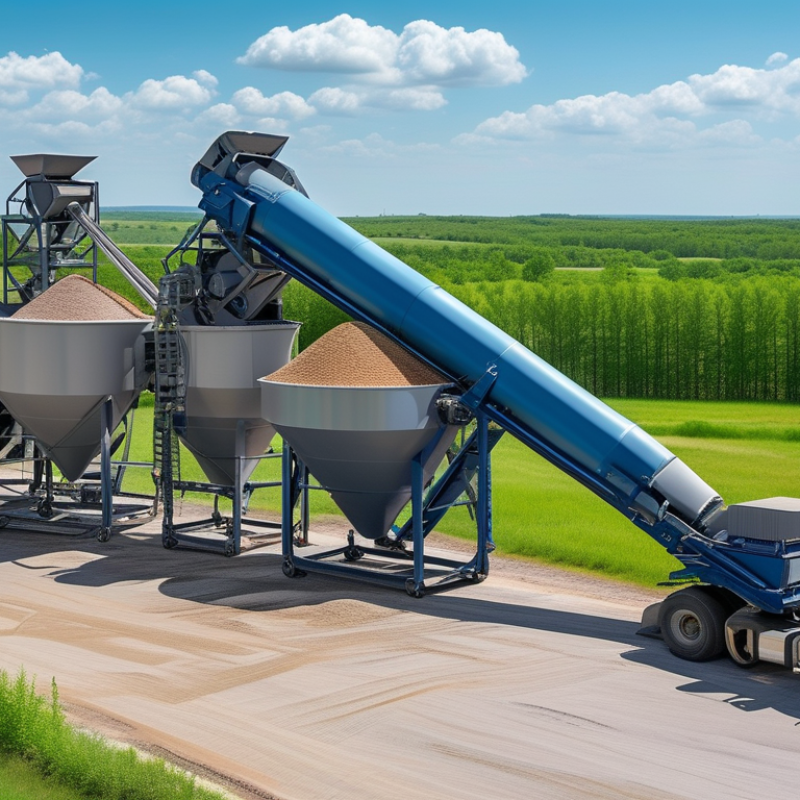
The auger conveyor, a critical component in many industries, serves to transport bulk materials efficiently. Its design is characterized by a helical screw that moves material along a fixed casing. This mechanism allows for various materials, from grains to powders, to be handled with minimal spillage and degradation.
Key features of top auger conveyors include adjustable discharge rates, which enhance operational flexibility. The ability to customize the auger diameter and pitch helps to accommodate different materials and flow rates. According to the Global Auger Conveyor Market Report, the market is expected to grow at a CAGR of 5.4% from 2023 to 2028, driven by the demand for more efficient material handling solutions in industries such as agriculture and food processing.
For optimal performance, consider the compatibility of the auger with the material used. Different materials may require different auger configurations. Regular maintenance is also crucial to prevent wear and tear, ensuring longevity. Investing in equipment that meets the specific needs of your operations can lead to improved efficiency and reduced downtime.
Hoppers play a crucial role in auger conveying systems. They serve as storage units for bulk materials, allowing them to flow steadily into the auger. This consistent flow enhances the efficiency of the conveying process. However, a poorly designed hopper can lead to material bridging or clogging. This may cause significant downtime and operational cost. Proper design is vital to ensuring smooth material transfer.
Moreover, hoppers can influence the overall performance of auger conveyors. When designed with the right angle and size, they can increase material handling capacity. This means more efficient operations and reduced energy consumption over time. However, not all hoppers are created equal. It is essential to consider factors like material type, flow rate, and environmental conditions during the design phase. Otherwise, inefficiencies may arise that impact productivity.
Understanding the importance of hoppers is key for manufacturers and buyers. Effective communication with engineering teams can lead to better outcomes. Decisions made during the planning stage can either enhance or hinder system performance. Manufacturers should focus on developing solutions that address these challenges for optimal results. Failure to do so may leave buyers grappling with unexpected hurdles.
Auger conveyors with hoppers offer significant advantages for global buyers, particularly in industries like agriculture, food processing, and construction. These systems are designed to move bulk materials efficiently, ensuring a continuous flow. The hopper acts as a buffer, allowing for smooth loading and reducing downtime during operation. This design enhances overall productivity, which is crucial for businesses looking to maximize output while minimizing costs.
When selecting an auger conveyor, buyers should consider its capacity and material compatibility. Different applications require varied specifications. For instance, a food processing plant might need a stainless steel auger for hygiene reasons, while a construction site may prefer a more robust design for heavy materials. Understanding these nuances is essential for making the right investment. Additionally, potential buyers may overlook the importance of maintenance. Routine checks are necessary to prevent breakdowns and ensure longevity, reflecting the need for ongoing commitment.
Another point to consider is the space required for installation. Auger conveyors often need specific configurations to function effectively. If a facility has restricted space, a customized solution might be necessary. Buyers must assess their operational layout comprehensively. Even minor discrepancies in installation can lead to inefficiencies. Taking the time to plan can significantly impact the performance and reliability of the auger conveyor system.
Auger conveyors are vital across various industries. They efficiently transport bulk materials, such as grains, powders, and granules. These conveyors are particularly effective in agriculture, construction, and food processing sectors. In agriculture, they facilitate the movement of grains from one point to another, enhancing productivity. Construction sites utilize auger conveyors to transfer dry materials like sand and gravel, reducing manual labor.
In the food industry, auger conveyors ensure the consistent movement of ingredients. This is crucial for maintaining product quality and safety. While they are efficient, they are not without challenges. Maintenance can be demanding due to wear and tear from abrasive materials. Additionally, the design must accommodate different material densities. Adjustments may sometimes be necessary to optimize performance. This requires expertise and a thorough understanding of the materials used.
The versatility of auger conveyors is remarkable. They can be tailored to fit diverse applications, making them suitable for various products. However, global buyers must carefully assess their unique needs. The wrong specifications can lead to inefficiencies. Balancing innovation and practicality is key. Users should always reflect on their operational goals and constraints before making decisions.
When selecting an auger conveyor configuration, several key factors come into play. The material type you intend to transport should be the first consideration. Different materials have varying densities and flow characteristics. For example, granular products, like grain or sand, act differently than powders. Understanding these properties impacts the design and efficiency of the system.
Another vital aspect is the required capacity. Calculate the volume you need to transport and the distance it needs to travel. There’s a balance between speed and capacity. High speed may risk clogging if the material flow is not well-managed. Operating at an optimal speed based on your materials can significantly enhance productivity and reduce maintenance needs.
Moreover, installation space and layout should not be overlooked. Ensure you have sufficient room for the hopper and conveyor installation. Curved designs might seem appealing but could complicate maintenance. Reflecting on your specific operational environment will lead to better long-term results. Despite having well-defined guidelines, each operational scenario is unique. Therefore, flexibility in your approach is crucial to finding the right configuration.
| Feature | Benefit | Consideration |
|---|---|---|
| Compact Design | Saves space in production environments | Check available installation area |
| High Efficiency | Reduces processing time with quick material transfer | Evaluate material handling capacity needs |
| Durable Construction | Long lifespan with minimal maintenance requirements | Consider material of construction based on application |
| Versatile Applications | Suitable for various materials (grains, powders, etc.) | Identify the types of materials to be handled |
| Safety Features | Minimizes risk of accidents in the workplace | Ensure compliance with industry safety standards |
| Easy Integration | Seamlessly fits into existing conveyor systems | Assess compatibility with current equipment |
: They are designed to move bulk materials efficiently, ensuring continuous flow.
The hopper acts as a buffer, enabling smooth loading and reducing downtime during operation.
Buyers should consider capacity, material compatibility, and maintenance requirements.
Regular checks prevent breakdowns and ensure the conveyor's longevity, which is essential for productivity.
The type of material being transported, required capacity, and space availability are key factors.
Different materials, like granular products versus powders, have unique flow characteristics that impact design.
Sufficient space is needed for both the hopper and conveyor; limited space can lead to inefficiencies.
Yes, high speed may cause clogging; finding the optimal speed improves efficiency and reduces maintenance.
Curved designs might complicate maintenance, making it essential to consider the operational layout.
Yes, each operational scenario is unique, so flexibility can lead to better long-term results.
The article explores the significance of the Auger Conveyor with Hopper, emphasizing its definition, key features, and the vital role hoppers play in enhancing the efficiency of auger conveying systems. Hoppers not only facilitate a continuous supply of materials but also prevent blockages, ensuring smooth operations in various industries.
Additionally, the advantages of using Auger Conveyors with Hoppers for global buyers are highlighted, including increased productivity, improved material handling, and versatility in application across sectors such as agriculture, food processing, and construction. The piece concludes with essential considerations for selecting the appropriate auger conveyor configuration, ensuring optimal performance tailored to specific industry needs.
