What Is the Best Inclined Belt Conveyor Design?

Time:2026-10-25 Author:Mason
0%

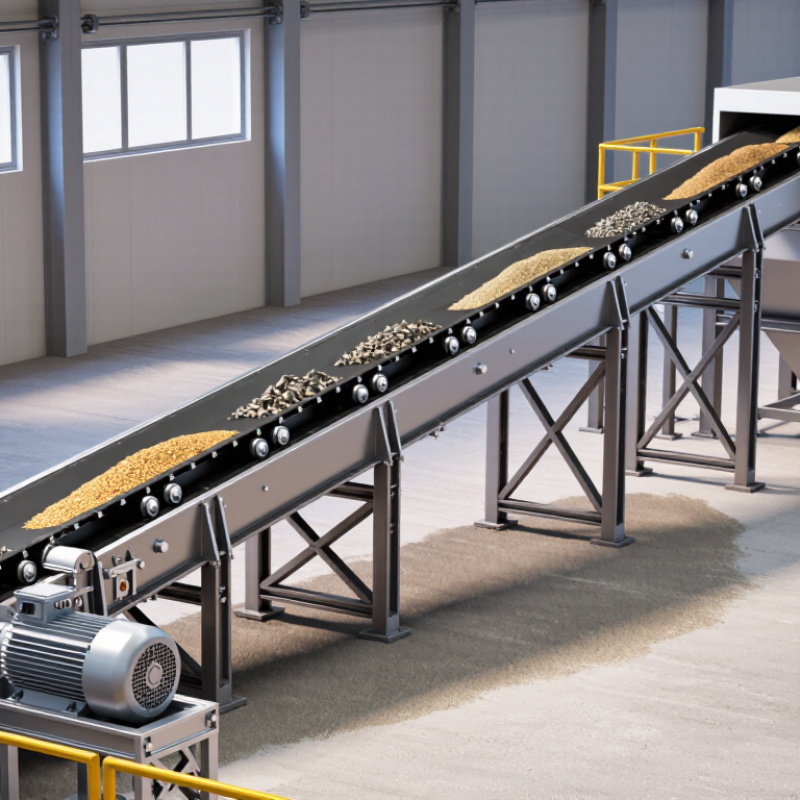
What Is the Best Inclined Belt Conveyor Design? The answer depends on material behavior, elevation, capacity, available space, and operating conditions. A design that performs well with dry grain may fail with wet sand or irregular stone. Incline angle matters, but it is not the only decision.

Dr. M. A. Alspaugh, a recognized conveyor-engineering specialist, has repeatedly emphasized a practical principle: “The belt conveyor system must be designed as a complete system, not as isolated components.” This idea guides effective Inclined Belt Conveyor Design. Belt width, pulley diameter, motor power, idler spacing, and loading conditions must work together. A small mismatch can create belt slip, material rollback, or excessive spillage.

The surface tells a story. Imagine a loaded belt climbing toward a transfer point while dust gathers beneath the return strand. If the belt lacks proper cleats or sufficient friction, material may slide backward. If the frame is too flexible, tracking problems can appear near the head pulley. These details are easy to underestimate.

Good design begins with measured evidence. Confirm the material’s moisture, lump size, bulk density, and angle of repose. Then evaluate the incline, speed, duty cycle, and maintenance access. Design for cleaning.

Not perfection.

Even experienced engineers may revise their calculations after observing real loading behavior. Field testing can reveal vibration, buildup, or uneven feeding that drawings miss. The best Inclined Belt Conveyor Design balances efficiency, safety, durability, and practical maintenance rather than chasing maximum speed.
What Is the Best Inclined Belt Conveyor Design?

Define Design Duty with CEMA Capacity Calculations and ISO 5048 Load Data

What Is the Best Inclined Belt Conveyor Design?

Define Design Duty with CEMA Capacity Calculations and ISO 5048 Load Data

An inclined belt conveyor starts with a clearly defined design duty. Record material density, lump size, moisture, temperature, belt speed, and required throughput. CEMA capacity calculations then convert these inputs into a practical belt loading rate. Belt width, trough angle, surcharge angle, and filling percentage directly affect capacity. A conveyor carrying wet ore may need more allowance than a dry, uniform material stream. Small changes matter.

ISO 5048 load data supports the mechanical side of the design. It helps evaluate belt tensions, motion resistance, lift forces, and drive power. Include the weight of the belt, rotating parts, material, and return-side buildup. The vertical lift is especially important on steep conveyors. Calculate both running and starting conditions. A drive that handles steady operation may still struggle during acceleration.

Use measured plant data whenever possible. A clean spreadsheet can still be wrong. Material may surge, spill, or cling to the belt. Skirt friction is often underestimated. Take-up travel and belt sag also deserve attention. Check the calculated effective tension against belt strength and pulley traction. Then review the result with operators and maintenance staff. Their observations can expose assumptions that standards cannot see. One overlooked transfer point may change the entire duty calculation.

Select a 15°–25° Incline for Smooth-Belt Bulk Material Conveying

What Is the Best Inclined Belt Conveyor Design?

Select a 15°–25° incline for smooth-belt bulk material conveying when steady movement matters more than maximum elevation. This range often suits dry grain, pellets, sand, and similar free-flowing materials.

A 15° incline gives the belt more grip and reduces rollback at the loading point.

Near 25°, the layout becomes shorter, but slipping and material sliding deserve closer attention.

Not every bulk material behaves the same way.

In practice, belt speed, moisture, particle size, and feed consistency control the real result. I have seen a conveyor perform well with dry granules, then struggle after rain increased the material’s weight and adhesion.

A smooth belt needs accurate loading. Feed material near the centerline, limit sudden surges, and use side skirts without pinching the belt. Keep the loading zone level or only slightly inclined. Small details matter.

Drive selection should match the incline, belt tension, and expected starting load. Install a reliable take-up system and check the belt’s wrap around the drive pulley.

A guarded return path also helps prevent spilled material from building beneath the conveyor. Test the system with the actual material before final fabrication.

A 20° design may look balanced on paper, yet laboratory assumptions can miss dust, lumps, or seasonal moisture.

Measure belt tracking and slippage during operation, then adjust speed or angle when the evidence says the design needs revision.

Size Belt Width and Speed Using CEMA’s 0.5–3.0 m/s Typical Range

An inclined belt conveyor should begin with material data, not a preferred belt size. CEMA guidance identifies 0.5–3.0 m/s as a typical operating range for many bulk conveyors (CEMA, Belt Conveyors for Bulk Materials, 7th ed.). Lower speeds suit fragile, dusty, or easily segregated materials. Higher speeds can improve throughput but increase dust, spillage, and loading impact.

Measure bulk density, moisture, lump size, and required capacity at the loading point. Then select belt width and speed together. CEMA capacity tables relate throughput to belt speed, trough angle, and material cross-sectional area. A wider belt often permits lower speed, reducing carryback and transfer-point wear. Do not assume a 1,000 mm belt is automatically safer. It may be excessive for a small feed stream.

Incline angle also changes the design. Steeper slopes reduce practical capacity and may require cleats or a stronger surface pattern. Keep the loading zone nearly level when possible. It stabilizes material before elevation begins. A field survey should check actual surge rates, not only the average rate in the specification. A 25% surge can overload an otherwise adequate conveyor. This is where many calculations become optimistic. Recheck belt tension, motor power, and starting behavior under wet conditions. CEMA tables are valuable, but they cannot replace site measurements and commissioning observations.

Add Cleats or Corrugations for Inclines Above 20°–25°

What Is the Best Inclined Belt Conveyor Design?

An inclined belt conveyor needs more than a strong motor and a steep frame. When the angle rises above 20°–25°, loose material may slide backward between belt movements. Cleats or corrugations create physical pockets that hold the load and improve forward traction. This detail becomes critical with grain, aggregates, packaged goods, and damp products.

Cleat height should match the material size and flow behavior. A small cleat may not stop rounded particles, while an oversized cleat can disturb fragile products. Corrugated belts often suit fine or sticky materials because their continuous pattern supports the load across the belt width. Spacing also matters. Wider gaps may reduce capacity, but narrow gaps can trap material during cleaning.

In practical conveyor work, loading should remain centered before the incline begins. Off-center feeding causes uneven belt tension and may push material over the sidewalls. Side skirts should seal the loading zone without rubbing heavily against the belt. Belt speed needs careful adjustment, too. Faster movement can reduce spillage in some systems, yet it may increase impact and dust. A design can look correct on paper and still perform poorly on site. I would verify the angle, moisture level, particle size, and actual feed rate before selecting the cleat pattern. Simple tests with the real material often reveal problems that calculations miss.

Specify Brakes, Take-Ups, and Guards to Meet ISO 5048 Safety Requirements

What Is the Best Inclined Belt Conveyor Design?

An inclined belt conveyor needs more than a strong frame and a steep angle. Braking, take-up control, and guarding must work together. Use ISO 5048 calculations to check belt tension, drive power, and stopping forces under loaded conditions. A gravity backstop or controlled brake can prevent rollback during power loss. The brake should stop the belt without creating a sudden shock. That shock can damage splices, pulleys, or the structure.

Take-ups maintain useful tension as the belt stretches and temperature changes. A screw take-up may suit short conveyors, while a gravity take-up can respond better to changing loads. Its travel must allow safe inspection and cleaning access. Guards should cover nip points, rotating shafts, pulleys, and return-belt hazards. Open gaps near walkways deserve special attention. A small gap can catch clothing or tools. It is easy to miss.

Tips: Test the loaded stop before commissioning. Measure stopping distance, belt drift, and brake temperature. Mark the take-up travel limit clearly. Keep emergency stops reachable from service areas. Do not assume a guard is effective because it looks substantial. In field reviews, the weakest detail is often an unprotected transition point. Weather can also change the result. Wet material increases carryback and may alter braking performance. Recheck the design after real operating trials, because calculations rarely capture every site condition.

FAQS

What information defines an inclined belt conveyor’s design duty?

Record material density, lump size, moisture, temperature, speed, and required throughput. Small changes matter. Also note surges, spillage, carryback, and seasonal material changes.

How do capacity calculations affect belt conveyor design?

Capacity calculations convert material data into a practical loading rate. Belt width, trough angle, surcharge angle, and filling percentage directly affect capacity. A clean spreadsheet may still be wrong.

What incline angle suits smooth-belt bulk material conveying?

A 15°–25° incline often suits dry grain, pellets, sand, and similar materials. Lower angles improve grip. Higher angles shorten the layout but may increase sliding and rollback.

How does moisture change inclined conveyor performance?

Moisture can increase material weight, adhesion, carryback, and belt slippage. A conveyor may handle dry granules well, then struggle after rain. That possibility deserves testing.

What mechanical data should be checked for an inclined conveyor?

Check belt tension, motion resistance, lift force, drive power, and starting conditions. Include belt weight, rotating parts, material load, and return-side buildup. Starting is often harder.

Why are brakes and take-ups important?

A brake can prevent rollback during power loss. It should stop the belt without sudden shock. Take-ups maintain useful tension as the belt stretches or temperatures change.

What guards should an inclined belt conveyor include?

Guard nip points, rotating shafts, pulleys, return-belt hazards, and walkway openings. A small gap can catch clothing or tools. A strong-looking guard is not automatically effective.

What should operators test before final commissioning?

Test the loaded stop, belt tracking, slippage, stopping distance, and brake temperature. Check take-up travel and transfer points. Real material may expose assumptions that calculations missed.

Conclusion

An effective Inclined Belt Conveyor Design begins with clearly defining the design duty, including material characteristics, required capacity, conveying distance, and elevation change. CEMA capacity calculations and ISO 5048 load data provide a practical foundation for selecting suitable operating conditions. For smooth-belt conveying of bulk materials, an incline between 15° and 25° generally offers a balance between reliable transport and controlled material flow. Belt width and speed should then be matched to the required throughput, with belt speeds commonly selected within the 0.5–3.0 m/s range.

When the incline exceeds approximately 20°–25°, cleats or corrugations may be necessary to reduce rollback and maintain consistent material movement. The design should also include properly sized brakes, take-up systems, and guarding. These components help control belt tension, prevent unwanted movement during stoppages, and improve operator protection. By combining accurate capacity calculations, appropriate incline selection, suitable belt sizing, and essential safety features, the conveyor can deliver dependable performance while meeting relevant ISO 5048 safety expectations.

Mason

Mason

Mason is a seasoned marketing professional with a deep expertise in the company's offerings and a passion for driving brand awareness. With a strong background in digital marketing strategies, he has an innate ability to connect with diverse audiences and effectively communicate product benefits.......