
In the realm of material handling, understanding Auger Conveyor Capacity is crucial for operational efficiency. Auger conveyors are widely utilized for moving bulk materials. Their design allows for smooth transport, but only if capacity calculations are accurate.
Calculating the right capacity involves various factors. These include the auger type, material characteristics, and the desired flow rate. Operating outside of recommended capacity can lead to operational inefficiencies, increased wear, and system failures. A careful analysis is essential for maintaining performance.
Professionals often overlook the complexity of these calculations. Many assume a one-size-fits-all approach. Yet, each material behaves differently. Therefore, customized calculations yield better results. Considering these details can enhance productivity and reduce unforeseen issues in the long run. Understanding and optimizing Auger Conveyor Capacity is not just beneficial; it’s essential for successful operations.
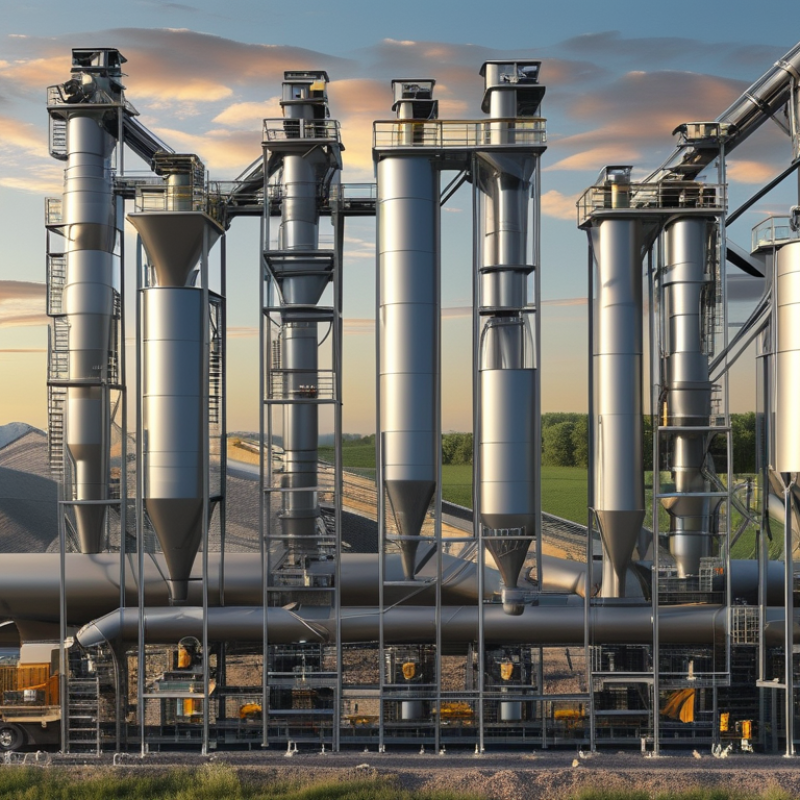
Auger conveyors play a crucial role in material handling across various industries. Their design focuses on efficiently moving bulk materials through a helical screw mechanism. The diameter of the auger, pitch of the screw, and the speed at which it operates significantly affect performance. According to the Conveyor Equipment Manufacturers Association (CEMA), the throughput of auger conveyors can vary greatly, with some systems achieving capacities over 300 tons per hour under optimal conditions.
Understanding auger conveyor functionality involves recognizing how material properties interact with design elements. For instance, the moisture content of materials can affect flow rates. A report from the American Institute of Chemical Engineers highlights that a 5% increase in moisture can reduce the capacity of an auger system by up to 20%. Additionally, wear and tear on the screw from highly abrasive materials can compromise efficiency over time. Regular inspection and maintenance practices are essential to ensure longevity and optimal performance.
Moreover, improper installation can lead to significant operational inefficiencies. Alignment issues create unnecessary strain, impacting both capacity and safety. Insights from field studies show that misalignment can decrease throughput by nearly 30%. Operators must regularly assess the alignment of components to maintain the conveyor's effectiveness and minimize downtime. Overall, while auger conveyors offer versatility, their design and operational conditions require careful attention to maximize efficiency and reliability.
When calculating auger conveyor capacity, several key factors come into play. The screw diameter directly influences the amount of material that can be moved at a time. A larger diameter allows for greater volume but can also increase power requirements. The length of the auger affects the friction and the potential for material compaction. Longer conveyors may require more energy, impacting efficiency.
The material characteristics are crucial as well. Different materials have varied densities, flowability, and abrasive qualities. For instance, dry grains flow differently than wet slurries. This variability can complicate capacity calculations and may require adjustment in operational parameters. The angle of the auger also plays a role in how efficiently materials are transported. A steep incline can slow down the flow, necessitating a review of speed and power settings.
Moreover, wear and tear over time can alter the efficiency of an auger conveyor. Regular maintenance helps ensure consistent performance, yet factors like material build-up and wear on the screws can diminish capacity. It's essential to monitor these aspects to maintain effective operations. The interplay of these variables can lead to complex scenarios that demand careful consideration and measurement for accurate capacity assessments.
Calculating the capacity of an auger conveyor is essential for optimizing operations. Start by determining the screw diameter and pitch. These dimensions directly impact the flow rate. It's crucial to measure the effective length of the auger. This will help in establishing how much material can be transported over a specific distance.
Next, consider the material's bulk density. Different materials have varying densities, which influences the capacity calculations. Take time to research the density of the material you are working with. Flow rate can vary significantly with moisture content and particle size. The right measurements are vital to avoid underperformance.
Lastly, the speed of the auger plays a major role. A slow-moving conveyor may not keep up with demand, while a fast one could lead to wear. It's a balancing act. Regularly assess performance and adjust parameters as necessary. This iterative process ensures you are continually improving efficiency. Finding the right balance may take time and reflection, but it's worth the effort.
Optimizing the performance of auger conveyors is essential for enhancing operational efficiency. Research indicates that when properly calibrated, auger conveyors can achieve an efficiency rate of 70% to 90%. This range depends on factors such as the material being transported, the angle of inclination, and the design of the auger itself. Understanding these variables helps in determining the appropriate capacity for specific operations.
Operating conditions can significantly affect performance. For instance, when transporting bulk materials with high moisture content, operational speed may need to be reduced to prevent clogging. A study by the Bulk Solids Technology Association noted that around 30% of downtime in conveyor operations is attributed to improper material handling. This highlights the importance of regularly assessing the auger design and making necessary adjustments to improve flow and reduce energy consumption.
Maintaining an optimal filling level in the auger is also crucial. If the auger is underfilled, it can lead to increased wear and energy usage. Conversely, overfilling can result in material spillage and inefficiencies. According to industry data, achieving a consistent filling level can enhance throughput by up to 25%. Regular monitoring and adjustments based on real-time data can help in fine-tuning the performance of auger conveyors.
Managing auger conveyor capacity involves various challenges. One common issue is accurately measuring material density. Inconsistent densities can lead to miscalculations. Regular calibration of measuring equipment helps address this problem, ensuring accurate data collection. Operators should also invest in training to improve understanding of the factors affecting capacity.
Another challenge lies in the wear and tear of components. Over time, auger flights can become worn, reducing efficiency. It’s crucial to establish a maintenance schedule that includes inspections of the auger for signs of wear. This not only prolongs equipment life but also maintains optimal capacity. Reflection on maintenance practices may reveal gaps in current protocols.
Finally, varying material flow can disrupt operation. Augers may struggle with bulk material that has different flow characteristics. To combat this, adjustments in the conveyor speed can smooth transitions. Experimenting with different settings might reveal the most efficient flow rates. Identifying the ideal conditions boosts overall performance, although not every attempt may yield perfect results. Embracing a mindset of continual improvement is essential for success in managing auger conveyor capacity.
: Auger conveyors move bulk materials efficiently using a helical screw mechanism.
Factors like moisture content affect flow rates. Higher moisture can reduce capacity significantly.
Misalignment can strain components, decreasing throughput by almost 30%. Regular checks are essential.
Regular calibration of measuring equipment helps ensure precise data collection for capacity management.
Worn flights can reduce efficiency. Inspecting for wear is crucial for prolonging equipment life.
Different flow characteristics may disrupt the process. Adjusting conveyor speed can help manage flow effectively.
Improved understanding of capacity factors leads to better management and fewer operational errors.
Establish a regular maintenance schedule and reflect on current practices to identify areas for improvement.
Experimenting with different conveyor settings may help establish the most efficient flow rates.
Embracing continual improvement helps operators adapt and find better solutions over time.
This article provides a comprehensive overview of how to calculate Auger Conveyor Capacity for efficient operations. It begins by delving into the design and functionality of auger conveyors, which are essential for transporting bulk materials. Understanding the engineering behind these systems is crucial for accurate capacity calculations. The article identifies key factors that impact auger conveyor capacity, such as the screw diameter, pitch, and material properties.
A step-by-step guide outlines the calculation process, allowing operators to determine the optimal capacity for their specific needs. Additionally, the article discusses methods to optimize auger conveyor performance, enhancing operational efficiency and productivity. Finally, it addresses common challenges encountered in managing auger conveyor capacity and offers practical solutions to mitigate these issues. Overall, this resource serves as a valuable tool for those looking to maximize their auger conveyor capacity.
