
China Top 10 Auger Conveyor Cost Guide for Global Buyers

Time:2026-09-15 Author:Mason
0%

Buying an auger conveyor from China can reduce equipment costs, but the lowest quotation is rarely the complete answer. This China Top 10 Auger Conveyor Cost Guide for Global Buyers examines pricing factors with practical purchasing experience in mind. It considers machine design, material quality, production capacity, and export requirements.

Auger Conveyor Cost usually depends on screw diameter, conveyor length, flight configuration, motor power, and construction material. A compact carbon-steel unit may suit dry grain, while stainless steel is more suitable for food, chemical, or moisture-sensitive applications. For example, a 3-meter conveyor with a covered trough needs different specifications from a 12-meter system feeding a mixer. Small details matter.

Supplier location, customization, packaging, and delivery terms also influence the final budget. The equipment price may exclude controls, spare parts, installation guidance, inland transport, or ocean freight. Ask for a detailed quotation. Vague offers deserve careful review.

This guide compares ten representative Chinese suppliers and explains how buyers can evaluate their offers. It highlights factory experience, technical documentation, testing procedures, warranty terms, and after-sales communication. Certifications should be checked against the destination market, not accepted merely because they appear in a brochure.

Some estimates remain imperfect. Actual prices change with steel costs, exchange rates, order volume, and engineering revisions. That uncertainty should be acknowledged. A sensible buyer compares total ownership cost, not only the initial invoice. Request drawings, load data, motor specifications, and a video test before making a final decision. A cheaper conveyor can become expensive when it stops production.
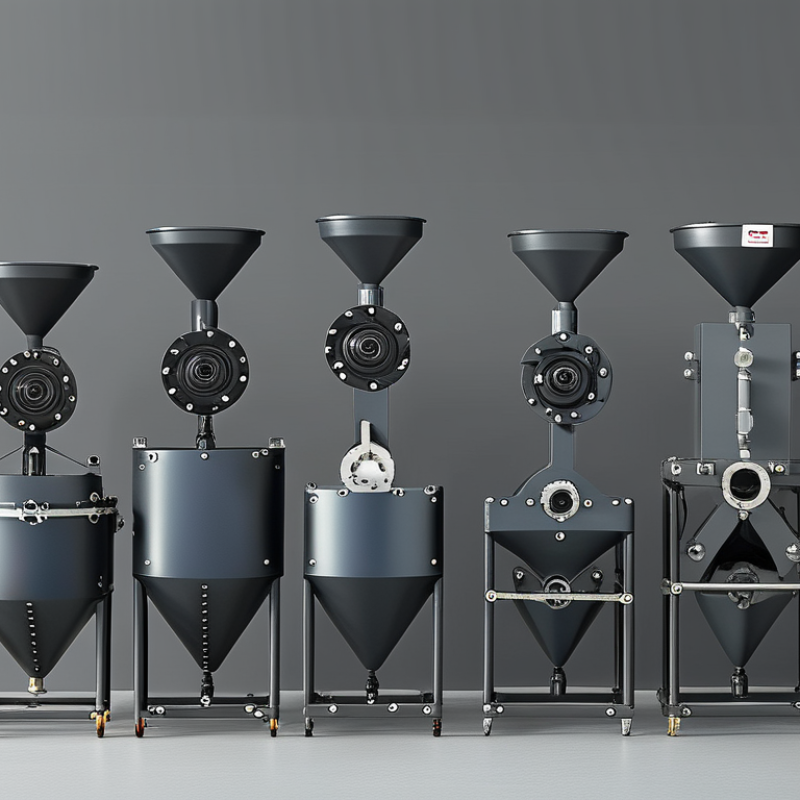
China Top 10 Auger Conveyor Cost Guide for Global Buyers

Auger Conveyor Types and Their Typical Uses in China

China’s auger conveyors serve grain, animal feed, cement, chemicals, food ingredients, and wastewater plants. Horizontal screw conveyors move materials steadily across short distances. Inclined models lift powders into hoppers, mixers, or packing lines. Flexible screw conveyors suit light powders and awkward plant layouts. Shaftless designs handle sticky sludge and fibrous waste with fewer blockage points.

China’s National Bureau of Statistics reported 706.5 million tonnes of grain production in 2024. This volume explains the strong demand for enclosed grain and feed conveyors. The China Feed Industry Annual Report recorded more than 320 million tonnes of industrial feed output in 2023. Feed mills commonly use stainless or painted-steel screws for dosing, transfer, and discharge. CEMA engineering guidance also links screw diameter, speed, pitch, and filling rate to conveying capacity. Small errors matter.

Typical China quotations range from about USD 1,500 for a basic horizontal unit to over USD 20,000 for customized stainless systems. Inclined conveyors often cost more because of stronger drives, supports, and safety guarding. A food processor may need polished contact surfaces and washdown-friendly seals. A cement plant usually prioritizes abrasion resistance instead. I have seen buyers specify motor power before checking material density. That choice can distort the budget. Reported prices are only starting points; length, duty cycle, controls, inspection, and export packing can change the final figure considerably.

Key Factors That Determine Auger Conveyor Prices

China Top 10 Auger Conveyor Cost Guide for Global Buyers

Auger conveyor prices depend on more than the Chinese factory quotation. Diameter, conveyor length, throughput, incline, and material density shape the basic cost. A 100 mm carbon-steel unit for dry grain may cost far less than a 300 mm stainless-steel unit handling abrasive powder. The difference can be substantial.

CEMA’s Screw Conveyors for Bulk Materials identifies capacity, screw speed, flight design, and loading percentage as key engineering variables. These factors directly affect motor size and gearbox selection. Grand View Research valued the global conveyor systems market at approximately US$12 billion in 2023, with continued growth expected through the decade. This broader figure shows market demand, but it does not provide a reliable auger price by itself.

Material grade remains critical. Stainless steel, polished surfaces, food-grade seals, dust protection, and corrosion-resistant coatings raise manufacturing costs. Custom hoppers, variable-frequency drives, sensors, and control cabinets add further expense. Installation, export packaging, inland transport, and spare flights are often excluded from initial quotes. That creates surprises.

A realistic comparison should request capacity in tonnes per hour, operating hours, screw speed, motor efficiency, and required certificates. ISO 9001 production controls can support consistency, but certification alone does not prove performance. Buyers should inspect drawings, weld quality, test records, and warranty terms. The cheapest offer may simply omit important components. That assumption deserves careful review.

Top 10 Chinese Auger Conveyor Cost Ranges Compared

China Top 10 Auger Conveyor Cost Guide for Global Buyers

Chinese auger conveyor prices vary by material, capacity, length, and control requirements. The ranges below reflect typical FOB China quotations, excluding freight, tax, and installation.

Compact flexible units commonly cost USD 800–2,500.

Horizontal carbon-steel conveyors range from USD 1,200–3,800.

Stainless-steel sanitary models cost about USD 3,000–8,500.

Tubular enclosed conveyors generally reach USD 2,000–7,000.

Vertical auger conveyors are often priced at USD 3,500–10,000.

Shaftless designs range from USD 4,000–12,000.

Heavy-duty units for abrasive materials may cost USD 6,000–18,000.

Dosing conveyors usually fall between USD 2,500–9,000.

Cooling or heating conveyors can reach USD 8,000–25,000.

Complete conveyor lines, including feeders and controls, commonly range from USD 12,000–35,000.

Prices rise quickly with longer flights, variable-speed drives, explosion-resistant electrical components, or automated weighing.

These estimates align with cost drivers identified in the Conveyor System Market report by Fortune Business Insights, which valued the global market at approximately USD 10.7 billion in 2023. CEMA engineering guidance also emphasizes capacity, loading, speed, and material density when sizing screw conveyors.

In practice, a low quotation may exclude motors, guards, testing, or spare flights. That detail is easy to miss.

Buyers should request a line-by-line quotation, dimensional drawings, material certificates, and factory acceptance testing.

Some ranges remain imperfect because supplier quotations change with steel prices and exchange rates.

How to Evaluate Suppliers, Quality, and Customization Options

China Top 10 Auger Conveyor Cost Guide for Global Buyers

A reliable supplier should explain cost differences with measurable details. Ask for a quotation covering screw diameter, length, capacity, motor power, and delivery terms. Request material certificates, inspection records, and a clear warranty. Experienced suppliers can also explain torque limits and wear points. A factory video is useful, but it cannot replace an on-site audit or independent inspection. I once underestimated the value of checking weld quality. The machine looked polished, yet several internal joints needed correction.

Tips: Compare total landed cost, not only the factory price. Include packaging, freight, installation, spare parts, taxes, and possible redesign fees. Ask for a sample test using material similar to your own. Record moisture, particle size, temperature, and required throughput. Small details matter.

Customization should begin with a technical drawing and process description. Confirm inlet and outlet positions, screw pitch, casing thickness, sealing method, cleaning access, and control requirements. For abrasive materials, request suitable wear protection and realistic service intervals. For food or sensitive applications, verify surface finish and cleanability. Do not accept vague promises about capacity. A supplier should provide test conditions and expected performance. Some buyers focus too heavily on initial savings. That choice can create higher maintenance costs later, especially when dimensions or motor ratings are guessed.

China Top 10 Auger Conveyor Cost Guide for Global Buyers - How to Evaluate Suppliers, Quality, and Customization Options

The following figures are indicative China-origin manufacturing ranges for standard auger conveyors. Prices are shown in USD on an ex-works basis and normally exclude freight, taxes, installation, commissioning, and spare parts. Actual quotations vary according to material, throughput, duty cycle, certification, and customization.

Rank Typical Application Conveyor Type Typical Capacity Length / Diameter Construction Indicative Price Range Typical Lead Time Common Customization Key Quality Checks
1 Light-duty powder and grain transfer U-trough screw conveyor 1–8 t/h 2–6 m / 100–200 mm Carbon steel casing; painted or powder-coated finish US$1,200–3,500 15–30 days Inlet and outlet position, variable-speed drive, covers Flighting concentricity, shaft straightness, weld quality, motor protection
2 Food and ingredient conveying Stainless-steel tubular screw conveyor 1–10 t/h 2–8 m / 100–250 mm 304 stainless steel; sanitary product-contact surfaces US$2,500–7,000 20–40 days Quick-release covers, polished surfaces, washdown design Material certificates, surface finish, hygienic welds, seal integrity
3 Cement, ash, and dry powder handling Tubular screw conveyor with dust-tight seals 5–30 t/h 3–12 m / 160–315 mm Heavy carbon steel; abrasion-resistant liners where required US$3,500–10,000 25–45 days Flexible connectors, inspection ports, dust extraction points Casing thickness, bearing temperature, leakage test, wear protection
4 Wet sludge and wastewater solids Shafted or shaftless screw conveyor 2–20 t/h 3–15 m / 200–500 mm 304 or 316 stainless steel; trough with drainage provisions US$5,000–16,000 30–55 days Spray bars, wear liners, covers, compactors, variable-speed control Corrosion resistance, liner thickness, drainage, seal and torque testing
5 Biomass, wood chips, and agricultural residues Heavy-duty screw conveyor 5–40 t/h 4–18 m / 250–500 mm Carbon steel; reinforced flights and replaceable wear components US$6,000–20,000 30–60 days Explosion-risk options, anti-bridging inlet, larger drive, liners Drive torque margin, flight welds, guards, overload protection, balance
6 Elevated or inclined material transfer Inclined screw conveyor 2–25 t/h 3–12 m / 160–400 mm Carbon steel or stainless steel; enclosed tubular body US$4,000–13,000 25–50 days Inclination angle, support frame, anti-reverse device, chutes Capacity derating calculation, support rigidity, backflow prevention
7 Granules, pellets, and fertilizer Variable-speed dosing screw conveyor 0.1–15 t/h 1–8 m / 75–250 mm Carbon steel or stainless steel; precision metering configuration US$2,000–9,000 20–45 days Load-cell interface, variable-frequency drive, agitator, calibration port Feeding accuracy, speed control, inlet consistency, calibration records
8 Hot ash and high-temperature solids High-temperature screw conveyor 2–20 t/h 3–15 m / 200–500 mm Heat-resistant steel; insulated or water-cooled sections if required US$8,000–28,000 40–75 days Cooling jacket, expansion joints, high-temperature bearings, sensors Thermal expansion allowance, material grade, bearing protection, hot-load test
9 Chemical and corrosive powder conveying Corrosion-resistant screw conveyor 1–15 t/h 2–12 m / 100–400 mm 316 stainless steel, duplex steel, or lined carbon steel US$7,000–25,000 35–70 days Special seals, protective liners, closed-loop feeding, corrosion monitoring Positive material identification, weld passivation, chemical compatibility
10 Integrated automated production line Custom multi-screw conveying system 5–100 t/h Project-specific / 250–800 mm Carbon steel, stainless steel, or mixed construction US$20,000–100,000+ 60–120 days PLC control, sensors, weighing, interlocks, platforms, integrated chutes Design calculations, factory acceptance test, wiring documentation, spare-parts list

Supplier Evaluation Criteria

Evaluation Dimension Recommended Verification Typical Importance
Capacity and design basis Request calculations using bulk density, moisture, particle size, inclination, duty cycle, and required throughput. Very high
Material and corrosion resistance Confirm material grade, thickness, liner type, weld procedure, and material certificates. Very high
Drive and bearing selection Check motor rating, service factor, gearbox torque, bearing arrangement, lubrication, and overload protection. High
Manufacturing quality Review dimensional inspection, shaft runout, flight pitch, weld inspection, coating thickness, and factory test records. High
Customization and integration Obtain approved drawings for interfaces, chutes, supports, controls, sensors, safety guards, and maintenance access. High
Export readiness Confirm electrical standards, documentation language, packing method, shipping dimensions, and applicable certification requirements. Medium to high
After-sales support Verify warranty terms, response time, spare-parts availability, remote commissioning, and troubleshooting procedures. Medium to high

Cost note: Stainless-steel construction, abrasion-resistant liners, explosion-protection measures, high-temperature service, load cells, automation, special coatings, and unusual layouts can increase the equipment price substantially. Buyers should compare complete delivered scope rather than the base conveyor price alone.

Shipping, Installation, and Total Purchase Costs for Global Buyers

China Top 10 Auger Conveyor Cost Guide for Global Buyers

Shipping can reshape an auger conveyor budget before production begins. UNCTAD’s Review of Maritime Transport 2024 reported that global seaborne trade grew 2.4% in 2023. This growth has increased pressure on vessel space, port handling, and delivery schedules. Buyers should request freight, insurance, export packing, customs clearance, and destination fees separately. Port fees vary.

A practical purchase model includes equipment, inland transport, ocean freight, import duties, installation, testing, and spare parts. Industry estimating databases commonly place installation and commissioning near 10–25% of equipment value. Complex layouts may exceed this range. Concrete foundations, lifting equipment, electrical work, and local labor can change the final invoice significantly. A 10-meter conveyor is not automatically cheaper than two shorter units if site access is poor.

The World Bank Logistics Performance Index 2023 scored logistics systems on a 1–5 scale, with leading economies reaching above 4.0. Buyers in lower-scoring logistics markets should allow extra time for customs and inland delivery. A useful example is a 20,000 USD conveyor with 4,000 USD freight and handling, plus 3,000 USD installation. Its real pre-tax cost is already 27,000 USD. Duties and local taxes remain outside that figure. A neat spreadsheet can still be wrong. Require a landed-cost quotation, installation drawings, delivery insurance, and written acceptance criteria. Keep contingency. Ten percent may be insufficient for remote sites.

China Top 10 Auger Conveyor Cost Guide for Global Buyers

Estimated purchase-cost benchmarks in USD for standard China-made auger conveyors, including equipment, international shipping, and installation. Actual prices vary by length, diameter, material, motor power, automation, destination, and local labor rates.

Planning benchmark: equipment prices represent typical standard configurations; shipping reflects ocean freight and export handling; installation covers basic assembly and commissioning but excludes civil works, taxes, and electrical infrastructure.

FAQS

What should a supplier’s quotation include?

It should list screw diameter, conveyor length, capacity, motor power, materials, packaging, and delivery terms.

Which supplier documents should buyers request?

Request material certificates, inspection records, warranty terms, torque limits, and expected wear points.

How can buyers check conveyor quality before purchase?

Request a sample test using material similar to yours.

What details should customization cover?

Confirm inlet and outlet positions, screw pitch, casing thickness, seals, cleaning access, and control requirements.

How should abrasive or sensitive materials affect the design?

Abrasive materials may require wear protection and realistic service intervals.

How should buyers evaluate conveyor capacity claims?

Ask for test conditions, material details, operating speed, and expected performance.

What costs belong in the total purchase budget?

Include equipment, inland transport, freight, insurance, customs, duties, installation, testing, spare parts, and taxes.

How much can installation affect the final cost?

Installation and commissioning often add about 10–25% of equipment value.

Can two short conveyors cost less than one long conveyor?

Not always. Poor site access may make two units more expensive.

What should a landed-cost quotation contain?

Request separate freight, insurance, export packing, customs clearance, destination fees, installation drawings, and acceptance criteria.

Conclusion

This guide explains the main auger conveyor types manufactured in China and their typical applications in agriculture, food processing, chemical handling, construction materials, and general bulk-material transport. It compares common conveyor configurations, including horizontal, inclined, flexible, tubular, and screw systems, while showing how capacity, conveying distance, material characteristics, motor power, construction materials, automation, and customization influence Auger Conveyor Cost. Buyers can use these factors to understand why similar-looking equipment may have significantly different prices.

The guide also presents ten practical Chinese auger conveyor cost ranges for comparison, helping global buyers create realistic budgets. It outlines how to evaluate suppliers through technical specifications, manufacturing consistency, quality controls, testing procedures, warranty terms, and communication support. In addition to the equipment price, buyers should consider packaging, inland transport, international shipping, insurance, import duties, installation, spare parts, commissioning, and after-sales service. Reviewing the complete purchase cost rather than the quoted machine price alone can support better supplier selection and reduce unexpected expenses.

Mason

Mason

Mason is a seasoned marketing professional with a deep expertise in the company's offerings and a passion for driving brand awareness. With a strong background in digital marketing strategies, he has an innate ability to connect with diverse audiences and effectively communicate product benefits.......