China Top Inclined Belt Conveyor Design PDF Guide?

Time:2026-11-15 Author:Liam
0%

An inclined belt conveyor must move material uphill without excessive rollback, spillage, or drive strain. Small design choices matter. A few degrees of added incline can change belt selection, loading behavior, and required power. That is why a practical guide should connect calculations to the actual material, route, and operating conditions.

CEMA’s Belt Conveyors for Bulk Materials, 7th edition, offers established methods for evaluating belt capacity, resistance, and drive requirements. ISO 5048:1989 describes calculation methods for operating power and tensile forces in belt conveyors. These references provide a sound starting point, but they cannot replace site measurements. A damp, fine powder behaves differently from dry gravel; a transfer chute that looks adequate on paper may still cause carryback. The Inclined Belt Conveyor Design Pdf should therefore explain assumptions alongside formulas, including material density, belt speed, incline angle, and loading-point details. Give readers practical checkpoints: verify belt tension, assess backstop needs, and inspect how material lands on the belt. Simple, but often overlooked. China’s manufacturing base offers many conveyor configurations, yet supplier specifications should be checked against recognized design methods and the conditions at the installation site. One limitation deserves attention: a clean calculation is not proof of reliable operation. Real material tests and commissioning observations may reveal problems that a spreadsheet misses.
China Top Inclined Belt Conveyor Design PDF Guide?

What Is an Inclined Belt Conveyor and How Does It Work?

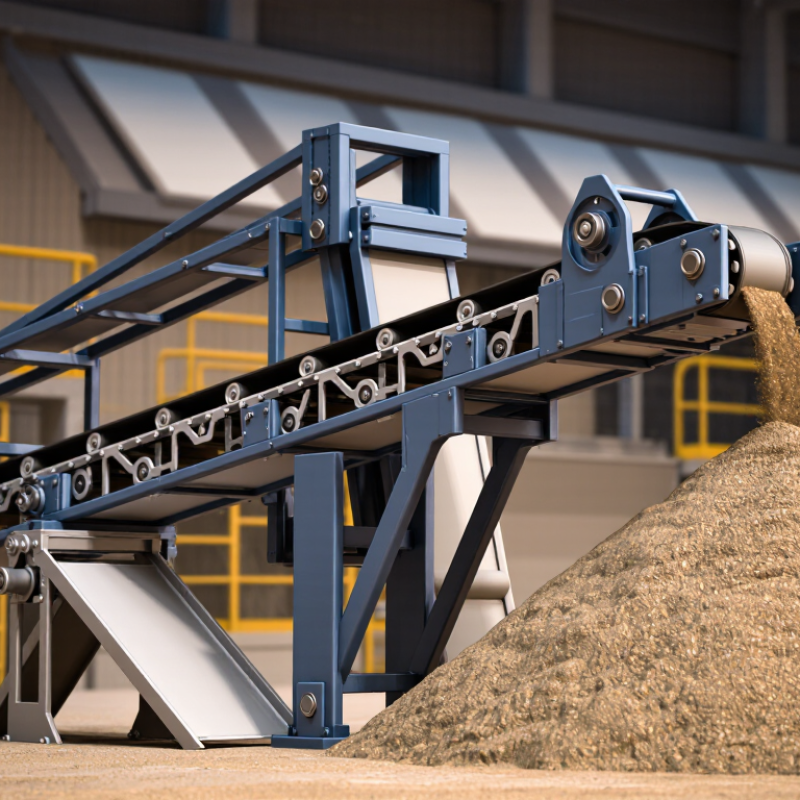
An inclined belt conveyor moves material between different elevations using a continuous belt supported by rollers or a slider bed. A drive pulley turns the belt, while a tail pulley guides it back around the conveyor frame. Material is loaded near the lower end and carried upward in a steady stream. That is the idea. In practice, the belt’s grip and the incline angle determine whether material stays in place or slides backward.

Cleats or a textured belt can improve traction, especially when conveying damp soil, grain, or small stones. Side guards help contain material, while a properly sized motor handles the load and operating speed. The belt returns beneath the frame, ready for another pass. Small details matter. A design guide should account for material weight, particle size, moisture, loading rate, and available space. Excessive incline can cause rollback or spillage; too much belt tension can increase wear. The neat diagram is not the whole story: real loads vary, and a dusty transfer point may behave differently from a clean test setup. Engineers should verify capacity, guarding, belt tracking, and access for maintenance before selecting a system.

Which Components Make Up an Inclined Belt Conveyor System?

An inclined belt conveyor uses several connected components to move material between different elevations. The belt carries the load, while a drive pulley and motor provide motion. A head pulley guides the belt at the discharge end; a tail pulley redirects it near the loading point. Rollers, or idlers, support the belt and reduce sag along the route. The frame holds these parts in alignment. Small alignment errors can cause edge wear, so installation checks matter.

Inclined systems also need suitable belt tension and traction. A take-up device helps maintain tension as the belt stretches or operating conditions change. Cleats or sidewalls may help retain loose material on steeper routes, but their design depends on the product and incline. Skirting around the loading zone limits spillage, while guards cover moving parts. A scraper can remove material clinging to the return belt. These details are easy to overlook. Even a well-sized conveyor may need adjustment after real material is tested.

Tips: Check belt tracking under load, not only while empty. Inspect pulley lagging, idlers, and transfer points for wear. Keep a record of spillage and unusual noise; small clues often reveal a developing problem.

How Do Incline, Load, and Belt Speed Shape Conveyor Design?

Incline, load, and belt speed must be considered together when designing an inclined belt conveyor. A steeper incline increases the force pulling material back down the belt. Fine, dry material may slip sooner than coarse, rough pieces. Measure the actual product and inspect its behavior on a short test section. Small changes matter.

Load is more than the average weight per hour. Engineers should check peak loading, uneven distribution, and the weight of material already on the belt during startup. A loaded restart can demand more torque than steady operation. Belt width and support spacing also affect stability, especially when heavy material lands near one side.

Belt speed sets capacity, but faster is not always better. It can increase spillage at the loading point and make transfers harder to control. Match speed to the required throughput, material size, and chute geometry. Then verify motor power, belt tension, and grip for the chosen incline. Measure it twice. A design PDF is a useful reference, not a substitute for site measurements. Real material can behave differently than expected, so test assumptions before finalizing the layout.

How to Select an Inclined Belt Conveyor Manufacturer in China

Choosing an inclined belt conveyor manufacturer in China starts with the material, not the catalogue. Share the required capacity, lift height, belt length, incline angle, and operating hours. Describe the material’s moisture, particle size, and abrasiveness. A damp load may slip on a smooth belt, while sharp pieces can accelerate wear. Ask the supplier to explain its belt and cleat choice against these conditions. Small details matter.

Check the engineering behind the quotation. Request a layout drawing, drive-power calculation, belt-speed range, and component specifications. ISO 5048 provides methods for calculating the operating power and tensile forces of belt conveyors; it is a useful reference, not proof that a design suits your site. Ask how the proposed system handles startup under load, belt tracking, guarding, and emergency stops. Ask for proof. A short material trial can reveal problems that a polished PDF cannot.

Market growth is not a quality guarantee, but it makes careful screening worthwhile. Fortune Business Insights’ Conveyor System Market report estimated the market at USD 10.31 billion in 2023 and projected USD 15.60 billion by 2032. Treat that as context, not a purchasing reason. Review comparable project records, factory inspection procedures, spare-parts lead times, and commissioning support. A quote can look complete while leaving installation limits unclear. I would clarify those limits in writing, even if it adds time.

What to Check in an Inclined Belt Conveyor Design PDF Guide?

China Top Inclined Belt Conveyor Design PDF Guide?

A useful inclined belt conveyor design PDF should state the material, capacity, belt speed, and conveyor angle. Check that its calculations include the material’s bulk density, moisture, lump size, and likely surges. These details affect loading and rollback risk. The drawing should show the drive, take-up, pulleys, loading chute, skirt boards, and belt-cleaning equipment. A clean drawing can still hide a weak assumption.

Look for calculations covering belt tension, drive power, pulley traction, and starting conditions—not just steady operation. The CEMA Belt Conveyors for Bulk Materials handbook is a recognized engineering reference for conveyor design methods. Also check whether the guide explains guarding, emergency stops, inspection access, and maintenance clearances. The International Energy Agency’s 2011 report on electric motor-driven systems estimates they use about 46% of global electricity. That figure is not conveyor-specific, but it shows why accurate motor selection and efficient operation matter. I would question any PDF that gives one motor size without explaining its assumptions.

Tips: Ask for the design basis and calculation sheets. Check the incline against the material’s tendency to slide. Confirm belt speed and capacity together. Look for access around the tail pulley and take-up. If the guide omits operating conditions, the design may need another review. Small omission, big headache.

FAQS

What are the main parts of an inclined belt conveyor?

The belt carries material. A motor and drive pulley move it. Head and tail pulleys guide its path, while idlers support it.

Why does belt alignment matter?

Small alignment errors can wear the belt edges. Check tracking while the conveyor carries material, not only when it is empty.

What does a take-up device do?

It maintains belt tension as the belt stretches or operating conditions change. A loose belt may lose traction.

When are cleats or sidewalls useful?

They can help keep loose material on steeper routes. Their design should match the product and incline. One choice will not suit every load.

What should a conveyor design guide include?

It should state the material, capacity, belt speed, and incline angle. Drawings should show pulleys, the drive, loading chute, take-up, and cleaning equipment.

Which material details affect conveyor design?

Bulk density, moisture, lump size, and sudden surges can change loading and rollback risk. A dry sample may not tell the whole story.

What calculations should a design guide explain?

Look for belt tension, drive power, pulley traction, and starting conditions. One motor size without clear assumptions deserves another review.

Which safety and maintenance details should be shown?

Check for guards, emergency stops, inspection access, and maintenance clearances. Access near the tail pulley matters.

What signs can reveal developing conveyor problems?

Watch for unusual noise, spillage, worn idlers, and damaged pulley lagging. Keep simple records. Small clues matter.

Conclusion

An inclined belt conveyor moves materials between different elevations by carrying them on a continuously circulating belt supported by rollers and driven by a motor. Its main components typically include the belt, drive unit, pulleys, rollers, frame, tensioning device, and safety features. Together, these parts must be selected and arranged to suit the material being handled and the operating environment.

A reliable design depends on balancing the conveyor’s incline, load, and belt speed. Steeper angles may require a belt with greater grip or features that help prevent material from slipping, while heavier loads call for suitable belt strength and structural support. When selecting a manufacturer in China, compare engineering experience, customization options, quality controls, and after-sales support. An Inclined Belt Conveyor Design Pdf can help buyers review system layouts, specifications, capacity estimates, installation requirements, and maintenance guidance before making a decision.

Liam

Liam

Liam is a dedicated marketing professional with a profound expertise in the industry, where he excels at highlighting the unique advantages of our core products. With a keen understanding of market trends and consumer needs, Liam frequently updates our company’s professional blog, providing......