
7 Tips for Inclined Belt Conveyor Power Calculation

Time:2026-11-01 Author:Amelia
0%

Inclined Belt Conveyor Power Calculation is more than a formula exercise. A rising belt must lift material, overcome friction, and handle changing load conditions. A small angle change can affect the required power. So can a damp belt, a longer route, or a heavier-than-expected feed.

Conveyor specialist R. Todd Swinderman is known for practical guidance on conveyor design. A useful paraphrase of that engineering mindset—not a verified direct quotation—is: “Calculate for the conveyor you will operate, not just the one shown on paper.” That distinction matters. A spreadsheet may assume steady loading, while the actual belt receives uneven batches and runs through dusty transfer points. Details count.

This guide presents seven tips for making power estimates more useful, from checking incline and material load to accounting for resistance and drive efficiency. It also highlights assumptions worth revisiting before equipment is selected. Be precise, but stay realistic. No calculation captures every site condition. Measure what you can, document what you cannot, and treat the result as an engineering estimate that needs review against real operating data.
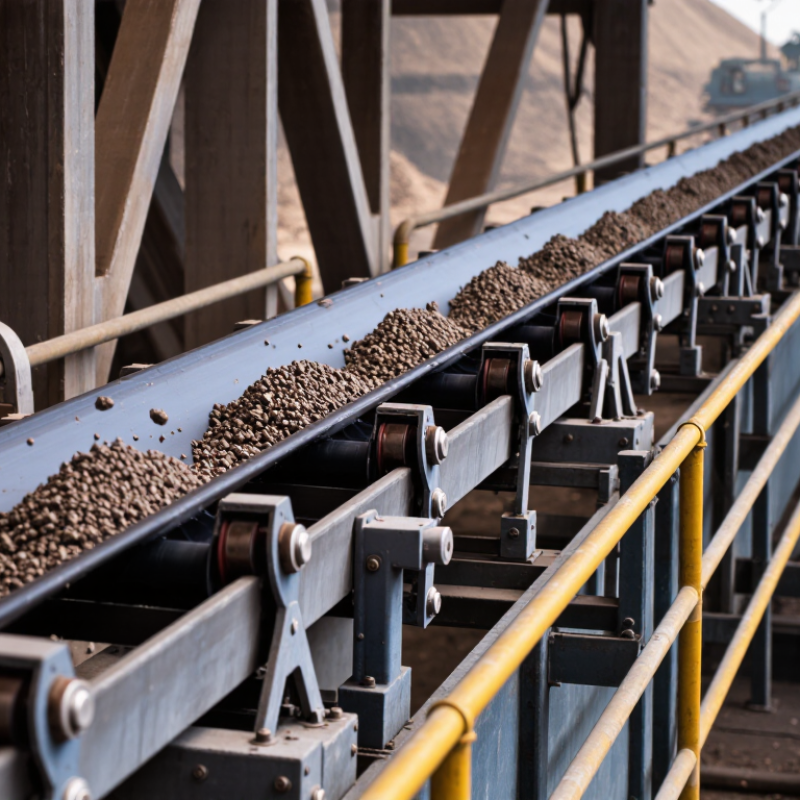
7 Tips for Inclined Belt Conveyor Power Calculation

Understanding Inclined Belt Conveyor Power Requirements

7 Tips for Inclined Belt Conveyor Power Calculation
Understanding Inclined Belt Conveyor Power Requirements

Inclined conveyor power depends on more than belt speed. The key question is how much material must be lifted, and how high. For a steady load, estimate lifting power with mass flow rate × 9.81 × vertical lift, then divide by system efficiency. Convert watts to kilowatts. Use vertical height, not the belt’s sloping length. If the conveyor rises 4 metres over a 10-metre belt, the lift is 4 metres. That matters.

Then account for belt weight, idler and pulley resistance, material-to-belt friction, and drive losses. Check the actual incline angle, belt speed, bulk density, and tonnes per hour; small errors in these inputs can noticeably change the result. Startup may require more torque than steady operation, especially with a loaded belt. Measure it twice. A practical calculation should also consider carryback, skirt friction, and uneven loading. These details are easy to miss in a tidy spreadsheet. Compare the estimate with manufacturer-neutral test data or measurements from a similar conveyor, and ask a qualified conveyor engineer to review unusual duty cycles. Leave an appropriate design margin, but do not use an oversized motor to hide uncertain assumptions. Real material flow is rarely perfectly steady.

7 Tips for Inclined Belt Conveyor Power Calculation: Understanding Power Requirements

This illustrative comparison assumes a material flow rate of 100 tonnes per hour and a 50 m conveyor path. It shows the ideal power needed to lift the material only, calculated as mass flow rate × gravity × vertical lift. Actual drive power is higher because belt and idler resistance, friction, drivetrain efficiency, and starting conditions must also be considered.

Gathering Conveyor and Material Data for the Calculation

Inclined belt conveyor power estimates begin with measured inputs, not a guessed motor size. Record conveyor length, lift height, belt width, operating speed, and the angle between the belt and horizontal. Measure the vertical rise directly; a small error here changes the power needed to lift the load. Note whether the conveyor runs continuously, starts under load, or sees frequent stops. Those details affect the operating conditions used in the calculation.

Then characterize the material. Weigh a known-volume sample to estimate bulk density, and record moisture, temperature, lump size, and expected hourly throughput. CEMA’s Belt Conveyors for Bulk Materials, 7th edition, provides material-property tables, including density and surcharge angle; use values suited to the actual material, not a loosely similar one. ISO 5048:2015 sets out conveyor resistance and power calculation methods, making consistent input data essential. Keep the source and date beside each value. Dusty samples can mislead. So can a partly filled bucket. Messy data happens, and it deserves another check. If the material varies by shift, collect several samples and calculate with a realistic operating value, then verify the result against site measurements.

Estimating Belt Resistance and Horizontal Running Power

Horizontal running power is the power needed to overcome conveyor resistance before accounting for the lift. Estimate resistance from the belt, idlers, conveyed material, cleaners, and skirt seals. Then calculate power as resisting force multiplied by belt speed, divided by drive efficiency. Use newtons and metres per second to obtain watts.

For example, a belt moving at 2 metres per second against 4,000 newtons of resistance needs 8 kilowatts at the belt. The motor must supply more to cover drive losses. Small losses matter. A tight skirt seal or seized idler can raise resistance noticeably. Check whether the estimate includes both the empty belt and its material load.

For an inclined conveyor, keep horizontal running power separate from lifting power. The lift depends on material flow, vertical height, and gravity; adding it to horizontal power gives a clearer total estimate. A cold start, wet carryback, or misaligned belt may change actual resistance. Field measurements can reveal these differences, though they are not always easy to interpret. I have seen neat calculations miss a dragging cleaner, so treat assumptions as items to verify, not facts.

Calculating the Power Needed to Lift Material

Calculating the power needed to lift material starts with vertical rise, not the conveyor’s full length. For a steady flow, lifting power in kilowatts is approximately: capacity in tonnes per hour × 9.81 × vertical rise in metres, divided by 3,600 × efficiency. Use the conveyor’s actual efficiency, not an optimistic guess.

For example, moving 40 tonnes per hour up a 6-metre rise at 75% efficiency requires about 0.87 kW for lifting alone. The rise is the vertical difference between loading and discharge points. If the belt travels 12 metres at a 30-degree angle, its rise is 6 metres. Check the angle and elevation on site; drawings can be slightly out.

That figure is not the motor’s complete power requirement. Belt and idler resistance, pulleys, loading conditions, and material friction also consume power. Startup may demand more than steady operation, especially with a loaded belt. Add those losses using a suitable conveyor design method, then select a drive with an appropriate margin. Avoid adding an arbitrary large allowance; it can hide weak assumptions. This is a useful estimate, not a final design. Real installations vary.

Adjusting for Efficiency and Checking the Motor Selection

7 Tips for Inclined Belt Conveyor Power Calculation

Adjusting for Efficiency and Checking the Motor Selection

For an inclined conveyor, calculate the lifting demand from the material flow rate and vertical rise, not belt length alone.

Vertical rise equals conveyor length multiplied by the sine of its incline angle. Convert tonnes per hour to kilograms per second before applying the lifting-power equation: mass flow × 9.81 × vertical rise.

Then allow for resistance from the belt, idlers, bearings, and drive components. Small losses add up.

Divide the estimated mechanical demand by the combined drive efficiency to find the required motor output. Use realistic efficiency figures from component data where available; a guessed value can skew the result. Check that the selected motor can handle normal running load and starting torque, especially when the belt starts full.

Compare its rated output with the calculated requirement, and review any service factor against actual operating conditions rather than treating it as spare capacity.

That is not enough.

Confirm belt speed, loading, incline, and start-up behavior on site, then revise the estimate if measurements differ. A calculation is a sound starting point, but real conveyors can surprise you.

FAQS

What does horizontal running power measure?

It measures power needed to overcome conveyor resistance before lifting material. Belt speed and resistance determine the demand.

Which parts can increase conveyor resistance?

The belt, idlers, bearings, material, cleaners, and skirt seals all contribute. Small losses matter.

How can I estimate belt power from resistance?

Multiply resistance in newtons by belt speed in metres per second. At 4,000 newtons and 2 metres per second, belt power is 8 kilowatts.

Should I add lifting power to horizontal running power?

Yes. Keep the two estimates separate, then add them for a clearer total demand. The motor must also cover drive losses.

How do I calculate lifting power on an incline?

Use material flow in kilograms per second, gravity at 9.81 metres per second squared, and vertical rise in metres. The result is lifting power in watts.

How is vertical rise found?

Multiply conveyor length by the sine of its incline angle. Belt length alone does not show the actual lift.

How should drive efficiency affect motor selection?

Divide estimated mechanical demand by combined drive efficiency to estimate required motor output. Use component data where possible; a guessed value can distort the result.

What operating details should I verify on site?

Check belt speed, loading, incline, start-up behavior, and starting torque. A full-belt start can be demanding, and a tidy calculation may still miss a dragging cleaner.

Conclusion

An Inclined Belt Conveyor Power Calculation begins with a clear understanding of the conveyor’s operating conditions and the power demands created by both belt movement and material elevation. Gather key information such as conveyor length, incline angle, belt speed, material flow rate, and the weight of the belt and conveyed material. Accurate input data helps make the estimate more useful for selecting suitable drive equipment.

Next, estimate the resistance the belt must overcome while running horizontally, then determine the additional power required to raise material along the incline. Combine these demands and account for drive and transmission efficiency, since some input power is lost in the system. Finally, compare the calculated requirement with the motor’s available capacity under expected operating conditions. Allowing for a reasonable margin can help the conveyor start reliably and handle normal variations in load without choosing a motor that is unnecessarily large.

Amelia

Amelia

Amelia is a seasoned marketing professional with a wealth of expertise in our company’s core offerings. With an unwavering passion for driving growth and innovation, she plays a pivotal role in shaping our marketing strategies and enhancing brand visibility. A key aspect of her responsibilities......