
What Are the Main Auger Conveyor Types?

Time:2026-09-10 Author:Sophia
0%

Choosing among Auger Conveyor Types affects throughput, product integrity, maintenance, and workplace efficiency. An auger conveyor, often called a screw conveyor, moves bulk material through a rotating flight inside a trough or tube. Common designs include horizontal, inclined, vertical, flexible, shaftless, and tubular conveyors. Each design creates different demands on torque, speed, sealing, and cleaning.

Industry evidence supports careful selection. Grand View Research’s Screw Conveyors Market report identifies food processing, chemicals, agriculture, and mining as important application sectors. CEMA’s Screw Conveyors for Bulk Materials handbook also emphasizes capacity calculations, material characteristics, loading conditions, and conveyor inclination. These details matter beside the machine. A powder may bridge inside a narrow inlet. Damp grain may cling to flights. Abrasive minerals can wear the casing quickly.

Bulk-solids authority Andrew W. Jenike wrote, “The flow of bulk solids is a science, not an art.” His warning remains useful when comparing Auger Conveyor Types. A flexible screw conveyor may simplify routing around columns, while a shaftless design can handle sticky materials with fewer internal supports. Yet neither choice is automatically superior. That assumption causes problems.

Published market reports often group screw conveyors broadly. They rarely separate every auger configuration or operating environment. Therefore, headline market growth cannot replace plant-level testing. Operators should review bulk density, moisture, particle size, required capacity, sanitation needs, and discharge height. A practical evaluation may include a short material trial, torque monitoring, and inspection of wear points. The best conveyor is not always the largest. It is the one that moves the material steadily, safely, and with acceptable lifecycle cost.
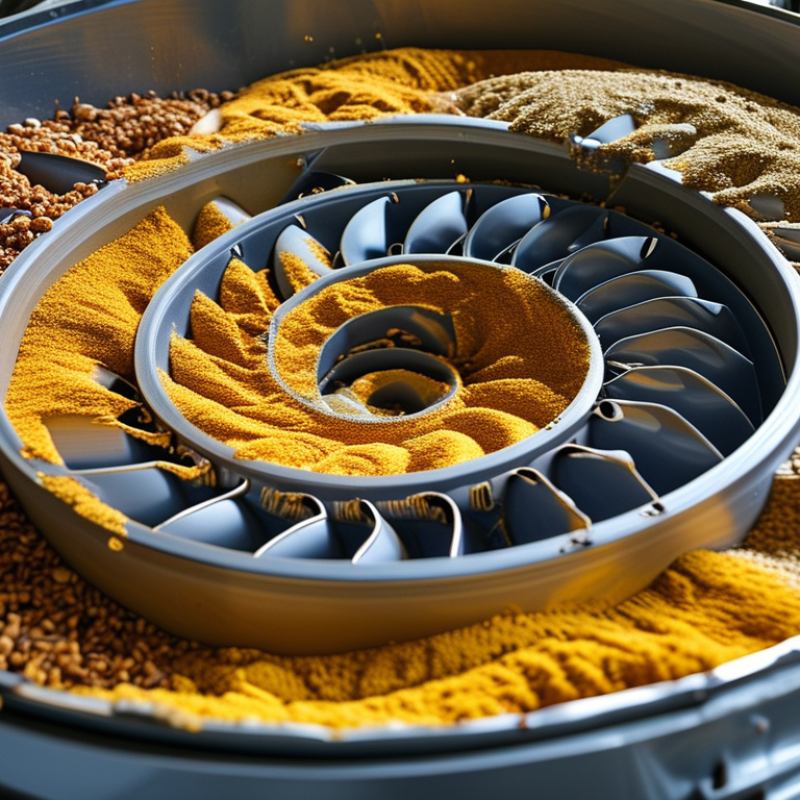
What Are the Main Auger Conveyor Types?

Definition and Working Principle of Auger Conveyors

An auger conveyor is a mechanical system that moves bulk materials through a fixed path. Its main parts include a rotating helical flight, a central shaft, a trough, bearings, and a drive motor. As the flight turns, each spiral section pushes material forward. The process resembles turning a large screw inside a channel. Material enters at the inlet and travels toward the discharge point.

The conveyor’s angle affects its performance. Horizontal augers usually move grains, powders, pellets, and small aggregates efficiently. Inclined models need more torque because gravity pulls material backward. Vertical augers operate differently and often require controlled feeding to prevent material from falling through the flight gaps. Flexible augers use a rotating spiral inside a tube, making them useful where the route includes gentle bends. Each type suits different layouts and material conditions.

In practical installations, operators check moisture, particle size, temperature, and flow rate before selecting an auger. Sticky material may coat the flight and reduce capacity. Abrasive material can wear the trough faster than expected. A motor that seems powerful enough may still struggle during startup. This is where real testing matters. Design formulas provide guidance, but field conditions are rarely perfect. Small changes in speed or inlet control can prevent surging, noise, and uneven discharge. Safety guards and regular inspections remain essential.

Horizontal Auger Conveyors for General Material Transport

What Are the Main Auger Conveyor Types?

Horizontal Auger Conveyors for General Material Transport

Horizontal auger conveyors move bulk materials through a fixed, level path. A rotating screw flight pushes material inside a trough or enclosed tube. This design suits powders, granules, and small particles. Common materials include grain, flour, wood chips, ash, and mineral additives. The conveyor can also meter material at a controlled rate.

In practical installations, horizontal conveyors often connect hoppers, mixers, storage bins, and processing equipment. Their compact layout saves floor space compared with some belt systems. Enclosed versions help reduce dust and protect material from outside contamination. However, operators should match the flight design, pitch, and speed to the material. Sticky products may build up on the screw. Fragile particles may suffer damage at excessive speeds.

Capacity depends on screw diameter, rotation rate, loading level, and material density. A full trough does not always provide better performance. Overfilling can increase motor load and cause uneven flow. Feed openings should remain accessible for inspection and cleaning. Bearings, seals, and flight edges need regular checks. Small alignment errors can create noise, vibration, or premature wear.

Experience shows that simple calculations are not enough. Material behavior can change with moisture and temperature. Test conveying is often worthwhile before final selection. A reliable design also includes emergency stops, guarding, and clear maintenance access. Not every horizontal auger conveyor performs equally well in real conditions.

Inclined Auger Conveyors for Vertical or Elevated Movement

Inclined auger conveyors move bulk materials from a lower point to an elevated destination. They use a rotating screw inside a trough or enclosed tube. This design suits grains, powders, pellets, and other controlled-flow materials. The incline angle, screw diameter, pitch, and material properties determine the final capacity.

A tubular auger conveyor can reduce dust exposure during enclosed transfer. A trough-style conveyor offers easier access for inspection and cleaning. However, the correct choice depends on the product. Moist material may cling to the screw, while fragile particles can break under excessive speed. In practical installations, a 30-degree incline often balances capacity and elevation, but steeper angles may require reduced loading. That detail is easy to overlook.

Keep the inlet consistently fed. Uneven loading can cause surging, noise, and unnecessary motor strain. Operators should check bearing temperature, unusual vibration, and buildup around the discharge. A small inspection hatch helps reveal wear before performance drops. Safety guards and controlled access remain essential around rotating equipment.

Inclined conveyors need thoughtful layout planning. Measure the vertical lift, horizontal distance, available maintenance space, and discharge height before selecting equipment. The conveyor may fit on paper but fail during cleaning. That happens. Engineers should also confirm bulk density, moisture content, particle size, and required throughput with real operating data. Conservative calculations are usually safer than optimistic estimates.

Flexible Auger Conveyors for Adaptable Material Handling

What Are the Main Auger Conveyor Types?

Flexible Auger Conveyors for Adaptable Material Handling

Auger conveyors include flexible, rigid screw, shaftless, and vertical designs. Flexible auger conveyors are especially useful when layouts change. Their polymer flight rotates inside a tube and moves powders, granules, and small pellets through bends. Operators can route them around mixers, walls, and storage bins. That saves floor space. It also reduces transfer points.

CEMA’s Screw Conveyors for Bulk Materials explains that capacity depends on diameter, pitch, speed, loading, and bulk density. These details matter more than appearance. FAO’s World Food and Agriculture Statistical Yearbook 2024 reported roughly 3.1 billion tonnes of global cereal production in 2022. Large volumes make reliable material flow essential. Still, flexible systems are not automatically the best choice. Abrasive particles may wear the tube. Heat, moisture, and excessive speed can also reduce performance. I would not select one from a catalogue alone.

Tips: Measure the route before choosing the conveyor. Record bends, elevation changes, feed rate, particle size, and bulk density. Keep the auger short where possible. A long, sharply bent route may increase friction and energy use. Test the actual material, not a substitute. That small trial can expose bridging, dust, or inconsistent discharge. It is easy to overlook cleaning access. That mistake becomes expensive later. Review the layout after installation. Real production is rarely as tidy as the drawing.

What Are the Main Auger Conveyor Types?

Flexible auger conveyors are adaptable systems that can route bulk materials around obstacles and through changing layouts. The chart compares representative upper limits for typical installation inclines across common auger conveyor types. Actual performance depends on material properties, conveyor length, screw design, speed, and manufacturer specifications.

Flexible and tubular screw conveyors are commonly selected when routing flexibility or enclosed material transfer is important. U-trough and shaftless designs are generally used for more controlled horizontal or moderate-incline conveying, while vertical screw conveyors are designed specifically for steep lifting applications.

Specialized Auger Conveyor Designs for Industrial Applications

Auger conveyors are not one universal machine. Their geometry changes with the material, route, and sanitation requirement. Horizontal screw conveyors suit grain, powders, and short transfer lines. Inclined models raise materials but lose capacity as the angle increases. Vertical designs need stronger torque and careful feeding. According to CEMA’s Screw Conveyors for Bulk Materials, common trough loading levels include 15%, 30%, 45%, and 60%. Selecting the wrong level can increase spillage and power demand.

Specialized designs solve harder industrial problems. Shaftless augers handle sludge, wet biomass, and sticky waste because material can move through the open center. Tubular screws contain dusty powders more effectively than open troughs. Flexible augers route around small obstacles, although excessive bends can accelerate wear. Live-bottom systems use multiple screws beneath hoppers, preventing bridging in cohesive materials. Food processors often choose washdown-friendly construction, while chemical plants may require sealed housings and corrosion-resistant alloys.

Automation also influences conveyor selection. The 2024 MHI Annual Industry Report found that 55% of surveyed operations were using robotics or automation, while another 36% planned adoption within two years. That trend favors augers with sensors for torque, temperature, speed, and blockage detection. Still, automation does not fix poor design. Moisture changes flow behavior. Fine powder may compact unexpectedly. My own practical concern is often overlooked: a conveyor rated for average capacity may fail during peak loading. Designers should test the actual material, not only rely on catalog calculations.

What Are the Main Auger Conveyor Types? - Specialized Auger Conveyor Designs for Industrial Applications
Auger Conveyor Type Typical Orientation Core Design Features Suitable Materials Common Industrial Applications Main Advantages Important Design Considerations
Horizontal Screw Conveyor Level or near-level conveying Helical flighting rotates inside a trough or tubular housing. The screw transfers bulk material along the conveyor axis. Powders, granules, pellets, grains, minerals, ash, and many other free-flowing bulk solids. Material transfer, batching, mixing, cooling, feeding, and discharge from storage bins or process equipment. Simple layout Enclosed handling Versatile Capacity depends on screw diameter, pitch, speed, fill level, material density, and flowability. Excessive speed can increase degradation and power demand.
Inclined Screw Conveyor Typically installed above the horizontal plane Uses a standard screw conveyor positioned at an incline to raise material between elevations. Dry, free-flowing materials such as grain, powders, pellets, and aggregate with suitable flow characteristics. Elevating material to hoppers, mixers, packaging lines, silos, and processing stages. Compact elevation change Enclosed transfer As the incline increases, effective capacity generally decreases and power requirements rise. Material rollback and reduced fill must be evaluated.
Vertical Screw Conveyor Vertical or nearly vertical A specially configured screw lifts bulk solids through a vertical housing, usually with controlled inlet feeding. Free-flowing powders, granules, pellets, and selected dry bulk materials. Vertical lifting where floor space is limited, including compact transfers between process levels. Small footprint High lift potential Requires carefully controlled feeding, suitable screw speed, and proper clearance. It is less tolerant of cohesive or poorly flowing materials.
Shaftless Screw Conveyor Horizontal, inclined, or mildly vertical A helical spiral rotates inside a U-trough or tubular housing without a central shaft or intermediate hanger bearings. Wet, sticky, viscous, stringy, or compacting materials, including screenings, sludge, food residues, and dewatered solids. Wastewater treatment, sludge handling, food processing, rendering, chemical processing, and waste transfer. Less plugging No center shaft Handles sticky solids Requires attention to trough liner wear, spiral tension, torque, sealing, and cleaning access. It may be less efficient for some dry, free-flowing materials.
Flexible Screw Conveyor Routing can be horizontal, inclined, or curved A flexible screw rotates inside a flexible tube, allowing the conveying route to bend around equipment and obstacles. Dry powders, crystals, granules, pellets, and other relatively free-flowing materials. Ingredient transfer, pharmaceutical and food production, plastics processing, and feeding of small process systems. Flexible routing Low installation complexity Easy relocation Material temperature, abrasiveness, bend radius, screw speed, and tube wear must be checked. It is generally unsuitable for large, sharp, or highly abrasive solids.
Twin-Screw Conveyor Usually horizontal or inclined Two parallel screws operate in a common trough or housing. The screws may be configured for conveying, mixing, or controlled feeding. Powders, cohesive materials, granules, flakes, and materials requiring improved agitation or feeding control. Blending, controlled feeding, chemical processing, food production, plastics, and difficult-to-flow bulk solids. Improved material movement Mixing capability Reliable feeding Has more components and typically higher power and maintenance requirements than a single-screw design. Screw clearance and synchronization are important.
Live-Bottom Screw Feeder Installed beneath a hopper, bin, or silo One or more screws actively draw material across the full outlet area to reduce bridging and promote controlled discharge. Bulk solids that may bridge, compact, or discharge unevenly, including powders, biomass, minerals, and industrial by-products. Bin discharge, metering to crushers or mixers, biomass systems, mineral handling, and process feeding. Uniform discharge Bridging reduction Metering control Hopper geometry, outlet width, screw arrangement, bulk density, wall friction, and feeder speed must be matched to the material’s flow behavior.
Ribbon Screw Conveyor Most commonly horizontal or inclined Ribbon-shaped flighting creates larger open spaces around the screw shaft, supporting movement of cohesive or viscous materials. Sticky powders, pastes, wet solids, slurries, and materials that tend to build up on conventional flighting. Chemical processing, food ingredients, pharmaceuticals, detergents, compounds, and specialty bulk-solid handling. Reduced buildup Good for cohesive materials Mixing support Open ribbon geometry can provide less positive conveying than solid flighting. Shaft deflection, clearances, cleaning, and product residence time require review.
Tubular Screw Conveyor Horizontal or inclined The screw is enclosed in a cylindrical tube, providing a sealed path with reduced exposure to dust, moisture, and contamination. Powders, fine granules, pellets, food ingredients, chemicals, and materials requiring contained transfer. Food, pharmaceutical, chemical, plastics, and other applications with strict containment or hygiene requirements. Dust control Contained conveying Clean appearance Inspection and cleaning access can be more limited than with open trough designs. Seal selection and heat buildup should be considered.
Note: Actual conveyor capacity, power, speed, and configuration should be determined from the material properties, conveying distance, elevation, duty cycle, and applicable safety requirements.

FAQS

: What materials can inclined auger conveyors move?

: They commonly handle grains, powders, pellets, and other controlled-flow materials. Sticky or fragile materials need special evaluation.

How does an incline affect conveyor capacity?

Capacity usually decreases as the incline becomes steeper. A 30-degree angle often balances elevation and material flow. Steeper layouts may require reduced loading.

Should the conveyor use a tube or a trough?

Tubular designs contain dusty powders more effectively. Trough designs provide easier inspection and cleaning access. The material and sanitation needs decide the better option.

What information is needed before selecting an auger conveyor?

Measure vertical lift, horizontal distance, discharge height, and maintenance space. Also confirm bulk density, moisture, particle size, and required throughput. Real operating data matters.

How should operators prevent uneven feeding problems?

Keep the inlet consistently supplied. Uneven loading can cause surging, noise, and motor strain. A steady feed is simple but important.

What maintenance checks should operators perform?

Check bearing temperature, unusual vibration, and buildup near the discharge. Use an inspection hatch to find wear early. Cleaning space is often overlooked.

Which designs suit wet or sticky materials?

Shaftless augers can handle sludge, wet biomass, and cohesive materials. Their open center reduces material trapping around a central shaft. The choice still needs testing.

Can automation solve conveyor performance problems?

Sensors can monitor torque, temperature, speed, and blockages. They cannot correct poor sizing or unsuitable geometry. A peak load may exceed the average rating. That risk deserves more thought.

Conclusion

Auger Conveyor Types are defined by the direction, flexibility, and application of material movement. These conveyors use a rotating helical screw, or auger, inside a trough or tube to push bulk materials forward in a controlled and continuous flow. Their enclosed structure can help reduce dust, protect materials from contamination, and support consistent feeding or transfer operations.

Horizontal auger conveyors are commonly used for general transport across level distances, while inclined models move materials upward or to elevated processing points. Flexible auger conveyors offer greater adaptability, allowing routing around obstacles and connection between different equipment locations. Specialized auger conveyor designs may include configurations for metering, mixing, cooling, heating, or handling materials with unique flow characteristics. Selecting the right type depends on the material properties, conveying distance, incline, capacity, layout, and required process functions.

Sophia

Sophia

Sophia is a dedicated marketing professional with an exceptional depth of knowledge about her company's products and services. With a keen understanding of market trends and customer needs, she crafts insightful blog posts that not only inform but also engage readers, enriching the company’s online......