China Dewatering Screen Design Manufacturer & Factories

Leading Engineering Excellence in Vibratory Separation, Tailings Management, and High-Efficiency Mineral Processing Solutions Since 2000.

Henan Jinte Technology: Engineering Authority

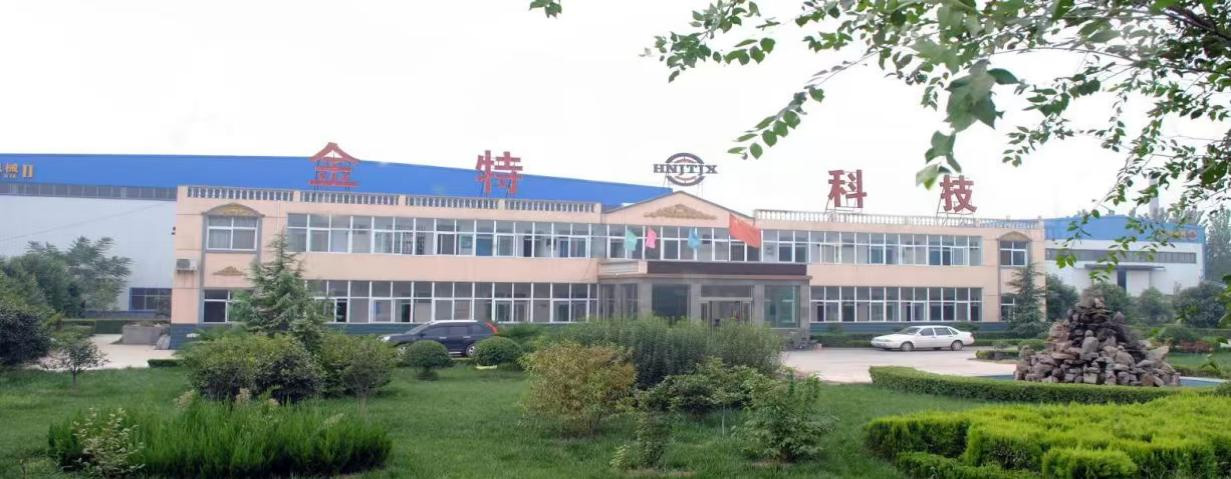
Henan Jinte Technology Co., Ltd. was officially registered and established in 2018, evolving from a legacy of engineering dating back to 2000. We have developed into a mid-to-large-scale international enterprise specializing in the bespoke design and production of complete dewatering systems, vibrating equipment, and conveying products for global industrial infrastructures.

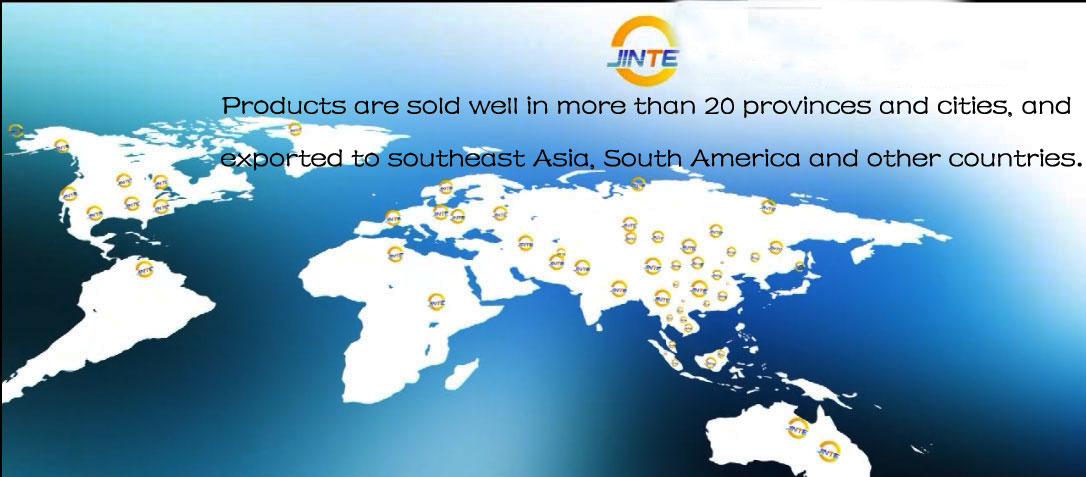
Our operational footprint spans across Iran, India, Central Africa, and Southeast Asia. The core design philosophy of Jinte integrates environmental protection and energy efficiency, ensuring our technical standards meet international benchmarks. As a leader in the vibration machinery industry, we bridge the gap between heavy industrial requirements and sustainable processing.

24+ Years Industry Experience
240+ Specialized Employees
25,960 Sq. Meters Factory Space
700+ Product Varieties

The Evolution of Dewatering Screen Design: A 2024 Technical Perspective

1. Strategic Role in the Circular Economy

In modern mineral processing and sand production, the dewatering screen is no longer a secondary component; it is the linchpin of water conservation and tailings dry discharge. Current global trends emphasize "Zero Liquid Discharge" (ZLD). Our design process incorporates finite element analysis (FEA) to ensure that every vibrating frame can withstand the intense G-forces required to separate liquid from ultra-fine solids, reducing moisture content to as low as 12-15%.

2. Global Procurement Requirements & Compliance

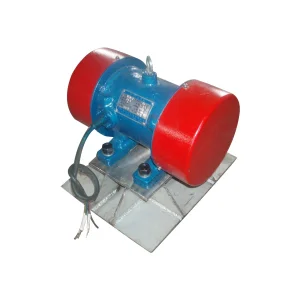
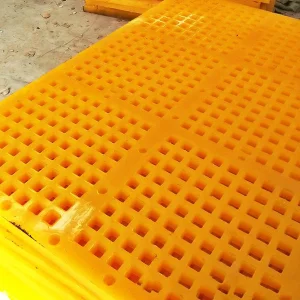
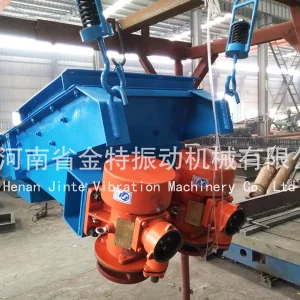
International buyers from Australia, Canada, and the EU now demand more than just raw power. Compliance with ISO 9001:2015, CE Marking, and ASTM standards is mandatory. Henan Jinte ensures that every "China Dewatering Screen" we produce is equipped with high-performance vibration motors (like the ZFB series) and premium polyurethane sieve plates that offer 3-5 times the lifespan of traditional stainless steel meshes.
3. Advanced Technical Roadmap: AI and Automation

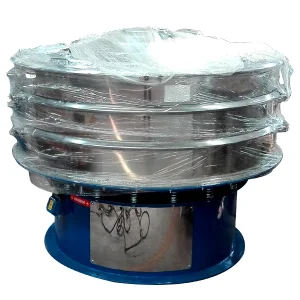
The future of dewatering screen design lies in Intelligent Monitoring. Jinte is currently integrating IoT sensors into our large circular and linear vibrating screens. These sensors monitor:

  • Vibration Amplitude: Real-time detection of mechanical fatigue.
  • Bearing Temperature: Early warning systems for motor failure.
  • Throughput Optimization: Automatically adjusting motor frequency via VFDs based on material load.
Manufacturing Infrastructure & Professional Ability

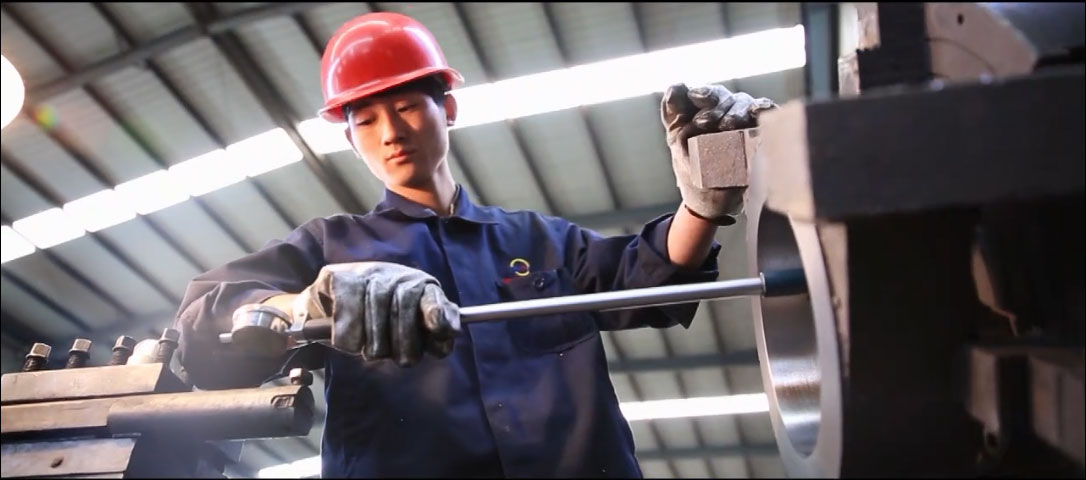
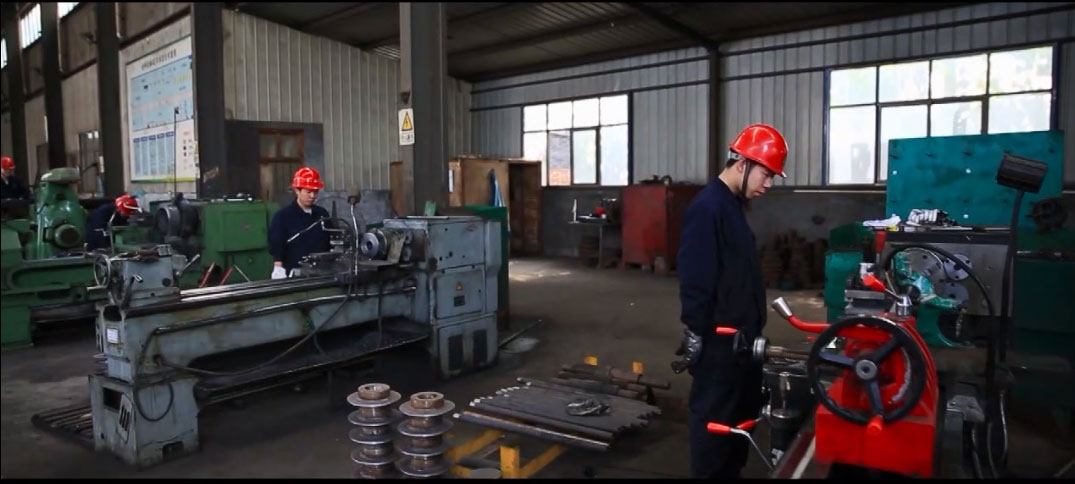
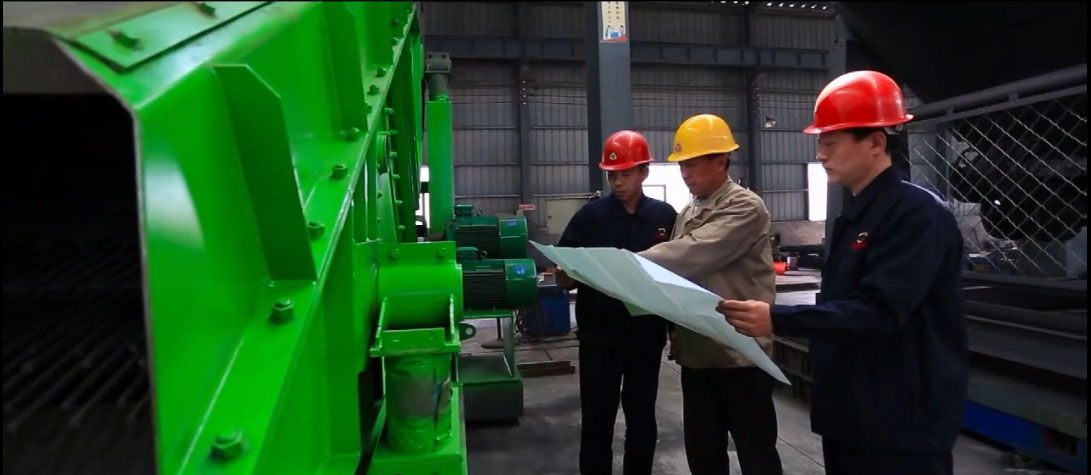
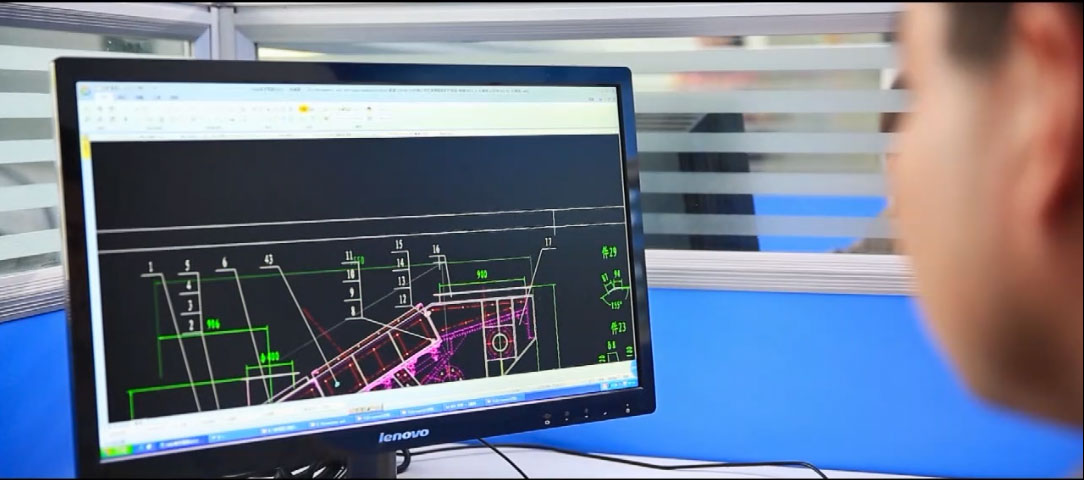
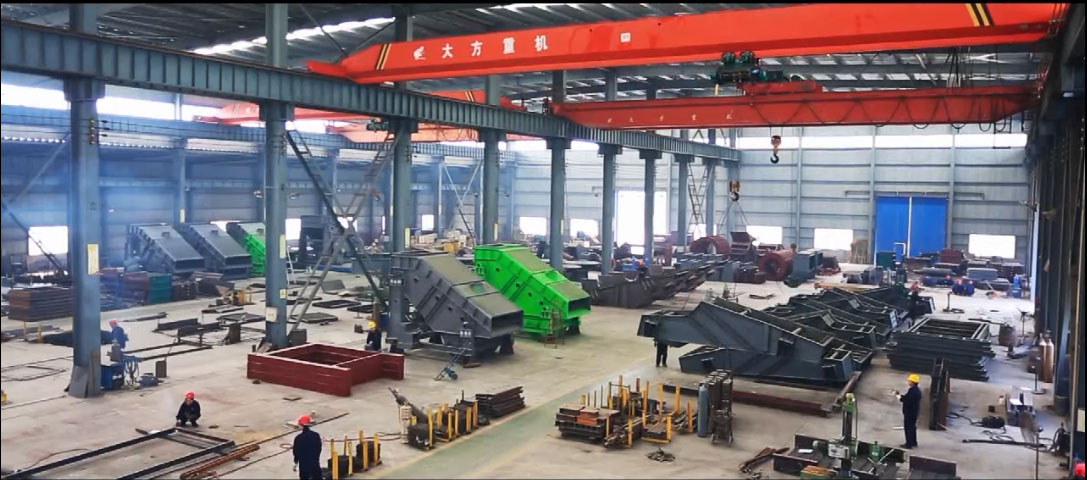
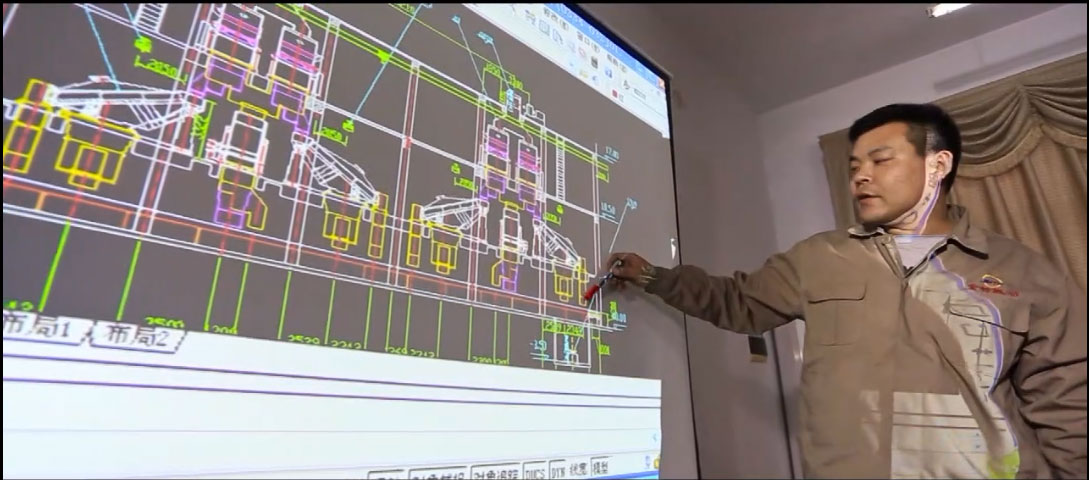
Our factory, located in Xinxiang Economic Development Zone, houses over 80 sets of advanced processing equipment. This includes vertical CNC machining centers, automatic flame cutting machines, and CNC bending equipment. We leverage CXAX 3D design software to simulate material flow before a single piece of steel is cut.

Professional Ability: 98%

Service Level: 100%

Transport Safety: 100% (Excluding natural disasters)

JINTE'S Professional Engineering Team

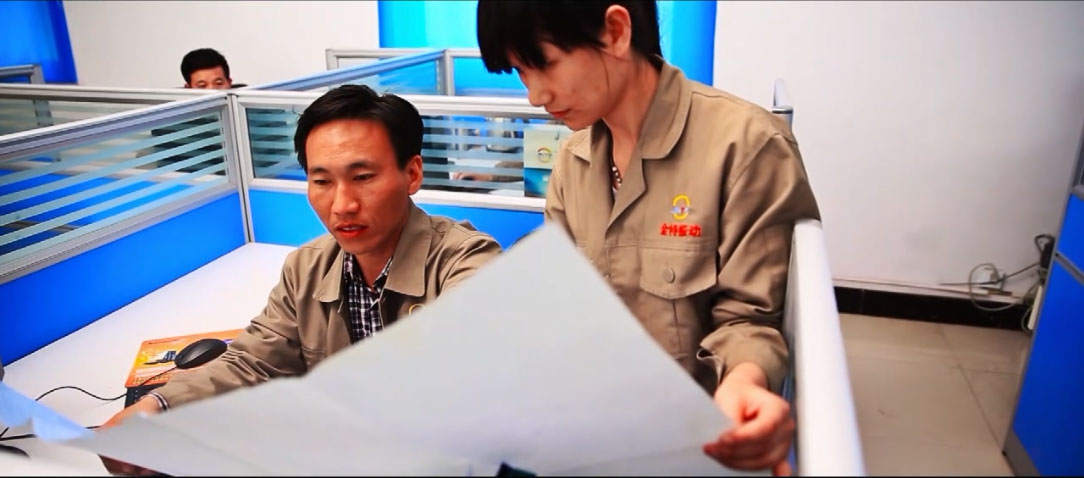
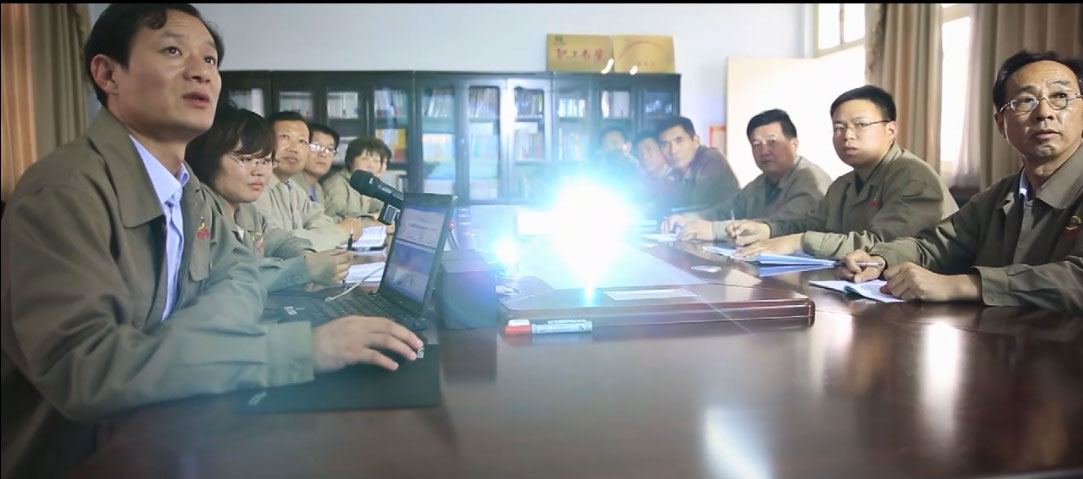
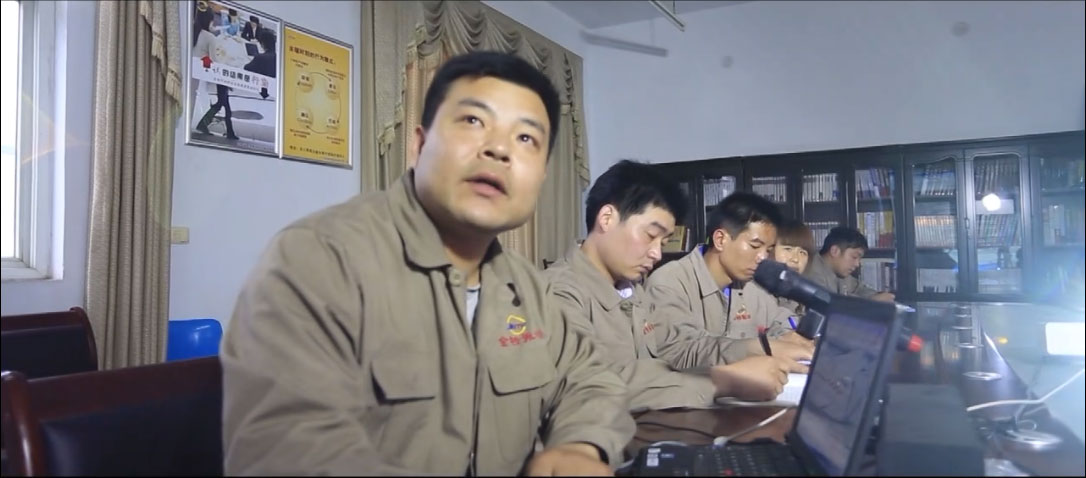
Our team of 45+ technical developers ensures that potential problems are solved with military precision. Our staff is constantly educated on market trends and metallurgical advancements.

Global Solutions & Support

Mining & Metallurgy

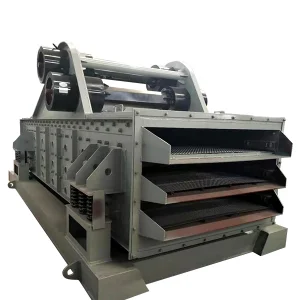
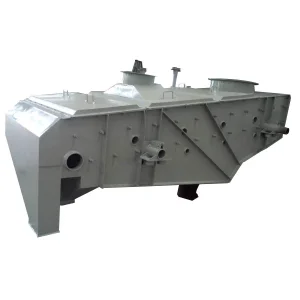
High-frequency screens designed for iron ore, gold tailings, and coal slurry. Our GPS-type triple deck screens maximize separation efficiency in small footprints.

Sand & Gravel Plants

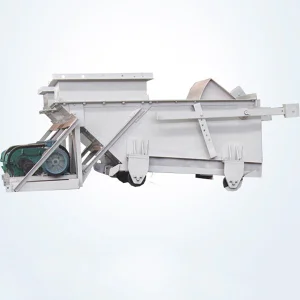
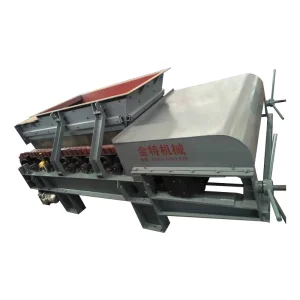
Complete aggregate production lines including the ZS-type linear screen and K-type reciprocating feeders for consistent material throughput.

Local Support

Regardless of your location, we establish professional technical teams to provide on-site installation guidance, spare parts localization, and 24/7 remote diagnostics.

Frequently Asked Questions (FAQ)

Q: What makes your dewatering screen design superior?
A: We use a combination of 45-degree inclination design and high-frequency vibration to create a thick material bed, which acts as a secondary filter media, allowing for much finer particle capture than traditional horizontal screens.
Q: How do you handle abrasive materials like granite or iron ore?
A: All impact zones are lined with high-molecular-weight polyurethane or ceramic tiles. Our polyurethane sieve plates are specifically engineered to resist abrasion and prevent blinding.
Q: Can your equipment be integrated into existing production lines?
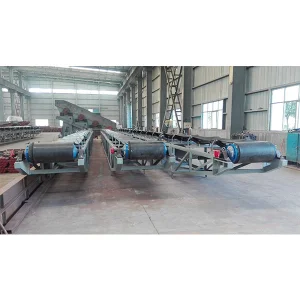
A: Yes. We offer modular designs and flexible "soft connections" to ensure vibration isolation and seamless fitment with your current conveyors and silos.