📘
Introduction
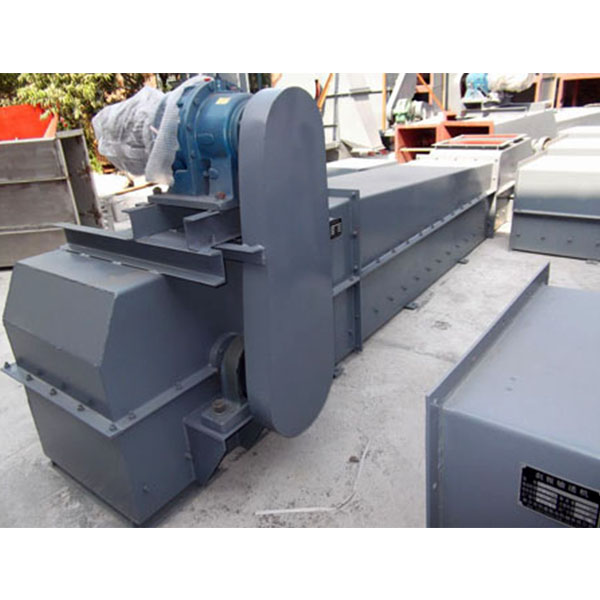
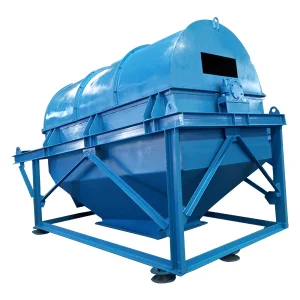
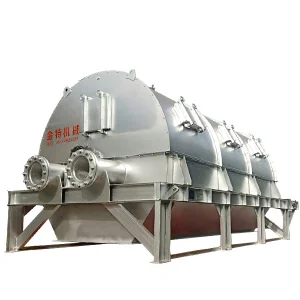
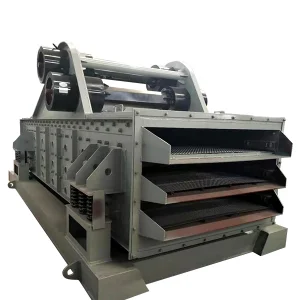
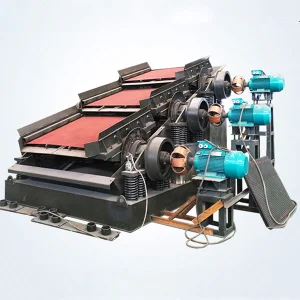
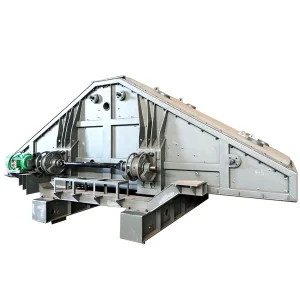
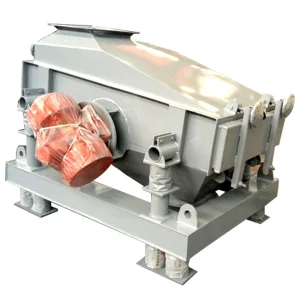
Buried scraper conveyor's transport principle is to use the material internal friction force to continuously and smoothly transport small particles and small blocks of materials. The process layout is more flexible.
⛏️ Mining Industry
🔥 Coal Industry
🏗️ Metallurgy Industry
⚡ Electric Power Industry
🏢 Building Materials Plant
📦 Light Industry
❓
Frequently Asked Questions
Q1: What is the main working principle of the buried scraper conveyor?
The conveyor utilizes the internal friction of the material itself to ensure continuous and smooth transport of small particles and blocks through a flexible process layout.
Q2: Which industries benefit most from using this equipment?
It is widely used in mining, coal, metallurgy, electric power, building materials, and light industries due to its versatility and efficiency.
Q3: How does the closed shell design help the environment?
The closed shell structure prevents material dust from escaping, significantly reducing environmental pollution and improving the safety and health of the operating environment for workers.
Q4: Can this conveyor handle materials of different hardness levels?
Yes, there are specific parameters for both low hardness and high hardness materials, with variations in granularity limits for each material type.
Q5: What are the differences between MS, MC, and MZ types?
These types differ in their granularity handling, conveying speeds, and capacity ranges to suit various industrial application requirements.
Q6: What is the typical conveying speed for these conveyors?
The conveying speed generally ranges between 0.16 and 0.32 m/s depending on the specific model and material requirements.