1. What is the primary function of a Jaw-type Gate?
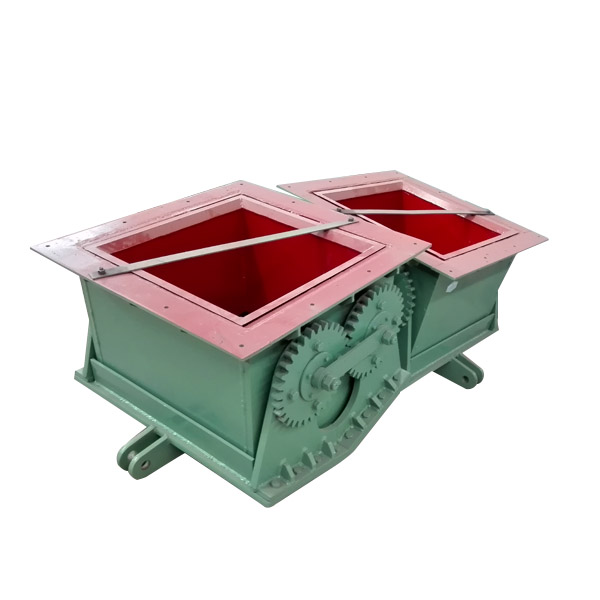
The Jaw-type gate is specifically designed for the discharge of bulk materials, typically used under silos or hoppers to control the flow of granular and powdery materials in industrial processing.
2. How do I choose between the Electro-hydraulic Push Rod and the Gyrator models?
The choice depends on your specific application requirements, power source availability, and desired control precision. Electro-hydraulic models offer smooth operation and integrated power, while gyrator models are selected for specific torque and space configurations.
3. What do the dimensions A through H represent in the technical table?
These dimensions represent the structural footprint of the gate, including the throat size (opening), flange dimensions, and overall height, ensuring proper fitment during installation.
4. Are the DEZ series gates suitable for heavy-duty industrial environments?
Yes, the DEZ series is engineered with robust materials to withstand the abrasive nature of bulk materials and the mechanical stress of high-frequency operation in industrial settings.
5. Is the flow rate adjustable with these gates?
Yes, by controlling the stroke of the electro-hydraulic push rod or the movement of the gyrator, the opening degree of the "jaws" can be adjusted to regulate the material discharge rate.
6. What maintenance is required for optimal performance?
Regular inspection of the drive components (push rods/gyrators), lubrication of pivot points, and checking for material buildup within the jaw assembly will ensure long-term reliability.