1 / 3

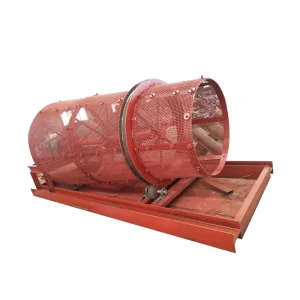
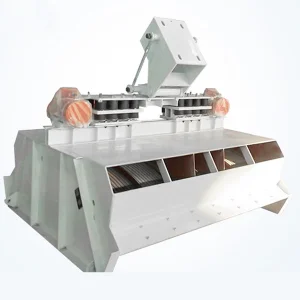
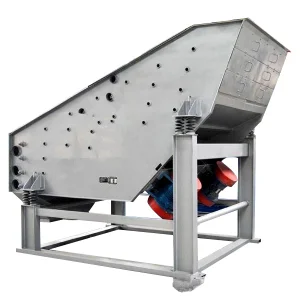
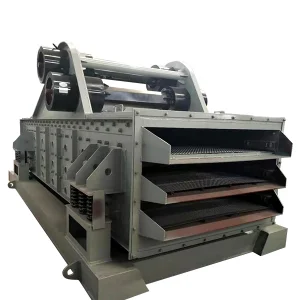
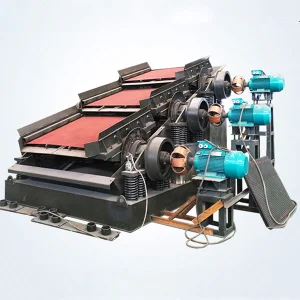
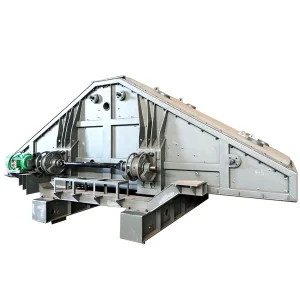
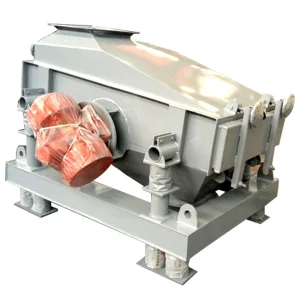
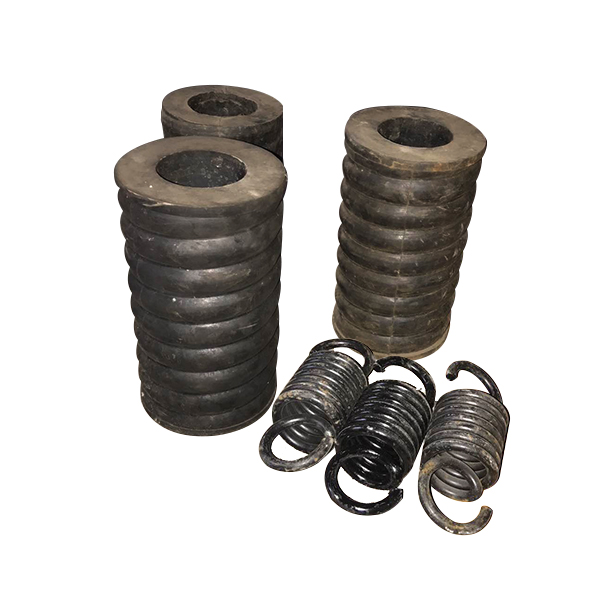
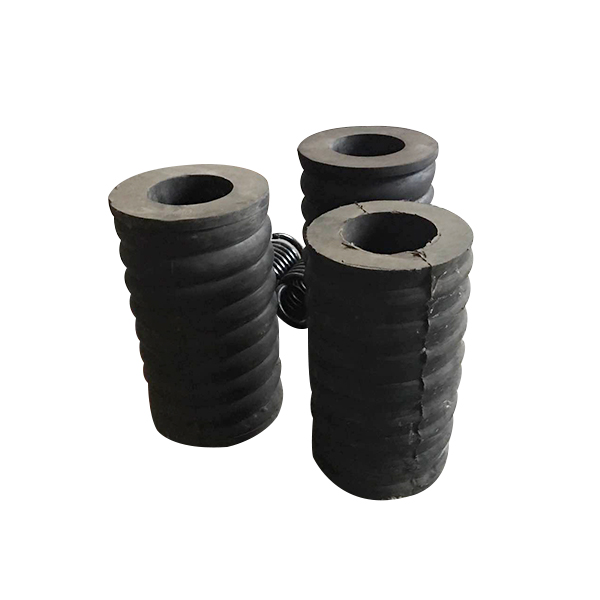
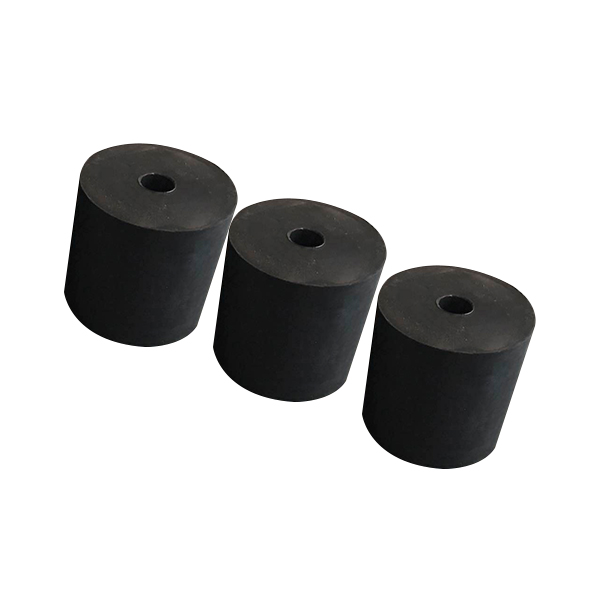
Rubber spring is a common elastic element, widely used in all kinds of vibration equipment, with good stability, low noise, good vibration isolation effect, long service life and other advantages.
A high-performance polymer elastomer characterized by low self-generated heat, excellent resilience, stable mechanical properties, long service life, and cost-effectiveness.
Combines a metal helical spring with a rubber compound elastomer. It integrates the strengths of both materials while overcoming their individual shortcomings. It offers stable shape and mechanical performance, capable of bearing heavy loads and large deformations with superior noise reduction and vibration isolation.
| Specifications D*H*d (mm) | External Diameter D (mm) | Internal Diameter d (mm) | Freedom Height H (mm) | Rake Quantity FV (cm) | Steel Degree KL (kg/cm) | Allowable Load Pa (kg) |
|---|---|---|---|---|---|---|
| φ300*245*φ80 | 300 | 80 | 245 | 1 | 480 | 2800 |
| φ250*250*φ50 | 250 | 50 | 250 | 2.5 | 370 | 2000 |
| φ220*220*φ50 | 220 | 50 | 220 | 2.2 | 320 | 1500 |
| φ200*200*φ50 | 200 | 50 | 200 | 2 | 280 | 1000 |
| φ180*180*φ40 | 180 | 40 | 180 | 1.8 | 260 | 800 |
| φ160*160*φ40 | 160 | 40 | 160 | 1.6 | 240 | 750 |
| φ160*l60*φ30 | 160 | 30 | 160 | 1.6 | 240 | 750 |
| φ140*l40*φ30 | 140 | 30 | 140 | 1.4 | 210 | 700 |
| φ140*l60*φ30 | 140 | 30 | 160 | 1.4 | 180 | 700 |
| φ127*l27*φ30 | 127 | 30 | 127 | 1.2 | 180 | 700 |
| φ120*120*φ30 | 120 | 30 | 120 | 1.2 | 170 | 600 |
| φ100*l00*φ30 | 100 | 30 | 100 | 1 | 140 | 500 |
| φ100*130*φ30 | 100 | 30 | 130 | 1 | 100 | 400 |
| φ80*80*φ20 | 80 | 20 | 80 | 0.8 | 100 | 200 |
| φ60*60*φ18 | 60 | 18 | 60 | 0.8 | 60 | 100 |
| φ50*50*φ18 | 60 | 18 | 50 | 0.8 | 60 | - |