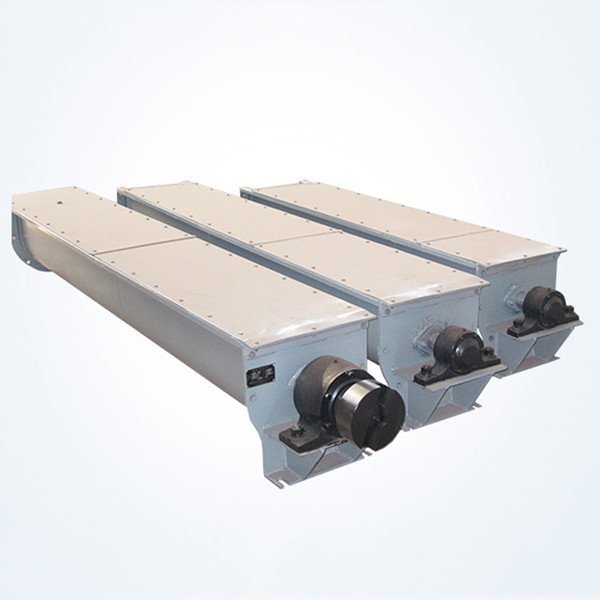
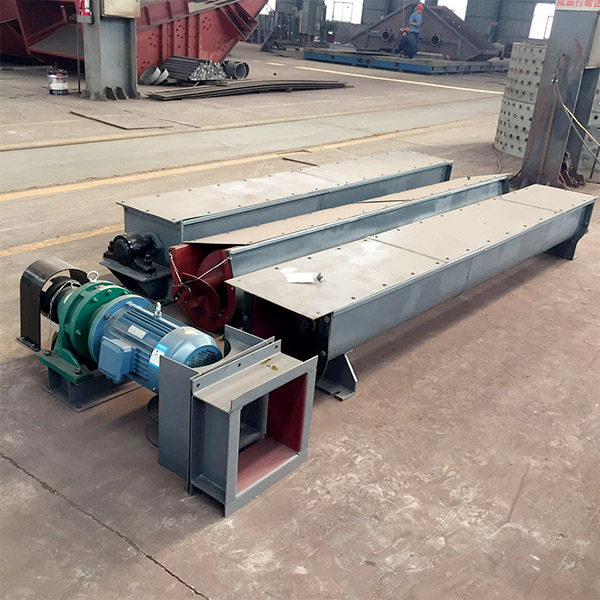
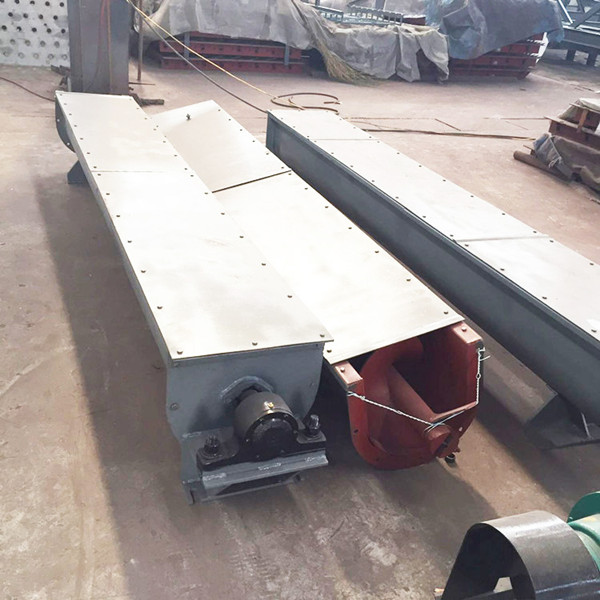
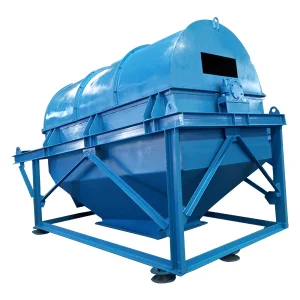
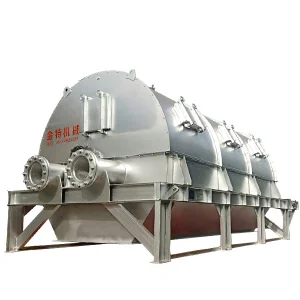
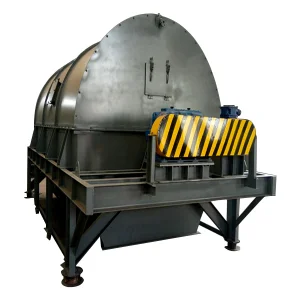
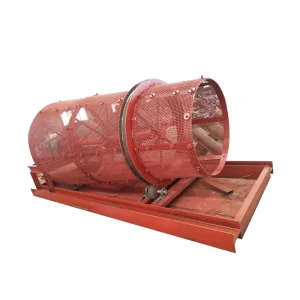
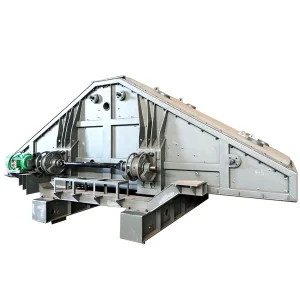
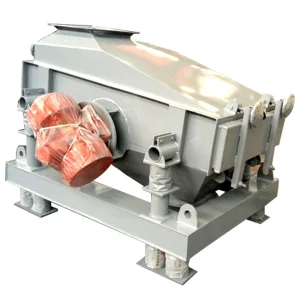
GX spiral conveyor is the earliest Conveyor Machine in China. The Screw Conveyor uses the rotation of the screw to move the material along the shell to achieve the purpose of transportation. The force that prevents the material from rotating with the screw is the weight of the material and the friction of the shell.
Facilitate intermediate loading and unloading
Simple structure, small cross section size and low cost
Simple and convenient operation
The material is isolated from the outside world with good sealing property
Working Principle and Structure
The screw conveyor usually consists of three parts: the body of the screw machine, the inlet and outlet device, and the drive device. Electrical switch and motor starting equipment are not included in the standard supply.
The body of the screw machine is composed of the head section, middle section and tail section. Generally speaking, in the final assembly, the middle section is arranged in order of length, the longest section is near the head section, and the middle section of the same length is next to each other.
The thrust bearing is installed in the head section to bear the axial force, and the spiral shaft is supported by the bearing in the middle section and the tail section. In addition, the shaft section is equipped with radial bearings which can be moved in an axial direction to compensate for the error of the length of the screw shaft and adapt to the change of temperature. The form of spiral surface has solid spiral (S method) and band spiral (D method) two kinds. Each screw shaft is connected by flange, which ensures the interchangeability of the connecting shaft and facilitates maintenance.
The cover is tile-type and clamped on the shell with the cover buckle. If the sealing performance needs to be improved, users can add waterproof canvas between the cover and the shell. There are four kinds of feeding port, square feeding port, hand push feeding port and rack feeding port.
Technical Parameter
Item
Unit
Data
Screw diameter
mm
150
200
250
300
400
500
600
Carbon toner
Screw speed
rpm
190
150
150
120
120
90
90
Delivery volume
t/h
4.5
8.5
16.5
23.3
54
79
139
Cement
Screw speed
rpm
90
75
75
60
60
60
45
Delivery volume
t/h
4.1
7.9
15.6
21.2
51
84.8
134.2
Raw material
Spiral speed
rpm
75
75
75
60
60
60
50
Delivery volume
t/h
3.1
7.6
13.8
18.7
45
93.3
129
Screw speed range
rpm
20, 30, 35, 45, 60, 90, 120, 150, 190
Note:
1. N -- speed r/min (deviation is allowed within 10%)
2. Q - throughput m3/h (the throughput is calculated when filling coefficient bits = 0.35)
Comparison Insight: If you want to know the difference between Screw Conveyor and Belt Conveyor, the choice depends on your specific material handling requirements and sealing needs.
Frequently Asked Questions
1. What are the main components of a GX spiral conveyor?
The screw conveyor consists of three primary parts: the body of the screw machine (head, middle, and tail sections), the inlet and outlet devices, and the drive assembly.
2. How does the screw conveyor transport materials?
It utilizes the rotation of a spiral screw to move materials along a stationary shell. The weight of the material and the friction against the shell prevent the material from simply rotating with the screw, thus pushing it forward.
3. What are the key advantages of using this type of conveyor?
Advantages include a simple and cost-effective structure, small cross-sectional size, easy operation, and excellent sealing properties that isolate materials from the external environment.
4. What types of spiral surfaces are available?
There are two main forms: the solid spiral (S method) and the band spiral (D method), allowing users to choose based on their specific material characteristics.
5. Can the sealing performance be enhanced?
Yes. While the tile-type cover is clamped with buckles, users can further improve sealing by adding waterproof canvas between the cover and the shell.
6. What materials can be processed according to the technical data?
The GX spiral conveyor is suitable for handling various materials including carbon toner, cement, and other raw industrial materials with different production capacities based on screw diameter.