In the complex ecosystem of bulk material handling, belt feeder capacity is more than just a metric; it is the heartbeat of operational efficiency. As a leading manufacturer, we understand that "Wholesale Belt Feeder Capacity" refers to the precise volume and weight of material a system can transport over a specific timeframe, typically measured in Tons Per Hour (TPH). From mining extraction to chemical processing, achieving the optimal capacity involves a sophisticated balance of belt width, speed, material density, and moisture content.
The global demand for high-capacity feeders is surging, driven by the expansion of large-scale infrastructure projects and the transition towards automated mining systems. Henan Jinte Technology Co., Ltd. sits at the intersection of this demand, providing engineered solutions that exceed traditional throughput limitations while maintaining strict environmental and energy-efficiency standards.
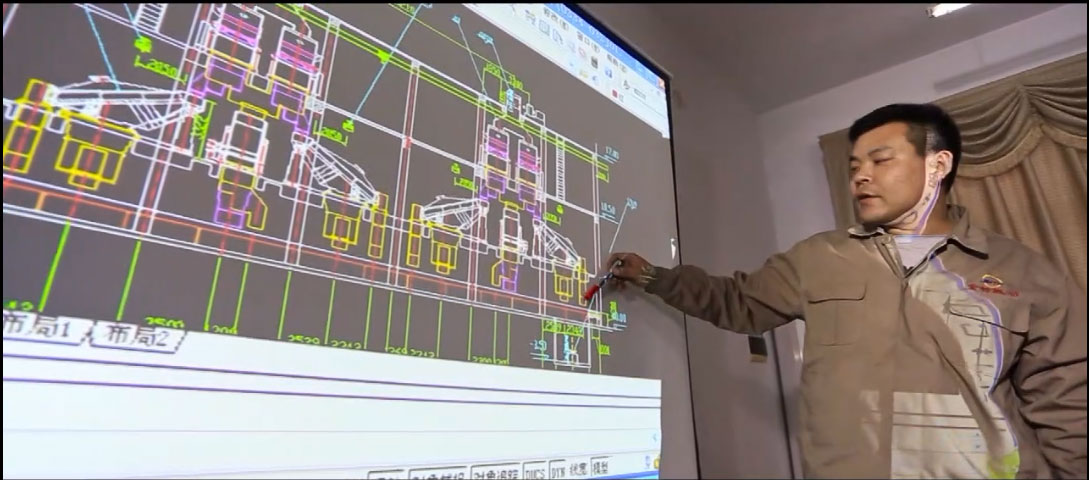
Utilizing advanced CAD and finite element analysis to ensure that every belt feeder can withstand peak load stresses without compromising lifespan.
Integration of variable frequency drives (VFDs) to align power consumption with real-time capacity needs, reducing operational costs by up to 30%.
Manufactured to meet international benchmarks, ensuring seamless integration into processing lines across Asia, India, Iran, and Central Africa.
As experts in the field, we provide professional insights into the three-pillar calculation of capacity that industrial buyers must consider:
The angle of repose and the bulk density (kg/m³) are critical. A feeder designed for dry coal will have a vastly different capacity profile than one designed for iron ore or moist clay.
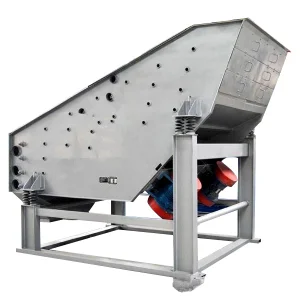
Belt width (B) and trough angle directly dictate the cross-sectional area of the material load. Our multi-deck and heavy-duty screen designs complement these feeders to maximize usable throughput.
Belt speed (V) and shear force at the hopper outlet. Managing the "gate height" in relation to belt speed is where Henan Jinte’s 19+ years of experience ensures zero bottleneck performance.
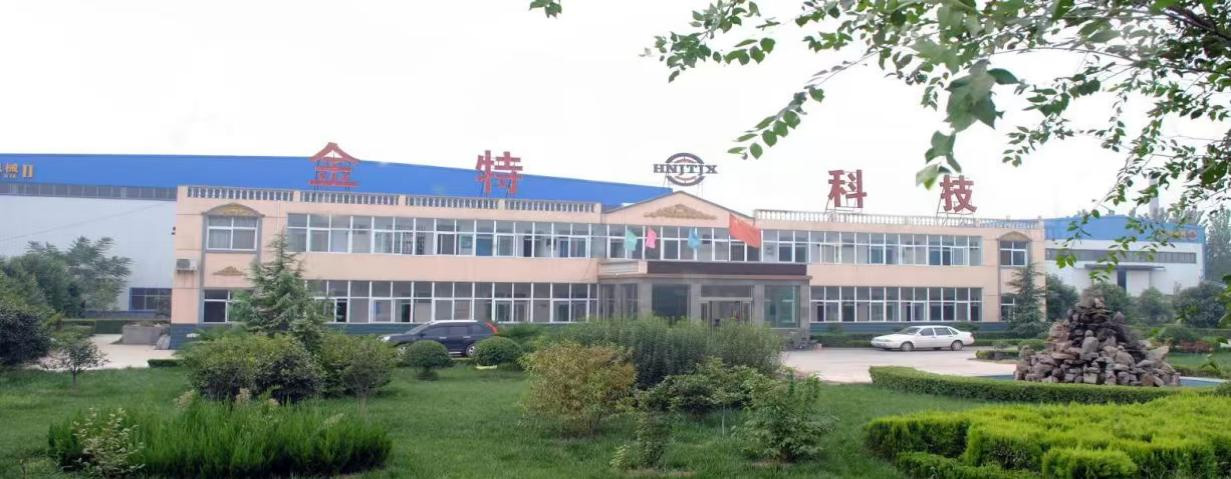
Henan Jinte Technology Co., Ltd. was officially registered and established in 2018, originating from a foundation laid in 2000. It has now developed into a mid-to-large-scale international enterprise specializing in the design and production of complete screening equipment, vibration equipment, and conveying products for sand and gravel production lines.
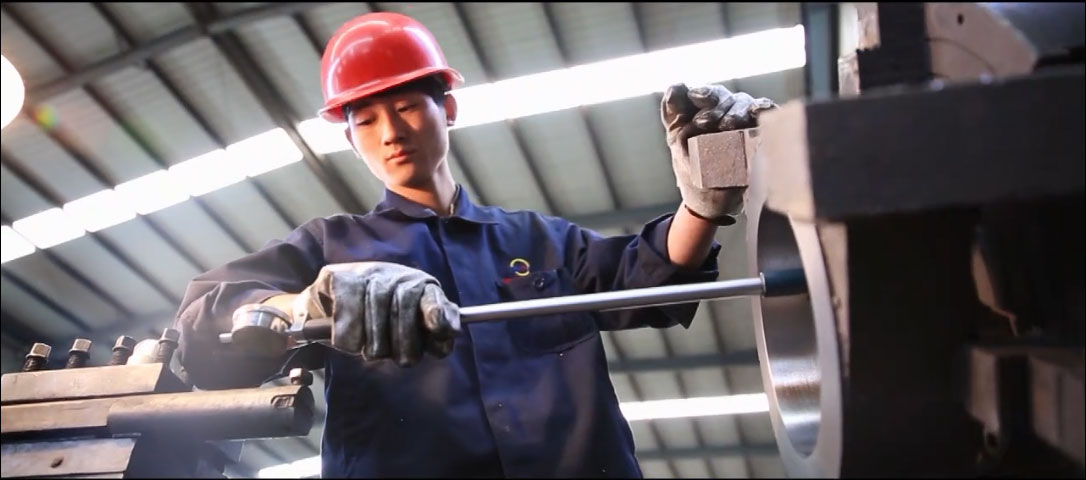
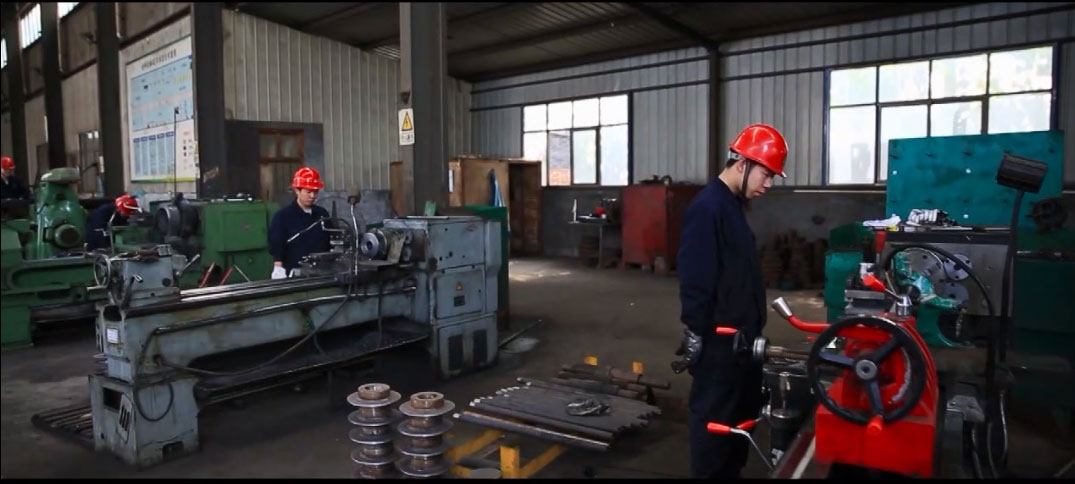
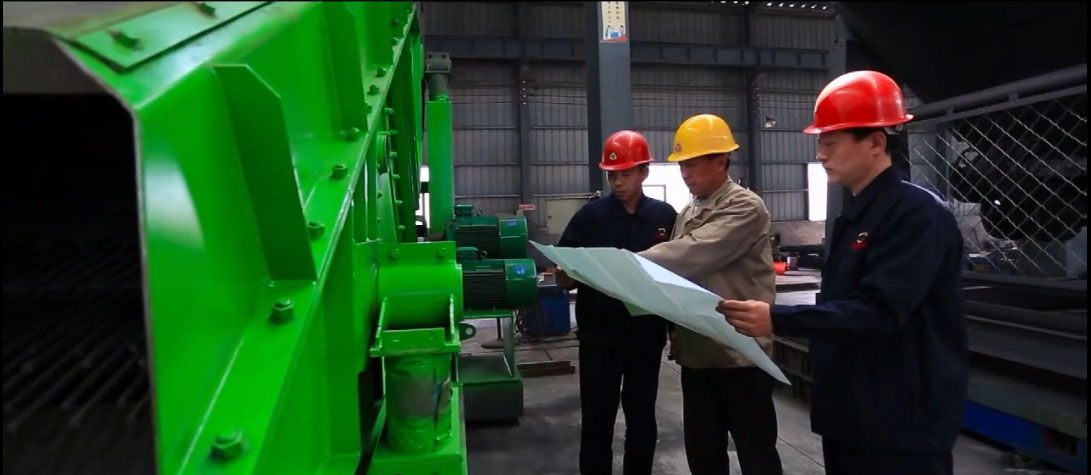
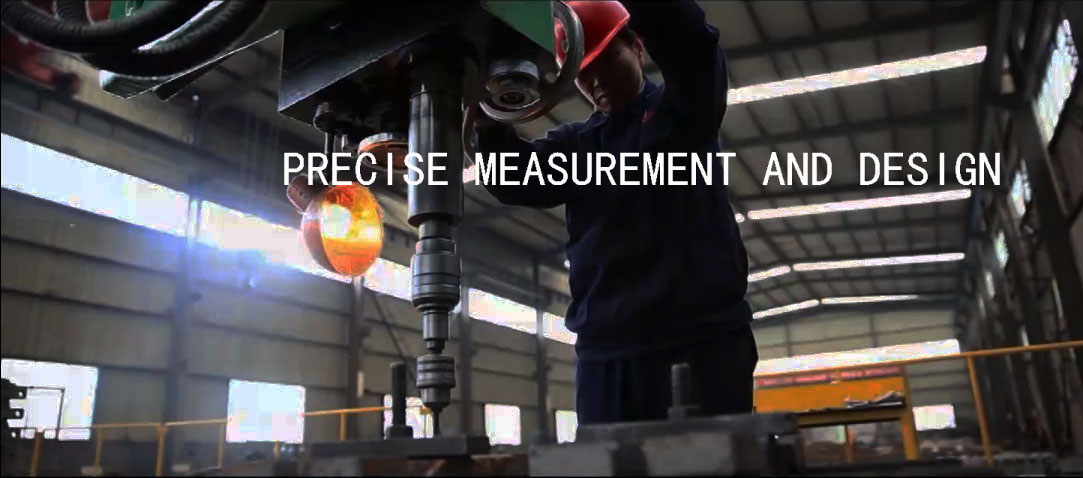
Located in the Xinxiang Economic Development Zone, our facility covers 26,000 square meters. With over 80 sets of processing equipment—including vertical CNC machining centers, automatic flame cutting, and 20-ton lifting systems—we are uniquely positioned to handle massive "Belt Feeder Capacity" manufacturing requirements for the global market.
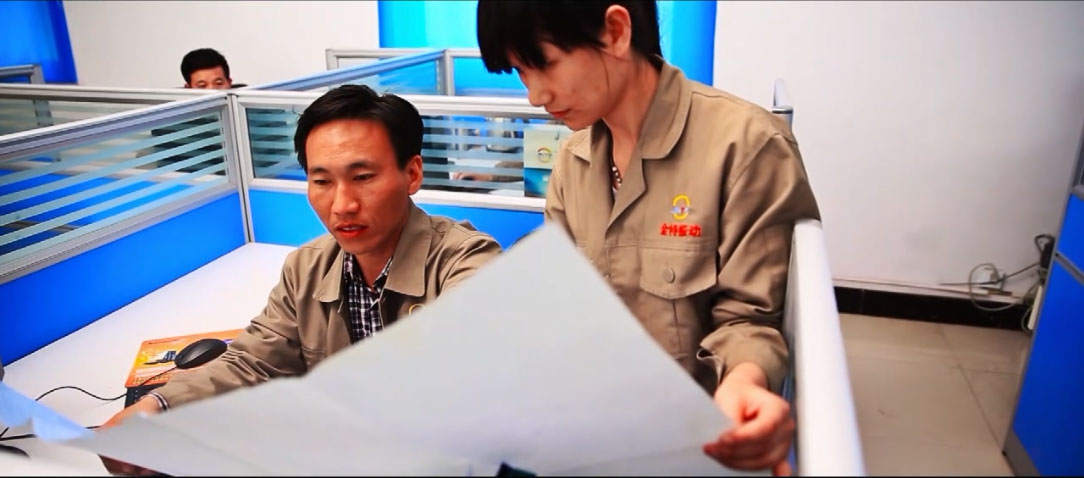
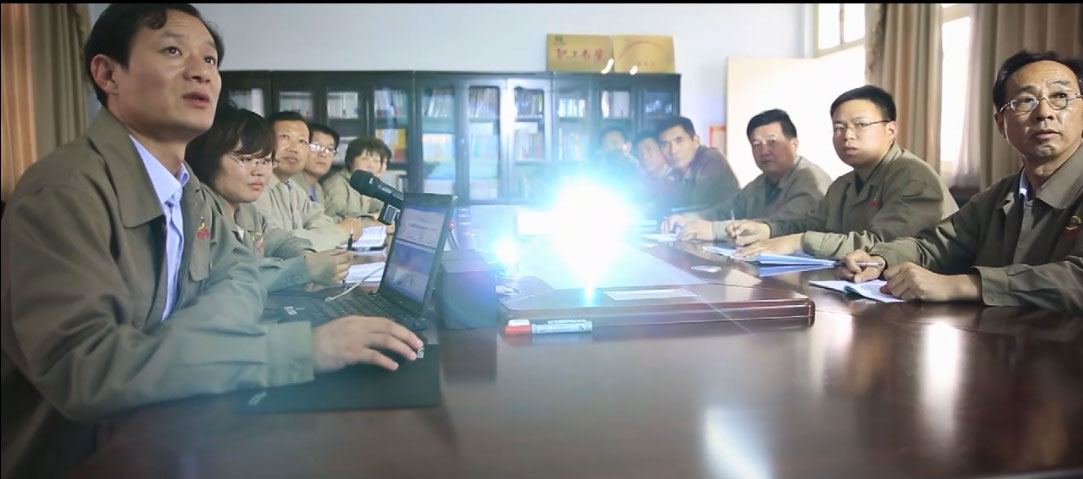
A team of 100+ employees, including 45+ technical R&D specialists, focused on military-precision problem solving and market-leading trends.
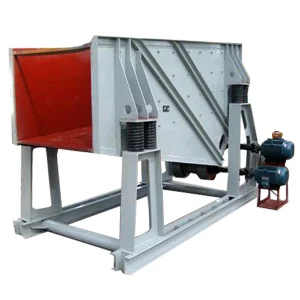
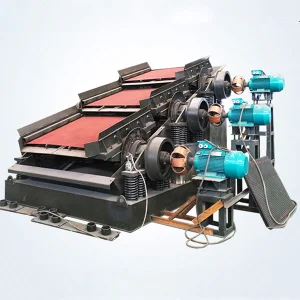
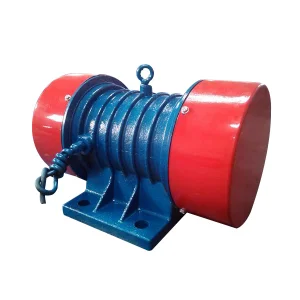
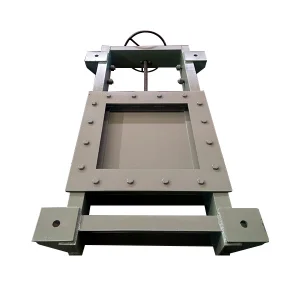
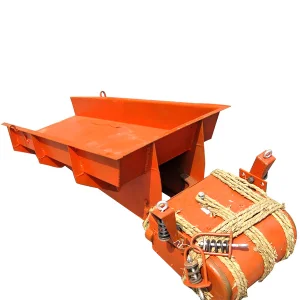
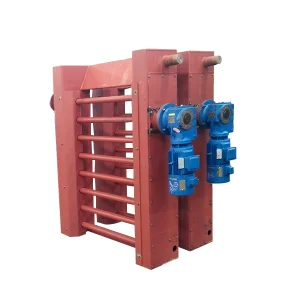
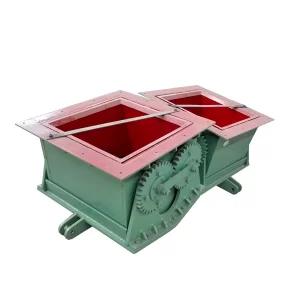
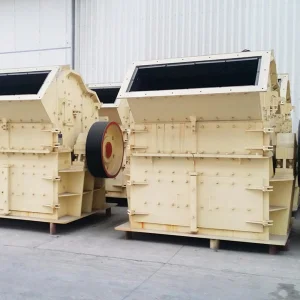
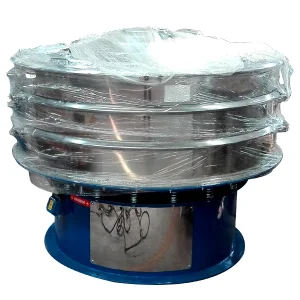
We produce over 700 varieties of equipment, from electromagnetic feeders and reciprocating coal feeders to large circular vibrating screens and crushers.
We use CXAX 3D design software and finite element analysis to describe equipment in stereo, ensuring environmental protection and energy conservation.
In the current industrial climate, global enterprises are shifting from "standard purchase" to "strategic procurement." Belt feeder capacity is no longer just about the hardware; it’s about the integration into the smart factory ecosystem. Key trends include:
Purchasing departments in Europe and North America are increasingly seeking modular belt feeders that allow for capacity scaling without replacing the entire infrastructure.
IoT-enabled sensors that track belt tension, motor temperature, and throughput volume are becoming standard requirements in mining Tenders.
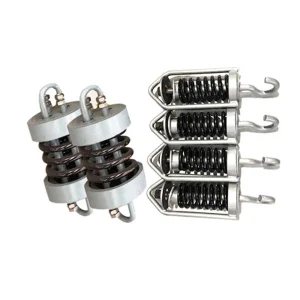
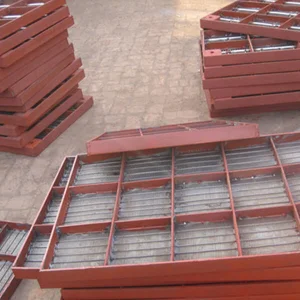
The focus has moved from the initial quote to the long-term maintenance cost. Our use of high-durability composite springs and stainless steel sieve plates addresses these concerns directly.
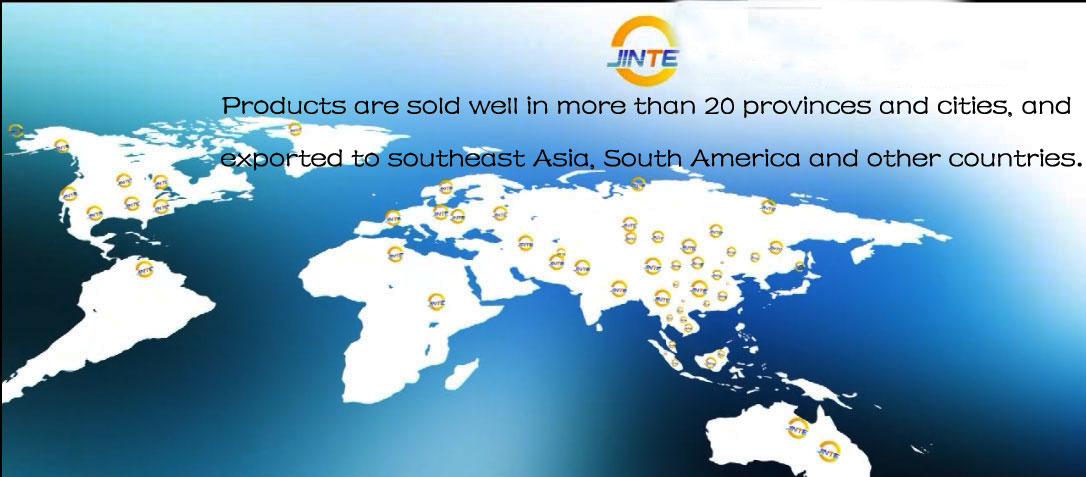
Our global marketing network ensures that whether your project is in the high-altitude mines of Central Africa or the industrial hubs of India, Jinte Technology provides localized support and compliance with regional safety standards.
Integration of real-time material moisture sensors to automatically adjust belt speed, maintaining constant tonnage despite material variability.
Development of new alloy rollers and belt materials to reduce energy consumption by an additional 15% while increasing max capacity limits.
Systems that communicate directly with upstream mining equipment and downstream processing units to optimize the entire plant's capacity flow.