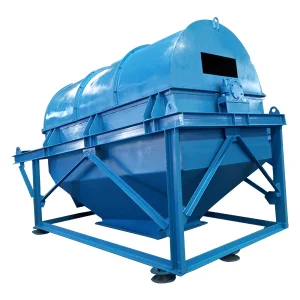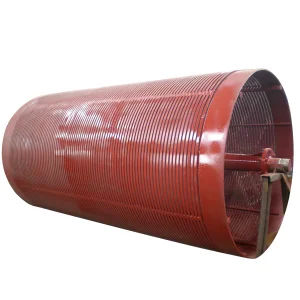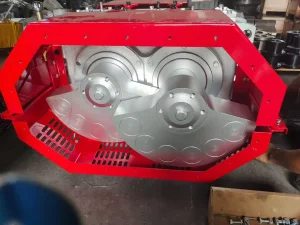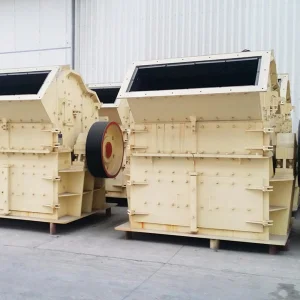
In the landscape of 21st-century industrial processing, the drum screen (or trommel screen) has transitioned from a simple mechanical separator to a high-precision, AI-integrated diagnostic tool within the circular economy. The primary drum screen purpose today extends beyond mere sorting; it is the cornerstone of material purity, resource recovery, and environmental compliance.
Global demand for sustainable waste management and efficient mineral extraction has catalyzed a new generation of wholesale drum screen factories. These facilities, like Henan Jinte Technology Co., Ltd., are now focusing on "Information Gain"—providing data-backed screening solutions that optimize throughput while minimizing energy consumption. Whether it's municipal solid waste (MSW), mining tailings, or chemical pellets, the drum screen serves as the first line of defense in quality control.
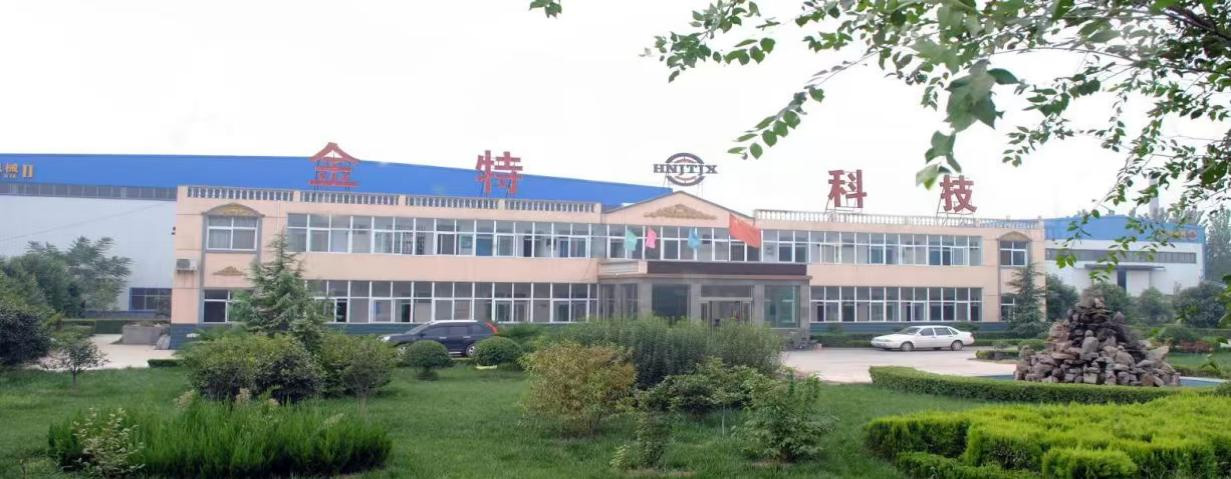
Henan Jinte Technology Co., Ltd. was officially registered and established in 2018. It has now developed into a mid-to-large-scale international enterprise specializing in the design and production of complete screening equipment, vibration equipment, and conveying products for sand and gravel production lines. The company also engages in machinery manufacturing, as well as the import and export of goods and technology.
Our company's products are exported to countries such as Iran, India, Central Africa, and Asia. The design of our products emphasizes the concepts of environmental protection and energy efficiency, with current technical standards meeting international benchmarks.
Drum screens are pivotal in converting waste-to-energy. By accurately separating organics from recyclables, factories achieve a 40% increase in downstream processing efficiency.
In high-density construction zones, mobile drum screens facilitate on-site recycling of aggregates, drastically reducing transport costs and carbon footprints.
Precision mesh designs allow for the recovery of rare earth elements from industrial slag, turning "waste" into high-value raw materials.
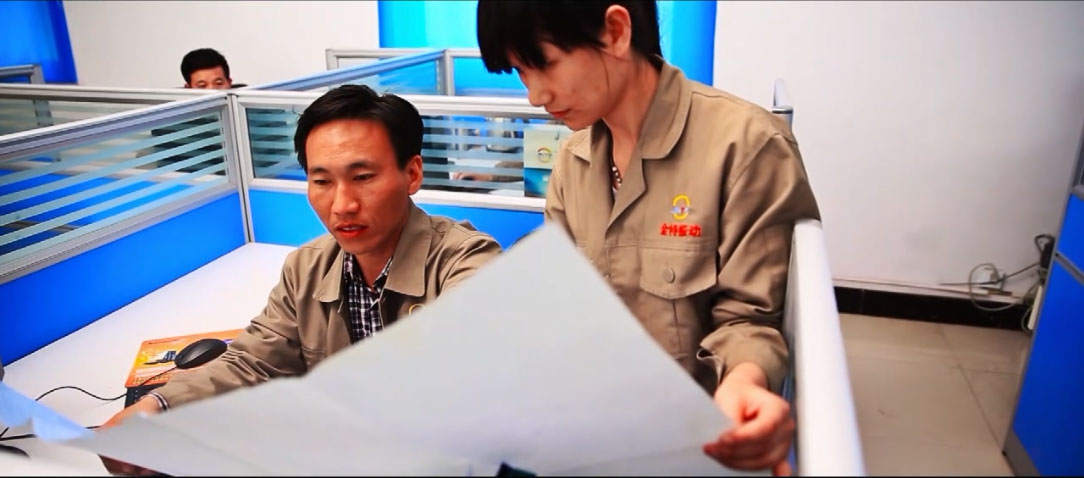
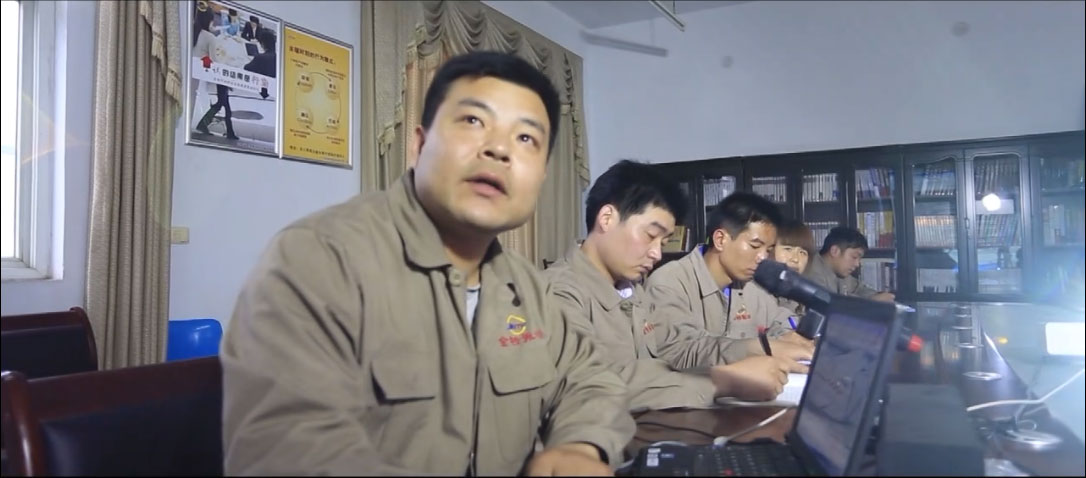
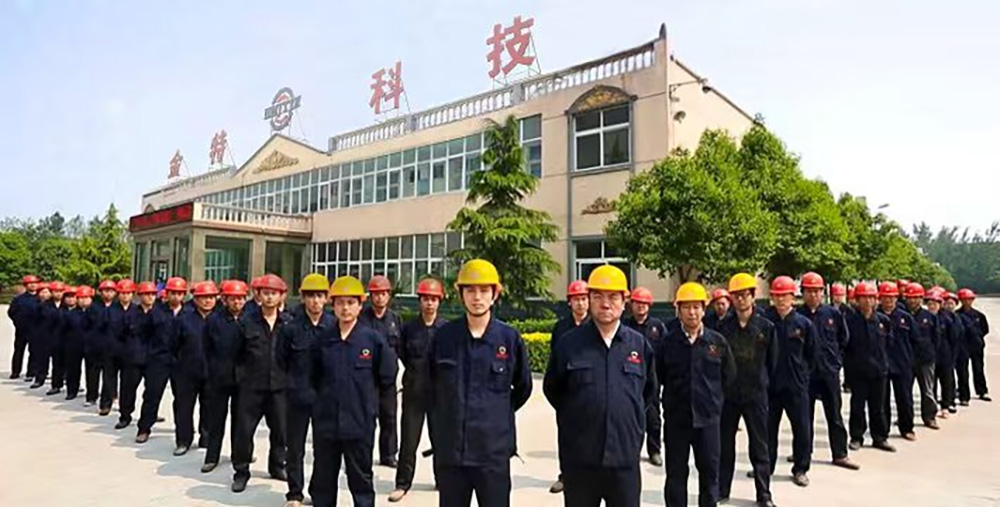
Our company has over 100 employees, including more than 45 technical and new product development teams. Located in the Xinxiang Economic Development Zone, Henan, China, we cover an area of 26,000 square meters, with a green area of 100,000 square meters—demonstrating our commitment to ecological manufacturing.
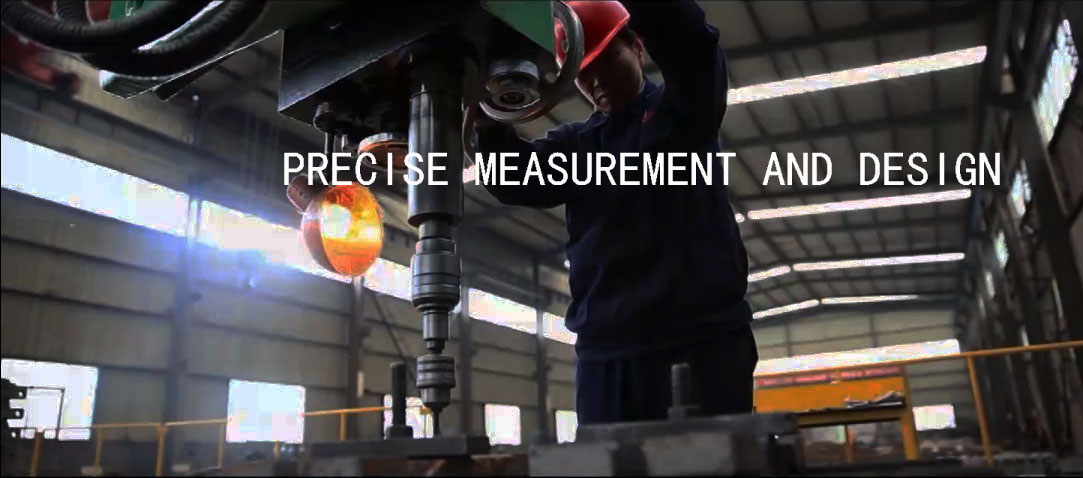
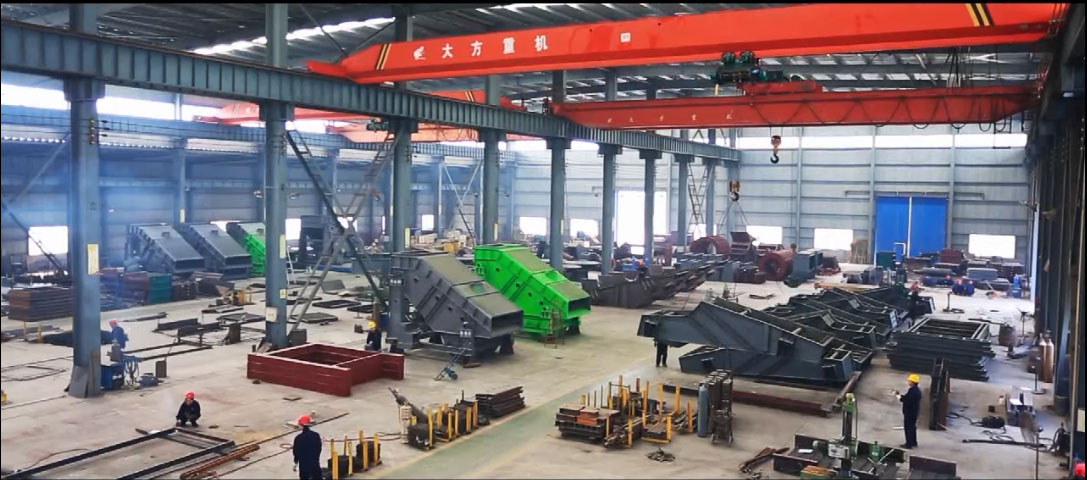
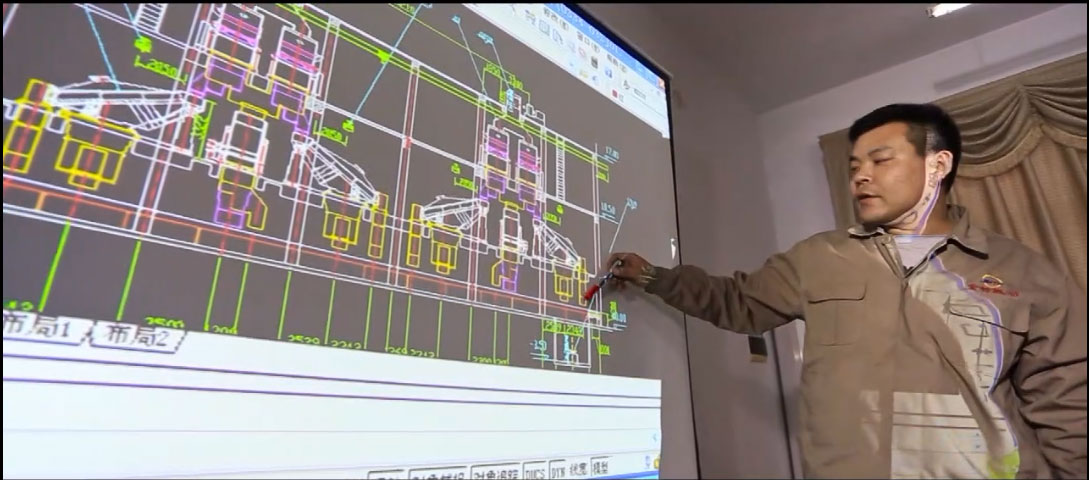
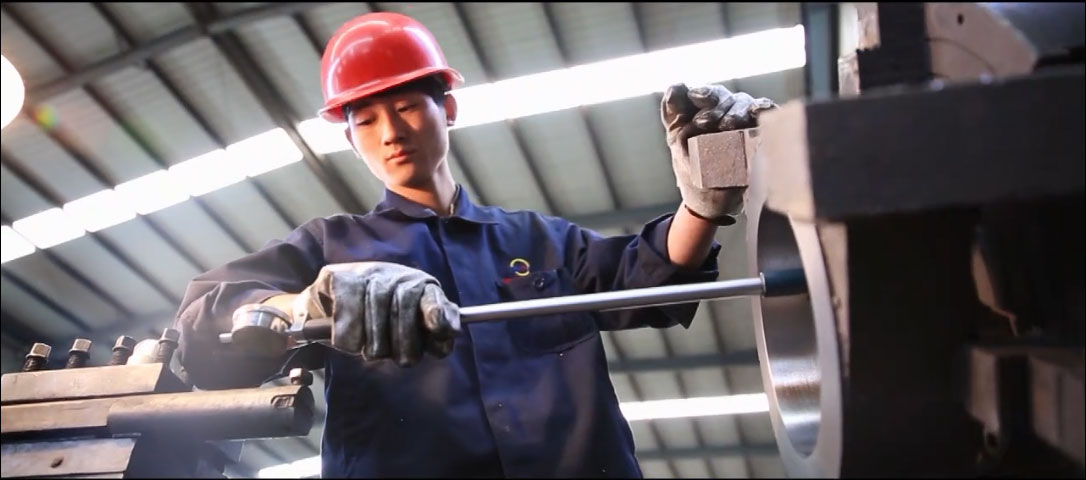
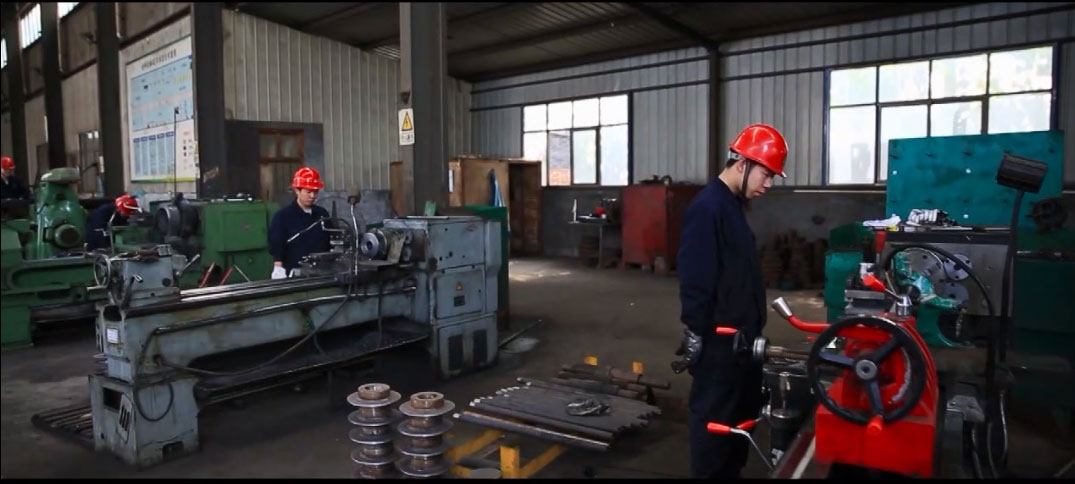
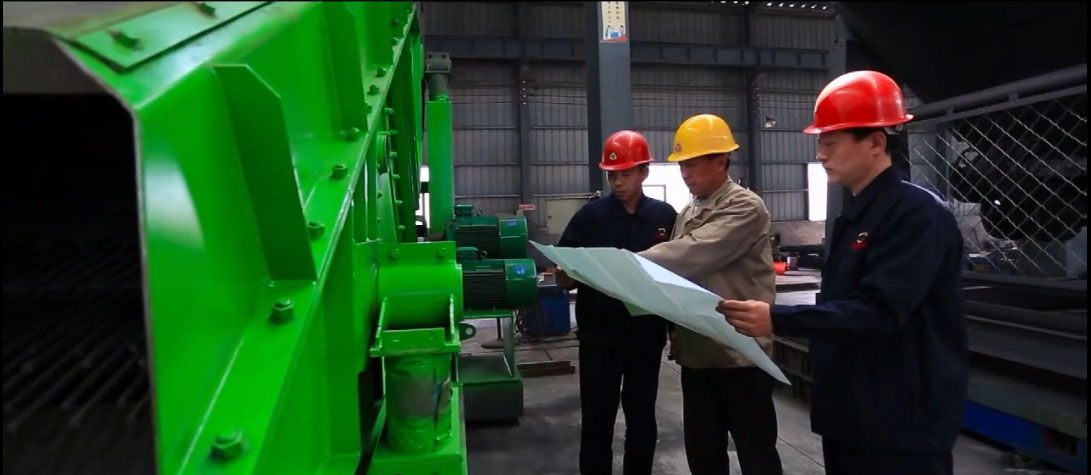
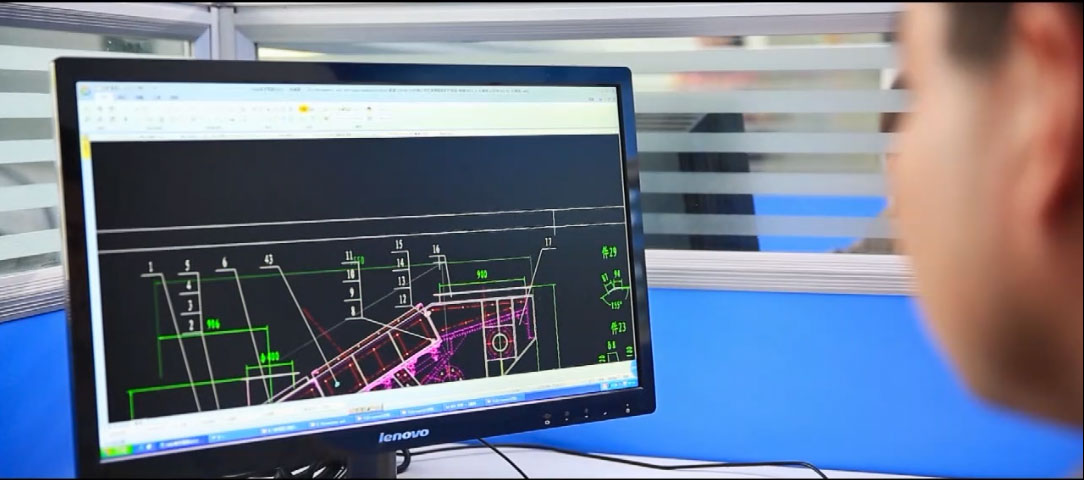
Our company has more than 80 sets of processing equipment such as forging, welding, lifting and testing, having advanced vertical CNC machining centers, CNC automatic flame cutting machines, and automatic shot blasting equipment. By utilizing international advanced CXAX 3D design software and finite element analysis, we ensure that every drum screen is optimized for structural integrity and harmonic balance.
The Future (2025-2030): We are currently developing IoT-enabled drum screens that provide real-time vibration analysis and screen-wear predictions directly to the operator's mobile device, preventing unscheduled downtime.
Engineered for high-impact loads. Using manganese steel drum plates to handle abrasive ores in Central African and Indian mining sites.
Specialized drum sieves for fertilizer and grain sorting, ensuring seed purity and preventing contamination in large-scale farms.
Sealed drum screens designed to contain dust and hazardous vapors, meeting strict EHS (Environment, Health, and Safety) standards in Asia and beyond.
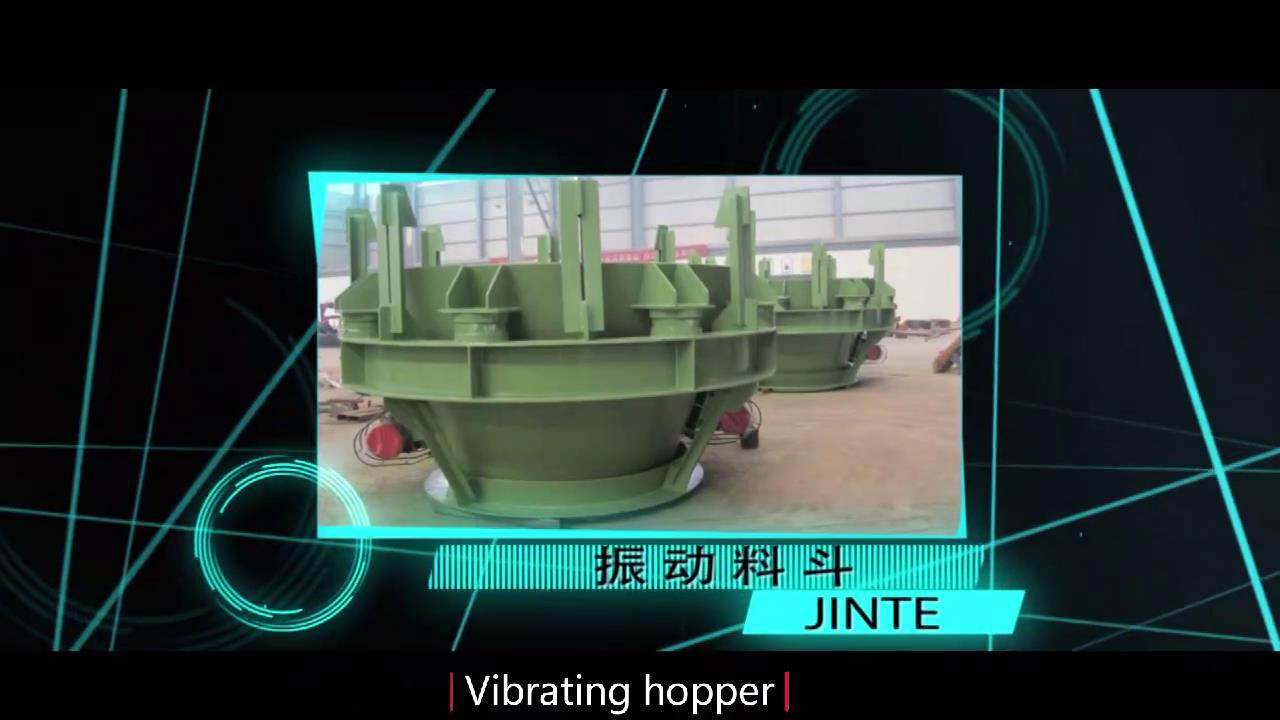
Understanding the cost of industrial screening equipment requires a deep dive into the Bill of Materials (BOM) and engineering complexity. As a direct factory, our pricelist is governed by:
Drum screens (trommels) use a lifting and dropping action combined with centrifugal force, which is superior for wet, sticky, or biodegradable materials that would clog a standard vibrating screen deck.
Key maintenance focuses on the support rollers and the cleaning brushes. Our SH-type screens include self-cleaning mechanisms to reduce manual intervention by 70%.
Yes, we provide custom motor configurations (50Hz/60Hz) and voltage regulators to ensure compliance with local electrical standards in Iran, India, and Africa.