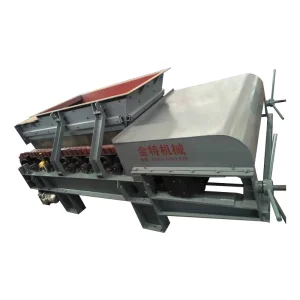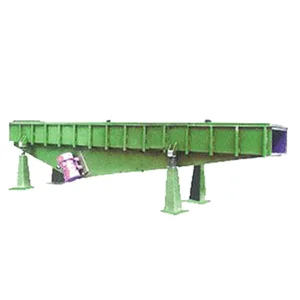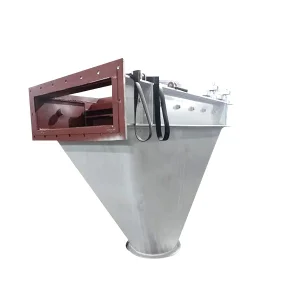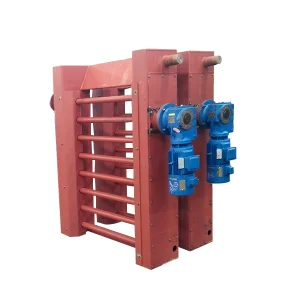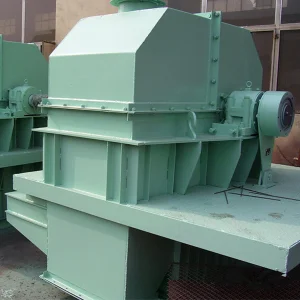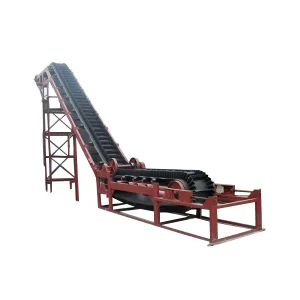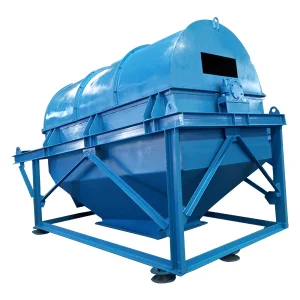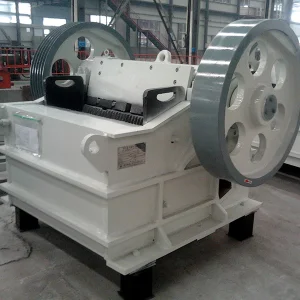
Engineered for heavy industrial operations, mining, metallurgy, and smart screening.
In modern heavy industries, the efficiency of powder, granular, and bulk solid logistics hinges directly upon the reliability of mechanical displacement systems. Auger conveyors (also widely classified as screw conveyors) represent the most fundamental, space-efficient, and thermally controllable mechanism for linear substance translation.
Whether transporting fly ash in thermal power generating stations, raw metallurgy additives, architectural sand-gravel aggregates, or highly sensitive chemical formulations, optimized auger geometries dictate processing speeds. Achieving operational equilibrium requires meticulous alignment of screw pitch, trough depth, rotational velocity, and structural alloys.
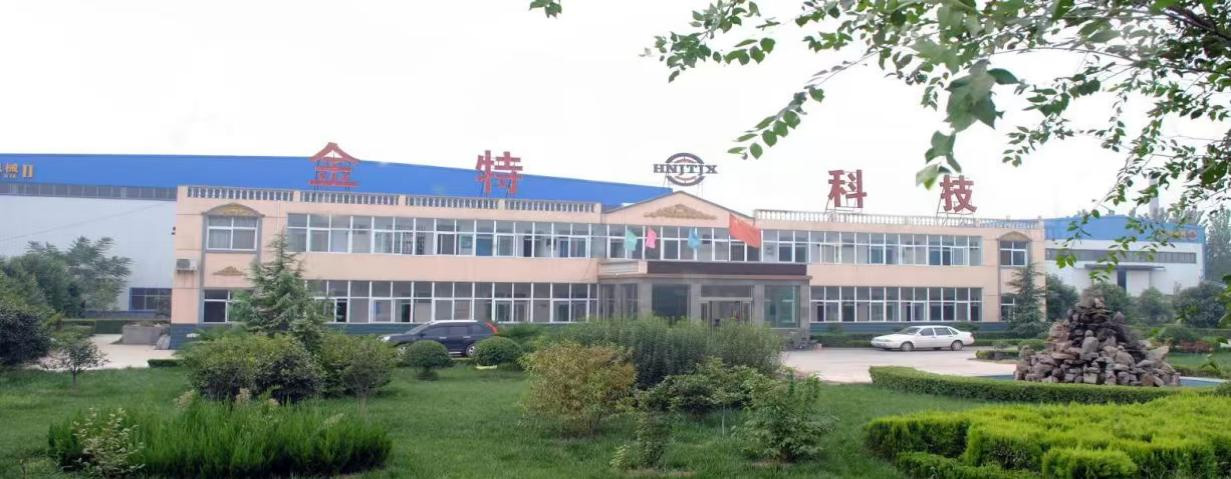
Established as an international heavyweight in vibration, screening, and material conveying systems, Henan Jinte Technology Co., Ltd. represents the absolute pinnacle of Chinese heavy-machinery engineering and export capabilities.
Henan Jinte Technology Co., Ltd. was officially registered and established in 2018. Over the intervening years, it has rapidly matured into a mid-to-large-scale international enterprise. We specialize in the end-to-end design, stress testing, and production of complete screening equipment, vibration apparatus, and bulk conveying products. Our systems are the foundations of sand and gravel production lines, ore mining setups, and industrial material processing units worldwide.
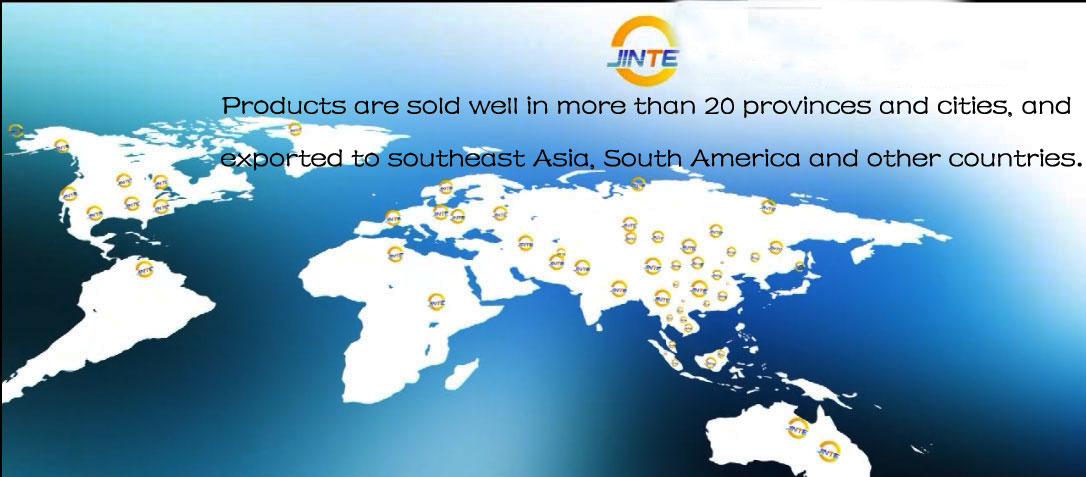
Our export operations span globally, delivering reliable equipment to countries such as Iran, India, Central Africa, and the wider Asian market. By focusing on environmentally conscious, energy-efficient designs, our technical deliverables meet and exceed international benchmarks.
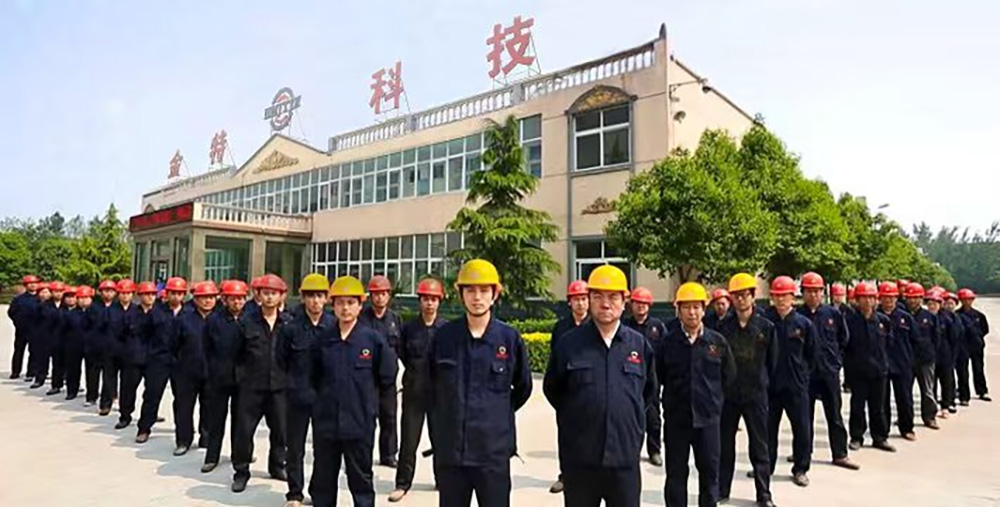
Our workforce consists of over 100 highly skilled employees, featuring a dedicated core of more than 45 engineering and new-product development specialists. This high proportion of R&D talent ensures we remain pioneers rather than followers.
Regardless of where your facilities are situated, we can rapidly construct a professional service and deployment group to meet technical needs. Our teams remain on high alert to resolve operational challenges with military precision, and our workforce undergoes continuous training to stay ahead of international market trends.
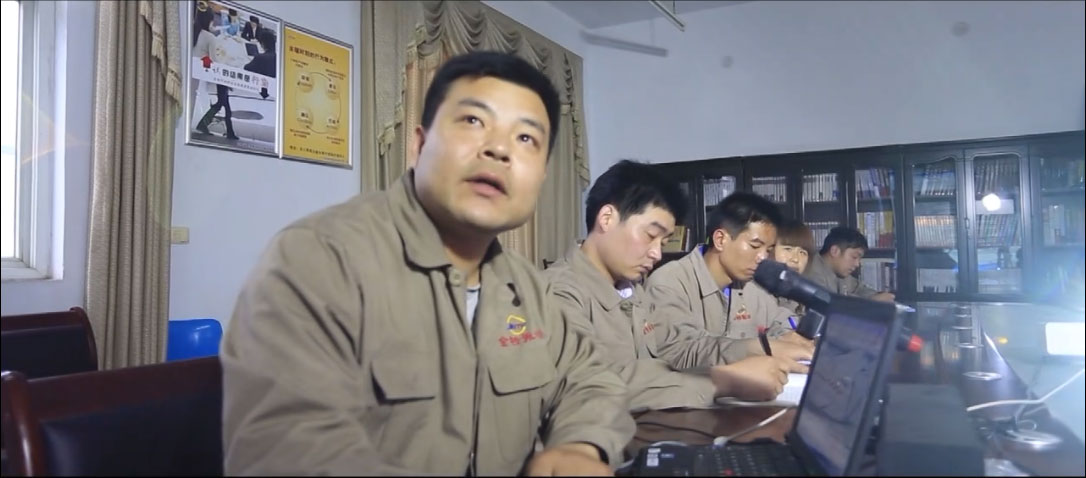
A window into our advanced production lines, logistics warehouses, and engineering offices.
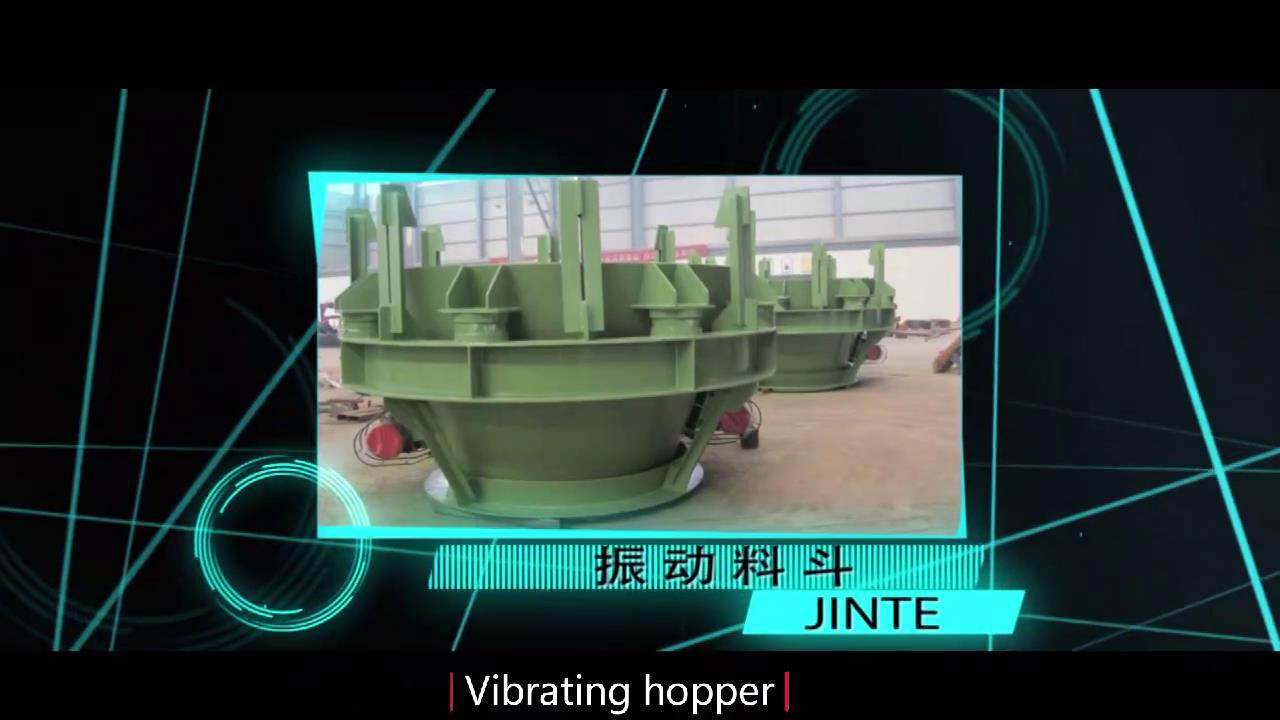
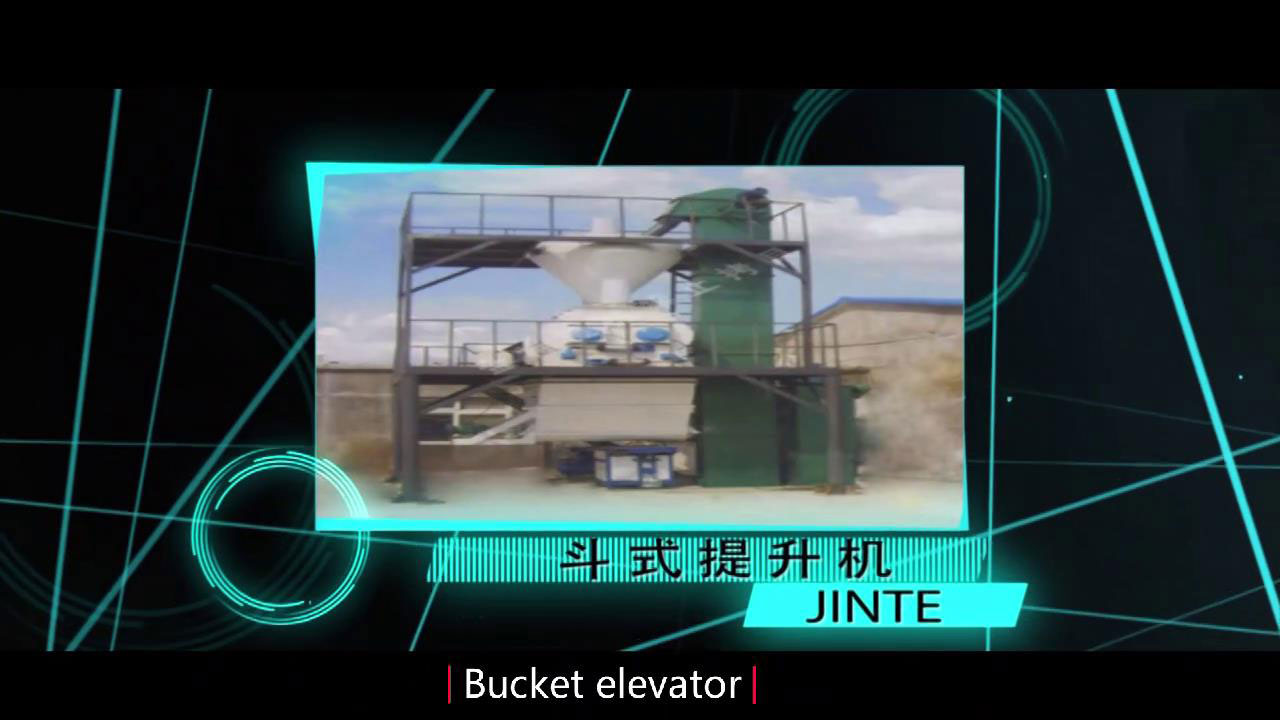
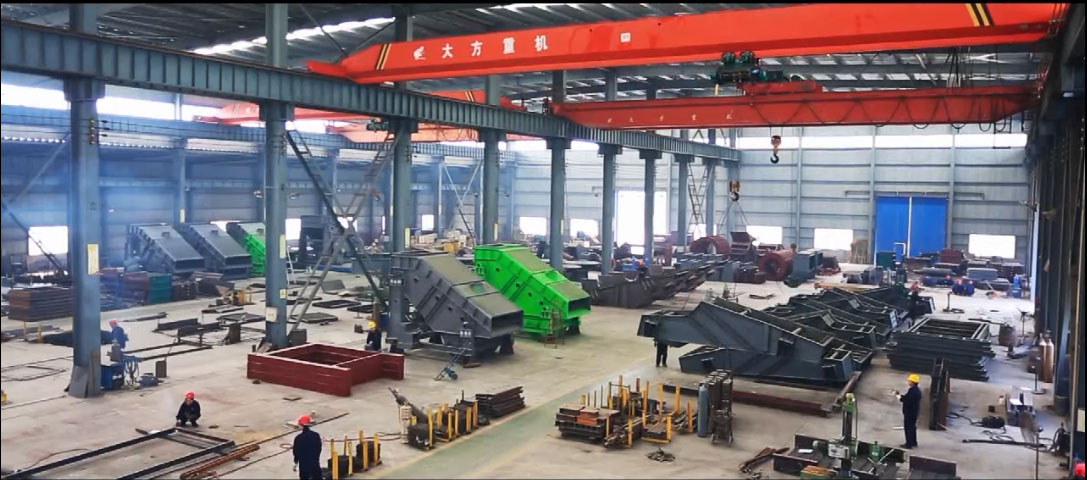
Henan Jinte Technology Co., Ltd. manufactures vibrating screens, their supporting apparatus, and comprehensive bulk material transportation lines. Our equipment is widely integrated across metallurgical complexes, coal gasification and mining facilities, building materials processing plants, ceramic works, chemical plants, and tailings filtration sectors.
Our catalog spans more than 700 individual machine designations:
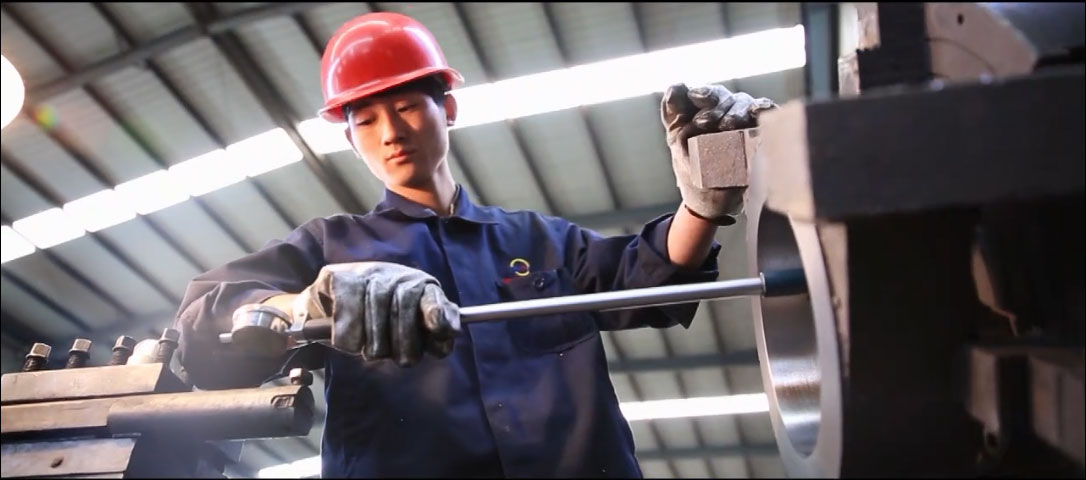
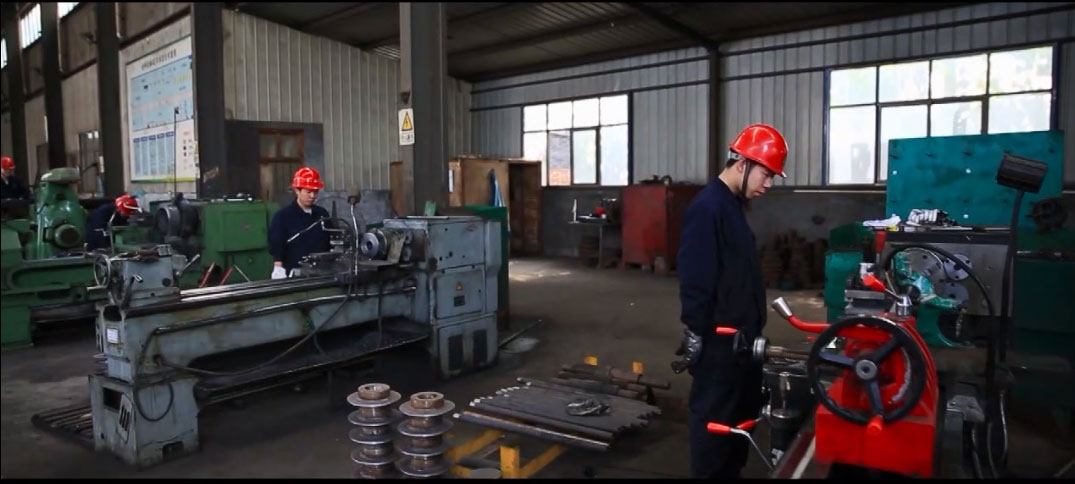
Located in the Xinxiang Economic Development Zone, Henan Province, China, our manufacturing facilities span a total footprint of 26,000 square meters, featuring 25,000 square meters of highly automated factory space.
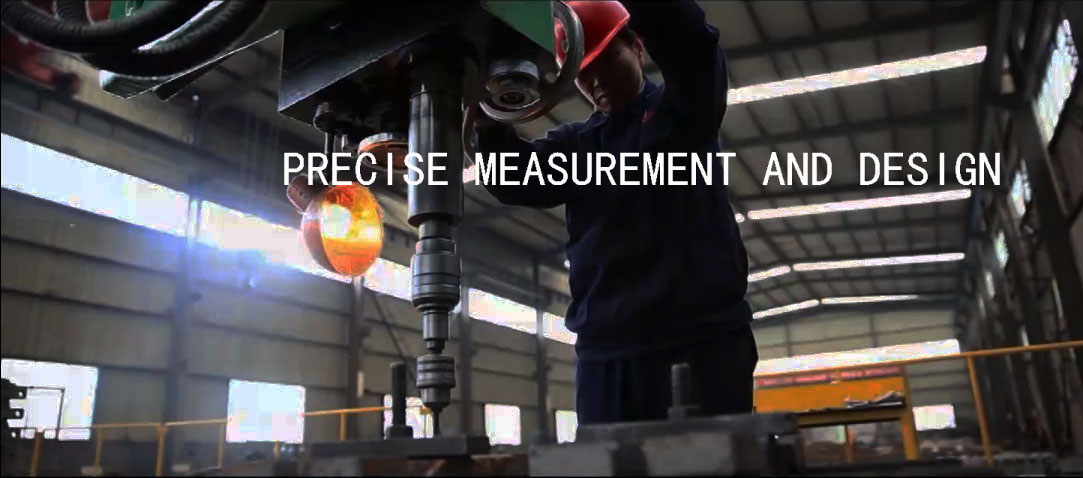
We house over 80 specialized processing stations spanning forging, automatic arc welding, mechanical lifting, and stress testing. This features:
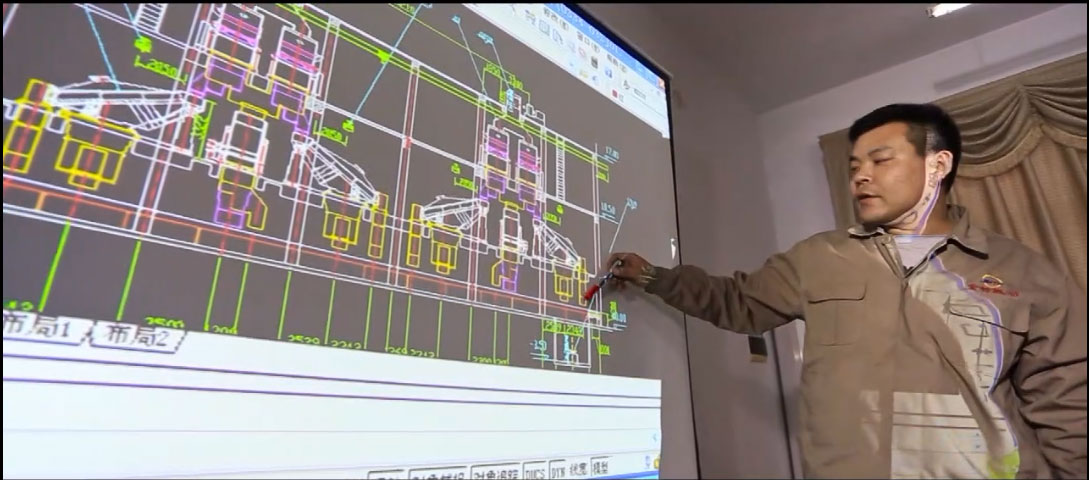
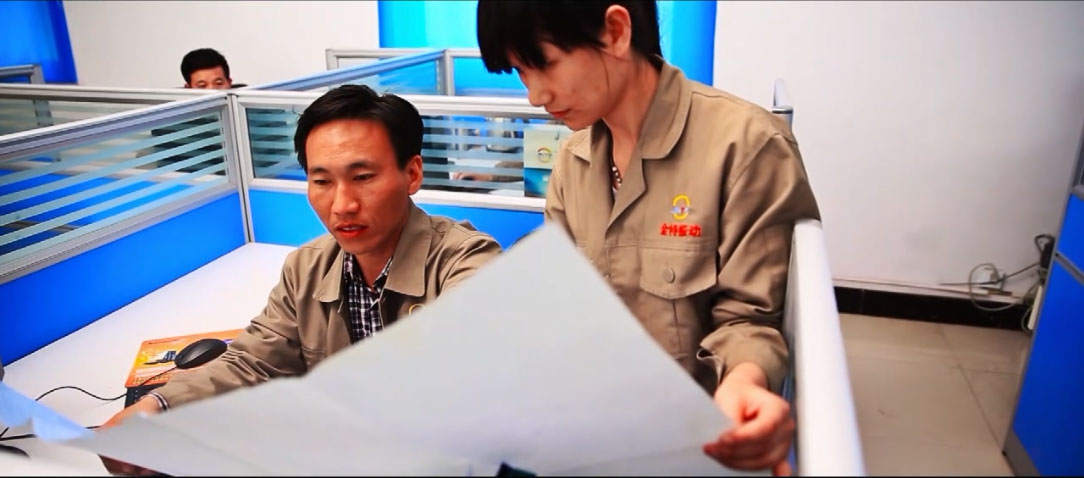
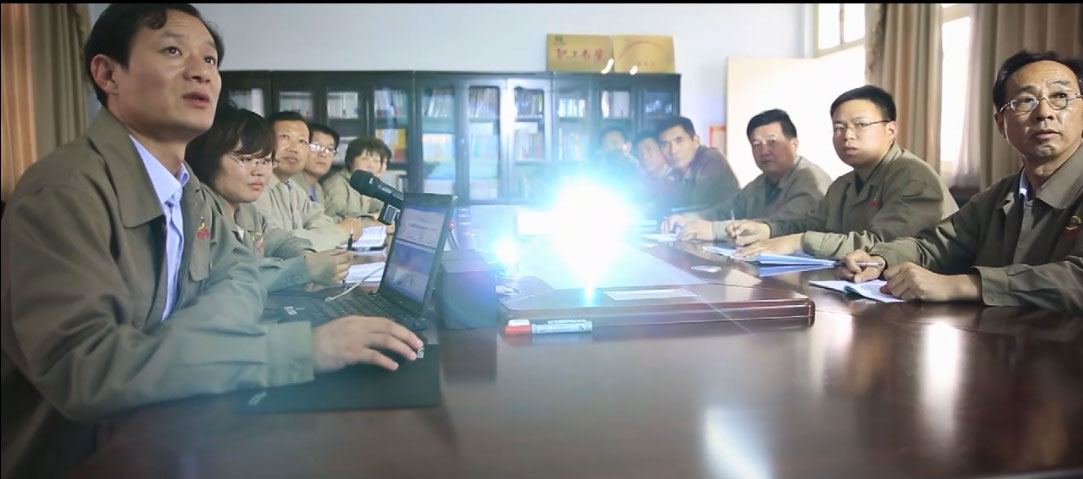
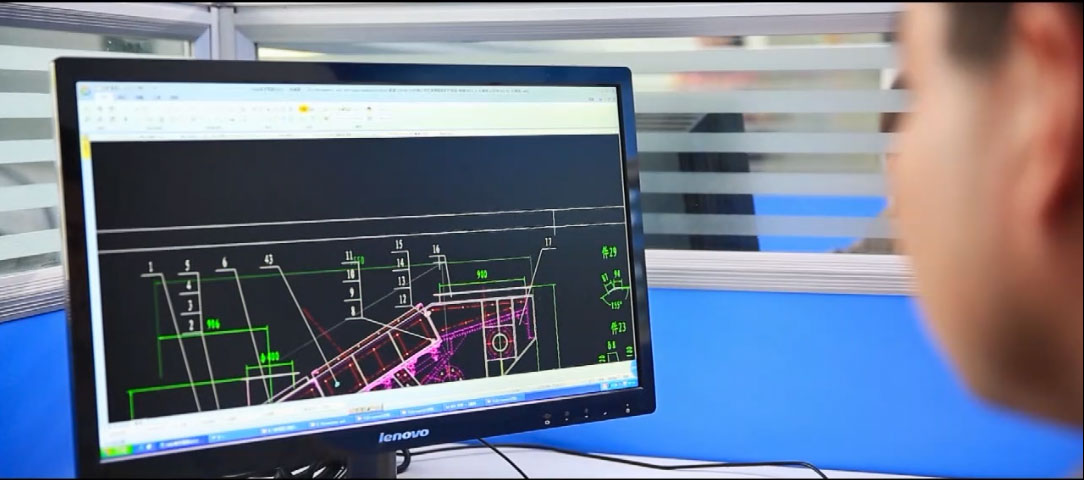
Our structural engineers deploy CXAX 3D design software alongside advanced Finite Element Analysis (FEA) engines. By creating comprehensive virtual models of screw flights and trough casings, we simulate operational torsional stresses and resonant frequencies before fabricating a single component.
The design institute operates two enterprise-grade local servers, 18 engineering microcomputers, and heavy-format color plotters/blueprinting units. This setup accelerates drawing revisions and guarantees precision alignments across all custom flange fittings and gearboxes.
As primary elements in industrial bulk logistics, the global demand for custom-fabricated auger systems is expanding rapidly. Driven by digital automation and strict green factory regulations, screw conveyor configurations are evolving far beyond simple mechanical tubes.
Strict CEMA (Conveyor Equipment Manufacturers Association) standards govern the design of augers in these regions. The current engineering focus centers on high dust containment, gas-tight operations for volatile powders, and food/pharmaceutical grade finishes. Stainless steel screw conveyors with mirror-polished flights (304, 316L) are standard, ensuring zero chemical contamination and easy cleaning procedures.
Massive investments in road networks, concrete mixing installations, coal power infrastructure, and chemical manufacturing drive high demand. The need centers on heavy carbon-steel screw conveyors with high volumetric throughput capacities. Durability under constant high abrasive stress is the main parameter for APAC plant managers.
Handling highly abrasive mineral concentrates, metallic sands, and tailing residues requires rugged equipment. Here, screw conveyors utilize hard-faced flighting (e.g., tungsten carbide coatings) and heavy-walled casings to resist wear from continuous, abrasive friction.
Selecting the correct auger requires matching the physical and chemical characteristics of your materials with the right mechanical components.
Shafted Screw Conveyors: These represent the standard industry solution. The helical flighting is welded directly onto a solid or heavy-wall pipe core. It offers high torsional rigidity, making it ideal for long-distance horizontal conveying and controlled-metering applications.
Shaftless Screw Conveyors: Designed to process sticky, cohesive, wet, or stringy materials that would wrap around a central pipe core. The single spiral is supported on a low-friction wear liner (typically Ultra-High-Molecular-Weight Polyethylene or specialized bronze/alloys) inside the trough bottom, preventing material buildup and clogging.
The choice of construction material determines the operational lifespan and maintenance cycles of your equipment.
| Material Alloy | Core Characteristics | Primary Applications |
|---|---|---|
| Carbon Steel (Q235B / Q355) | Cost-effective, high structural strength, easy to weld. | Cement clinker, sand, coal dust, aggregates. |
| SUS304 Stainless Steel | Excellent corrosion resistance, easy washdowns. | Chemical powders, food manufacturing, salt. |
| SUS316L Stainless Steel | High acid/alkali resistance, prevents pitting. | Corrosive chemicals, pharmaceuticals. |
| Hardox / Wear-Resistant Steel | Extremely high surface hardness (400-500 HBW). | Quartz dust, crushed ore, highly abrasive mining slimes. |
Because screw conveyors are customized for specific engineering layouts, a simple, static pricelist cannot cover every requirement. However, understanding the main cost variables helps project managers estimate procurement budgets accurately.
Standard sizes run from 100mm (4 inches) up to 600mm (24 inches) and larger. Increasing the casing thickness (e.g., from 4mm to 10mm wall thickness) to handle heavy minerals directly impacts the raw material cost.
The motor power rating (HP/kW) and gearbox efficiency class (IP55/IP66, explosion-proof classes) dictate drive costs. Incorporating Variable Frequency Drives (VFD) for adjustable flow rates adds to the initial budget.
For dusty or corrosive environments, shaft seal design is critical. Packing glands, air-purged seals, or mechanical seals prevent material leaks and extend bearing life, but require a higher upfront investment.
| Conveyor Type | Diameter (mm) | Material | Standard Length Range | Estimated Base Price (FOB, USD) |
|---|---|---|---|---|
| LS Series (Trough-type) | 150 - 200 | Carbon Steel | 3m - 12m | $1,500 - $3,200 |
| LS Series (Heavy Trough) | 300 - 450 | Carbon Steel + Hardened Flights | 4m - 18m | $4,200 - $8,500 |
| Stainless Steel Food Grade | 150 - 250 | SUS304 Polished | 2m - 10m | $3,800 - $7,900 |
| Tubular Flexible Screw | 100 - 200 | UHMWPE Tube + SS Screw | 3m - 15m | $2,200 - $5,400 |
| Heavy Duty Mining Screw | 500 - 800 | Hardox Liner / Manganese Steel | 6m - 20m | $12,000 - $28,000 |
*Note: The prices listed above are reference estimates for basic packages. Final price quotes depend on motor brand specifications, actual layouts, incline angles, and structural seals. Contact our sales department for an itemized quotation.
As smart factories become the standard, material conveying technology is integrating digital sensors and advanced materials to improve efficiency and reduce downtime.
Modern installations feature integrated vibration sensors and temperature probes on the main bearing blocks. By tracking changes in bearing temperatures and vibration frequencies, maintenance teams can identify potential mechanical wear or shaft misalignment before an unexpected failure halts production.
Extending the lifespan of screw flights in abrasive environments is a primary research focus. Applying tungsten carbide overlays through thermal spraying or hardfacing welding creates a protective barrier that can double or triple flight life in mining and cement operations.
Every material handling application requires a specific setup to balance throughput, energy consumption, and equipment life.
Transporting pulverized coal or fly ash requires dust-tight, spark-safe designs. The systems are designed to seal in fine dust particles, prevent atmospheric dust leaks, and safely handle high processing temperatures.
Conveying hot sinter mix requires heavy-duty components. By using thick-walled alloy troughs, heat-resistant bearings, and high-torque gearboxes, the conveyors can process heavy, hot, and abrasive metallurgical materials without warping.
Processing fine chemical powders or ceramic clays requires zero leakage and easy cleaning. Standard configurations use polished stainless steel housings and adjustable split gland seals to prevent powder loss and protect materials from external contamination.
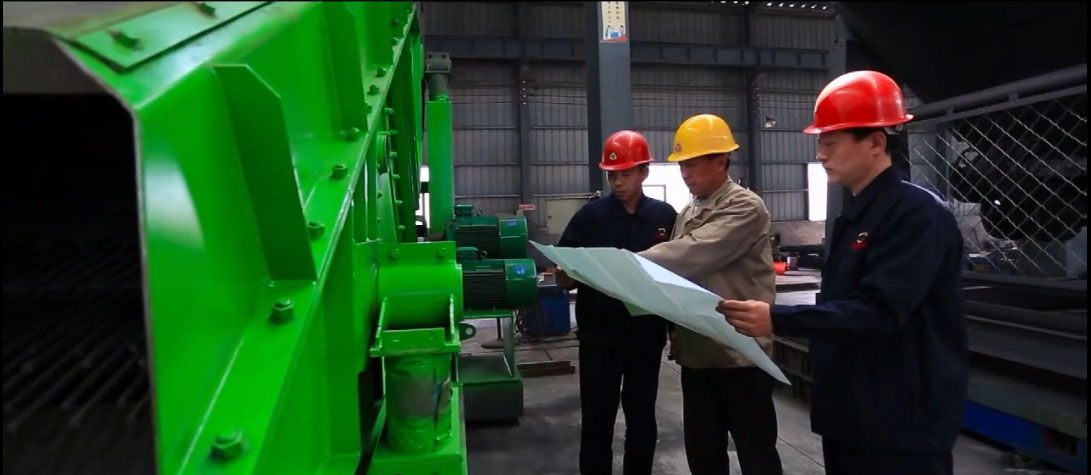
Every screw shaft fabricated at Henan Jinte Technology undergoes dynamic balancing to prevent vibration and minimize stress on the bearing housings. Our QC team checks weld penetration, alignment tolerances, and assembly clearances before packing. This rigorous inspection process ensures smooth installation, reliable startup, and a long operational lifespan in the field.
Find answers to common engineering and sourcing questions about screw conveyor design and performance.
Capacity depends on the conveyor's diameter, the pitch of the screw flights, rotational speed (RPM), and the filling ratio of the material inside the trough. For free-flowing, non-abrasive materials, the trough filling ratio can be up to 45%. For heavy, highly abrasive ores and minerals, the filling ratio is typically limited to 15% to 30% to reduce component wear.
Choose a shaftless design for wet, sticky, or stringy materials (such as municipal sludge, organic waste, or wet clay) that easily wrap around or build up on a central pipe. Since there is no central shaft, these materials flow through the conveyor without blocking it.
As the conveyor's angle of incline increases, its efficiency drops. Gravity causes material to fall backward over the flights, reducing throughput. Operating at steep angles requires modified flight pitches, higher drive power, or enclosing the screw in a tubular housing.
We use wear-resistant materials like Hardox or high-manganese steel for the trough liners, increase the thickness of the flight edges, and apply hard-faced weld overlays (like tungsten carbide) to the wear areas to extend conveyor service life.
Tubular housings enclose the material completely, preventing dust leaks and allowing operations under positive or negative air pressure. They are ideal for handling fine, toxic, or dusty powders that must be contained for environmental or safety reasons.
Our logistics and technical support network ensures safe, timely deliveries to processing plants around the globe.
Ensure operational continuity with OEM damping components, custom vibrators, and specialized feeders.