As the global demand for seafood escalates, the aquaculture industry is undergoing a paradigm shift toward precision farming. Central to this evolution is the mechanism of feed delivery. A China Belt Feeder Aquaculture Manufacturer like Henan Jinte Technology Co., Ltd. is no longer just a hardware supplier but a critical partner in optimizing Feed Conversion Ratios (FCR). In industrial mariculture and large-scale inland ponds, the accuracy, reliability, and durability of belt feeders directly correlate with biomass growth and environmental sustainability.
This white paper explores the synergy between heavy-duty engineering—traditionally applied in mining and metallurgy—and the delicate requirements of aquaculture logistics. By leveraging advanced vibration technology and precision conveying, we bridge the gap between industrial capacity and biological necessity.
The global aquaculture market, projected to reach a valuation of over $245 billion by 2027, is increasingly reliant on automation. From the salmon cages of Norway to the shrimp farms of Southeast Asia, the need for Belt Feeder Aquaculture systems is rising. Traditional manual feeding is being replaced by automated belt-driven systems that ensure uniform distribution, reducing waste and water toxicity.
Significant shift toward Recirculating Aquaculture Systems (RAS) which require synchronized feeding and filtration modules.
Demand for anti-corrosive materials (SS316L) to withstand saline environments in offshore marine operations.
Integration of IoT sensors on belt feeders to monitor feed levels and distribution frequency in real-time.
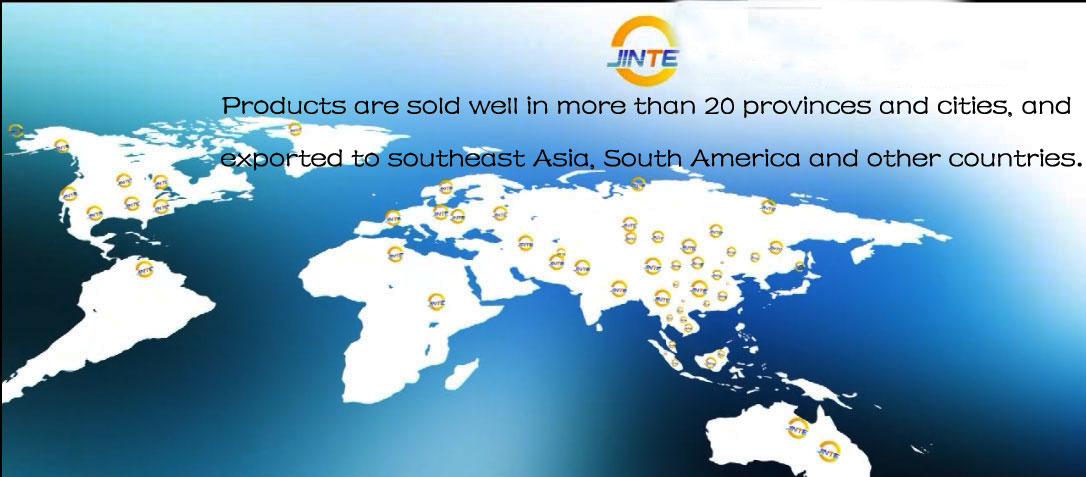
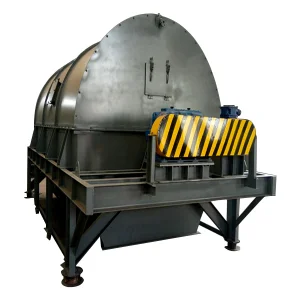
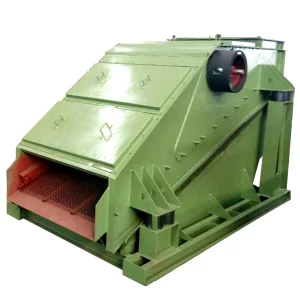
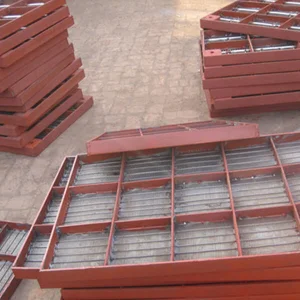
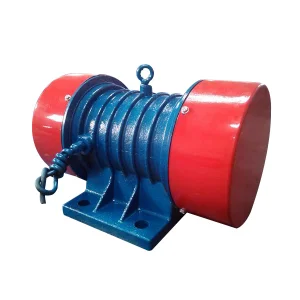
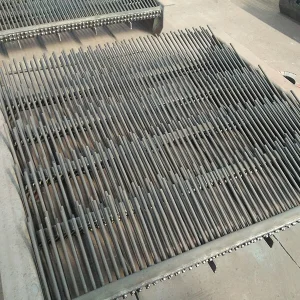
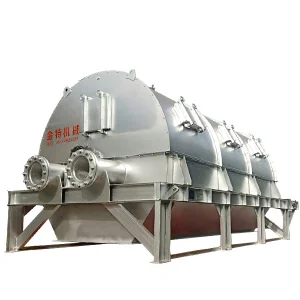
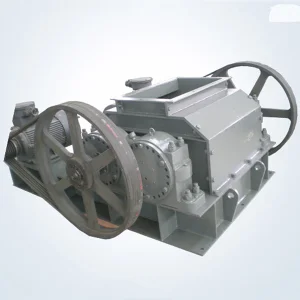
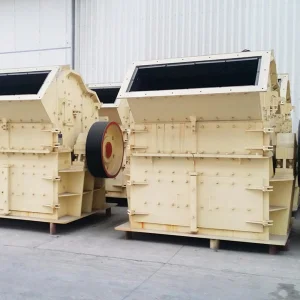
Officially registered and established in 2018, Henan Jinte Technology Co., Ltd. has rapidly evolved into a mid-to-large-scale international enterprise. We specialize in the design and production of complete screening equipment, vibration equipment, and conveying products. Our manufacturing roots extend back to 2000, giving us two decades of industrial expertise.
Our company's products are exported to countries such as Iran, India, Central Africa, and Asia. The design of our products emphasizes the concepts of environmental protection and energy efficiency, with current technical standards meeting international benchmarks and maintaining a leading position in the vibration machinery industry.
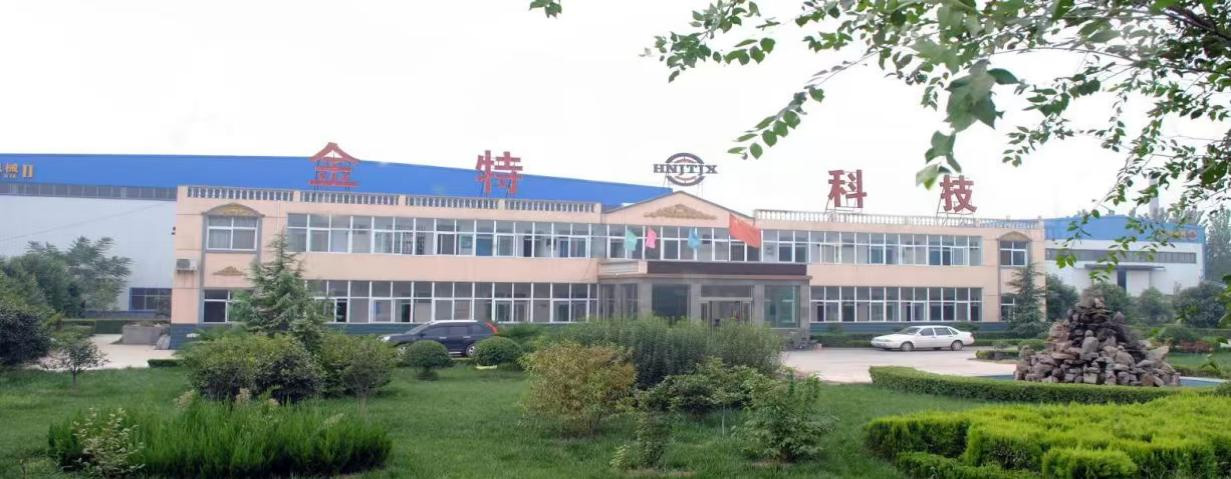
China's manufacturing sector, particularly in Henan's industrial clusters, offers an unparalleled advantage in supply chain integration and rapid prototyping. At Henan Jinte, our efficiency is driven by:
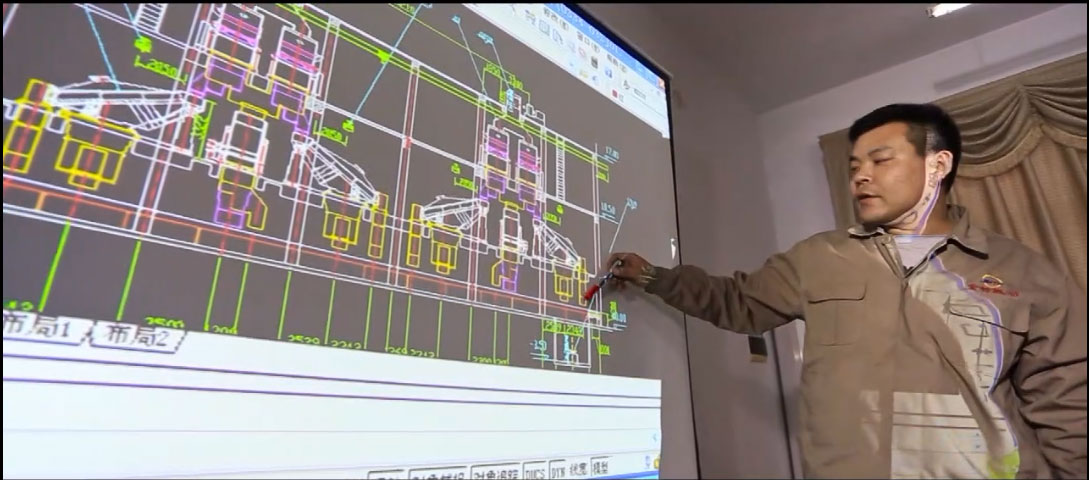
Using international advanced CXAX 3D design software and finite element analysis (FEA) software to describe equipment in stereo and analyze structural integrity before fabrication.
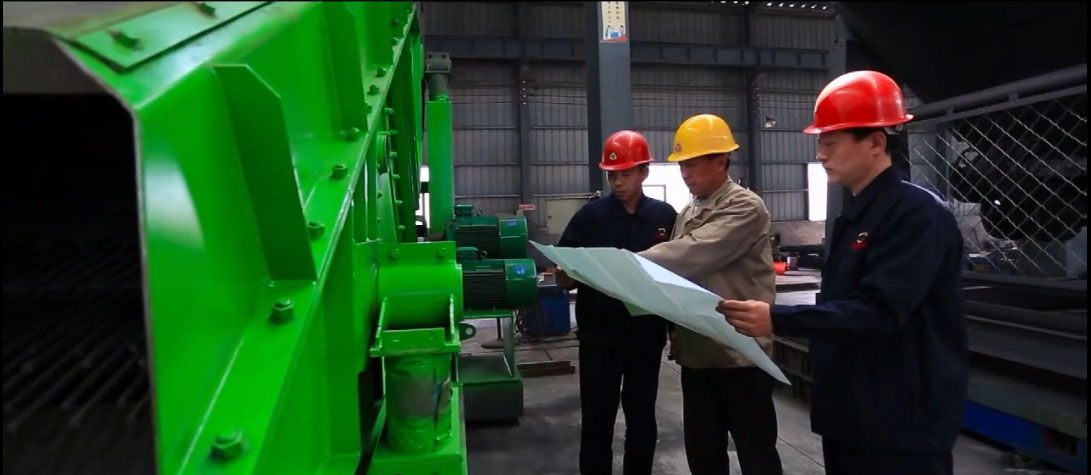
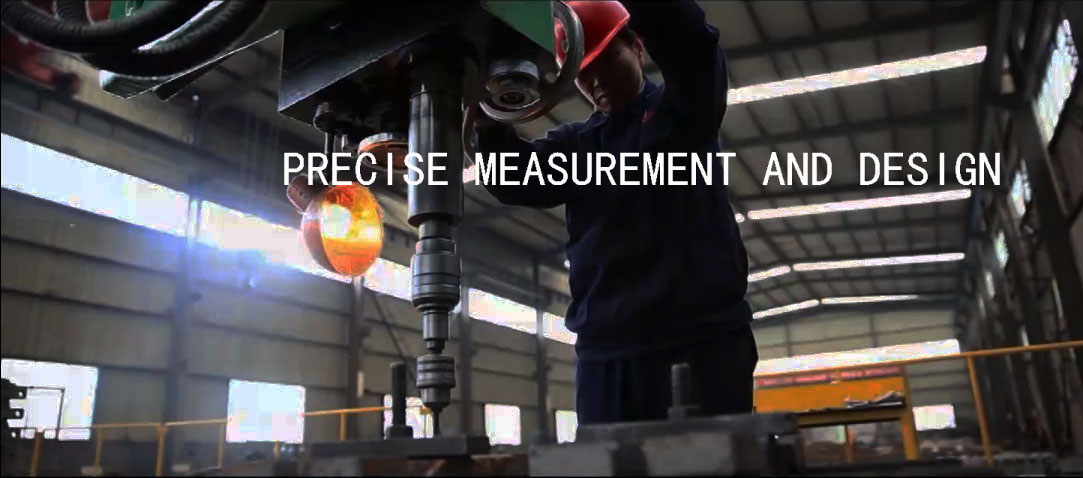
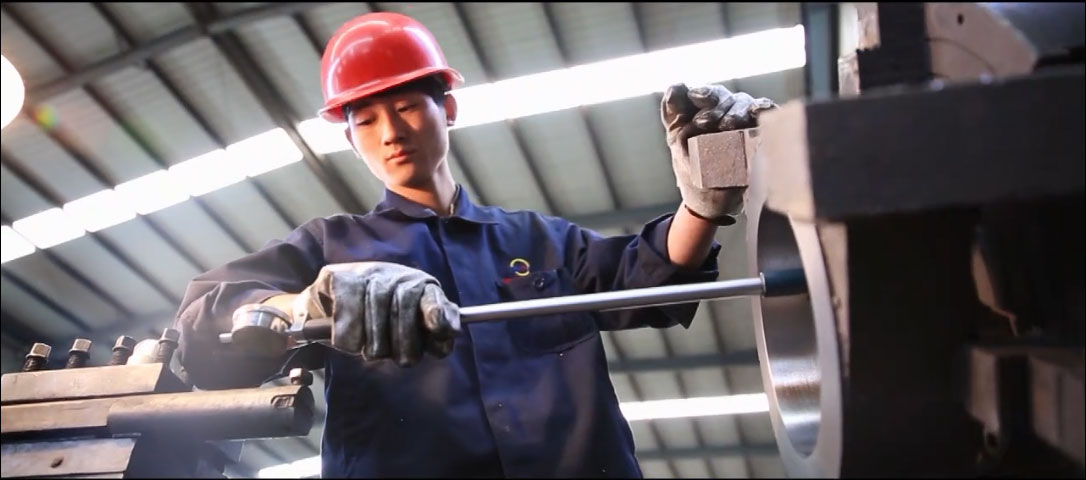
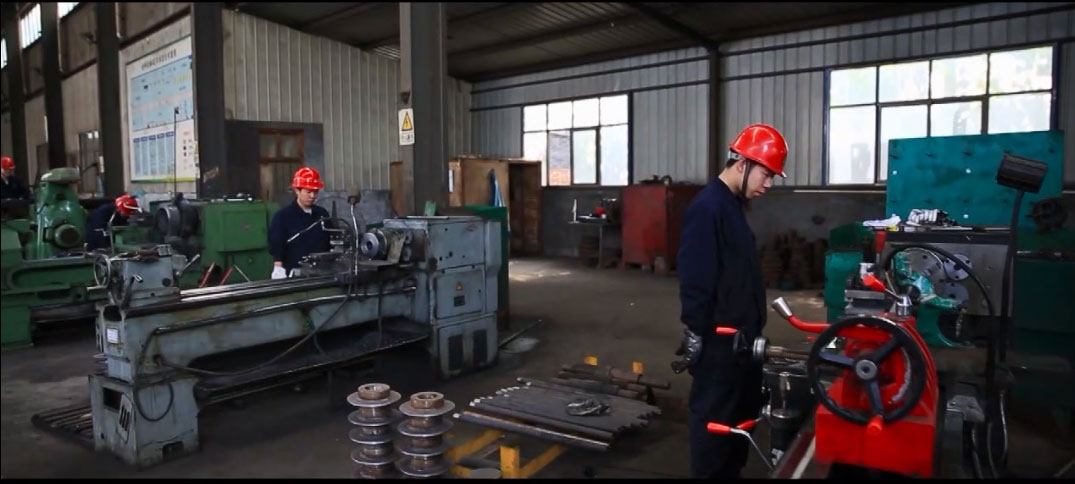
Equipped with 80+ sets of processing tools, including vertical CNC machining centers, automatic flame cutting machines, and CNC bending equipment.
Automatic shot blasting and advanced coating systems ensure that our belt feeders resist the harsh humidity and salinity of aquaculture sites.
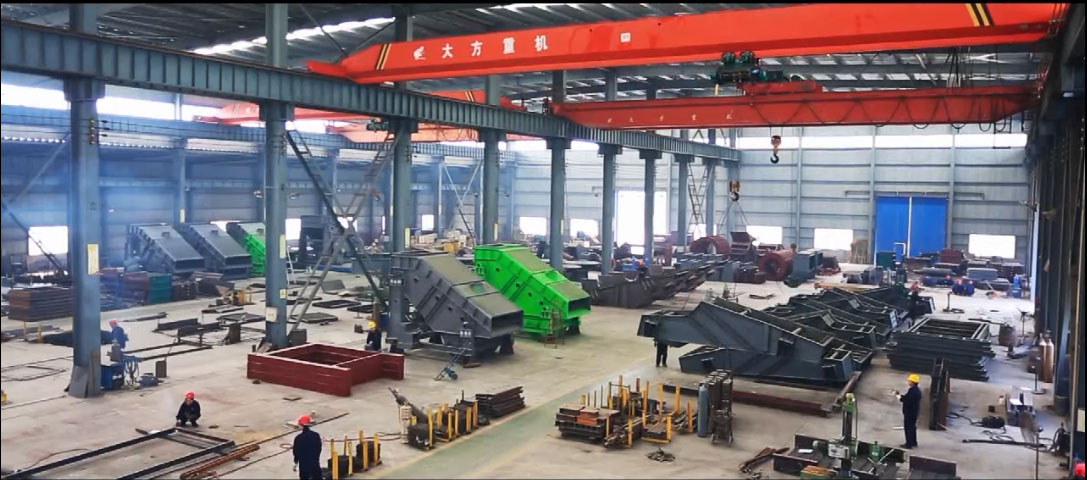
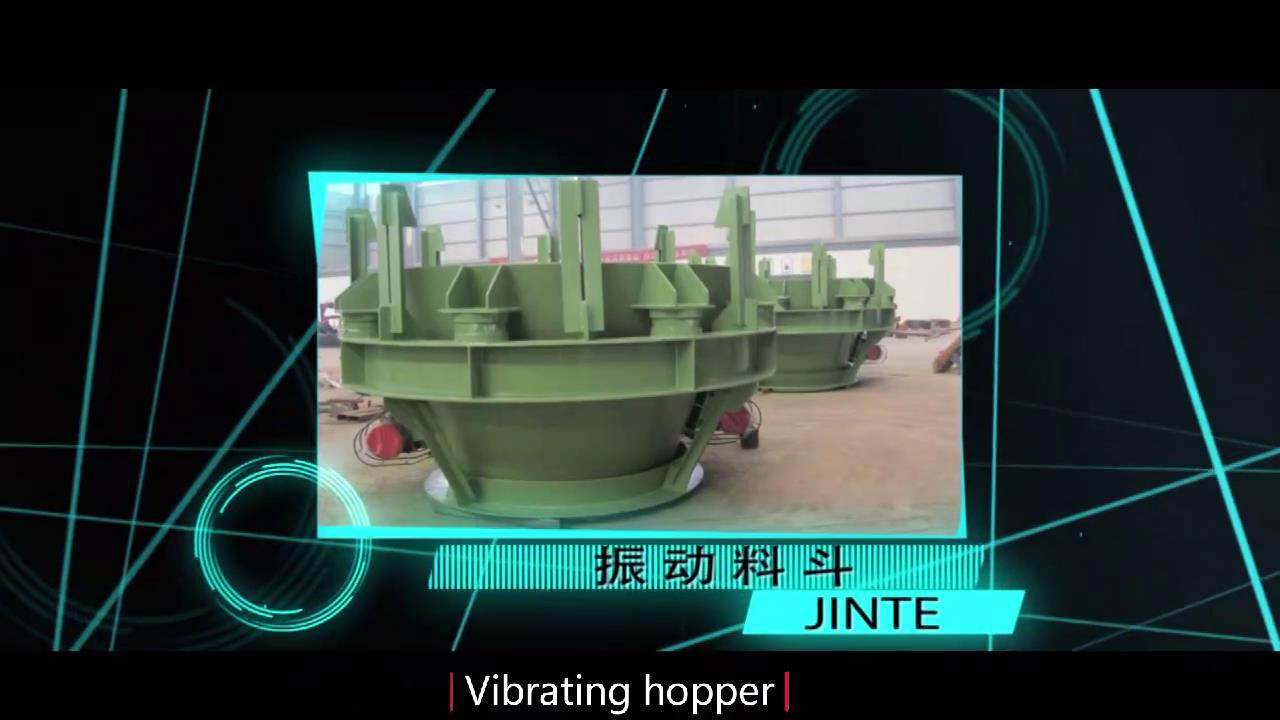
While we are a premier China Belt Feeder Aquaculture Manufacturer, our portfolio spans over 700 varieties of equipment. Our machinery serves metallurgy, electric power, mining, coal, and chemical industries, providing a robust foundation for the specialized needs of aquaculture.
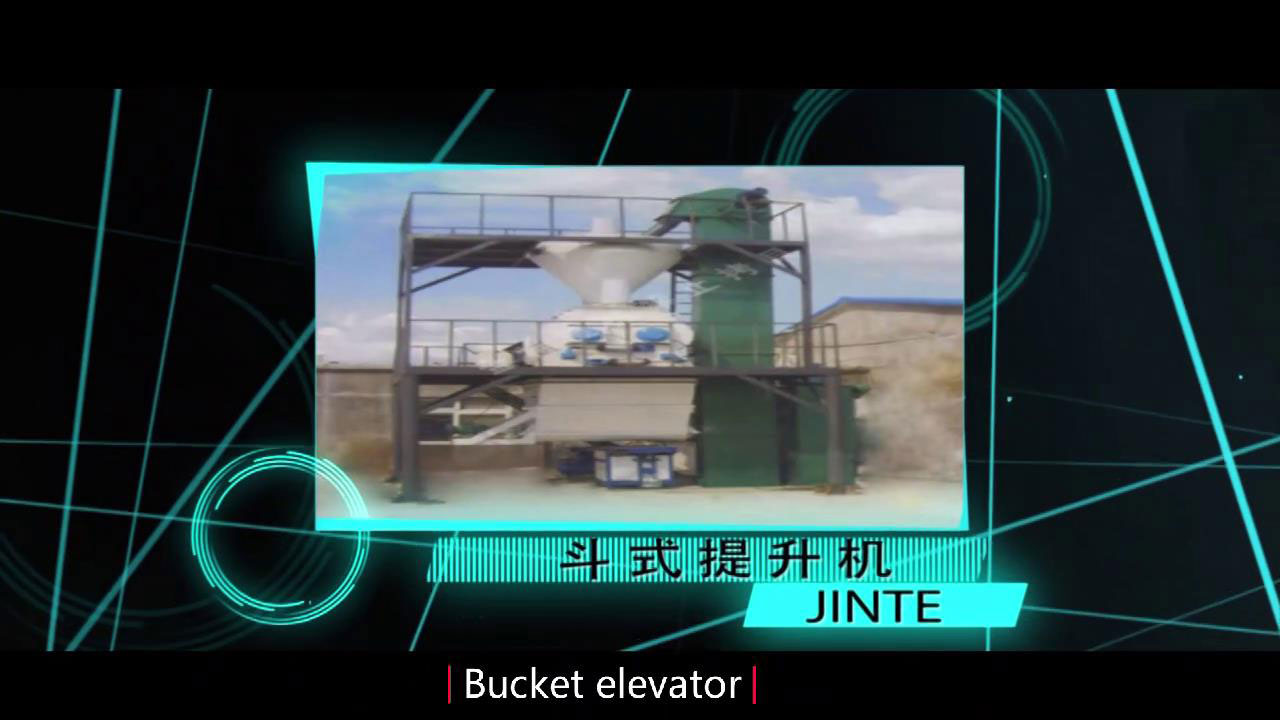
Implementing a belt feeder system requires understanding the local environment. Our engineering team designs for diverse scenarios:
In regions like Southeast Asia and Central Africa, where pond temperatures can fluctuate, our feeders are optimized for high-volume, timed delivery to ensure all fish reach market size simultaneously, maximizing profit per acre.
For oceanic environments, we provide sealed belt conveyors that protect feed from moisture and wind, ensuring that the pellet integrity is maintained from the silo to the water's surface.
Precision is paramount here. Our feeders integrate with water quality monitoring systems to slow down or halt feeding if ammonia levels spike, protecting the biological stock.
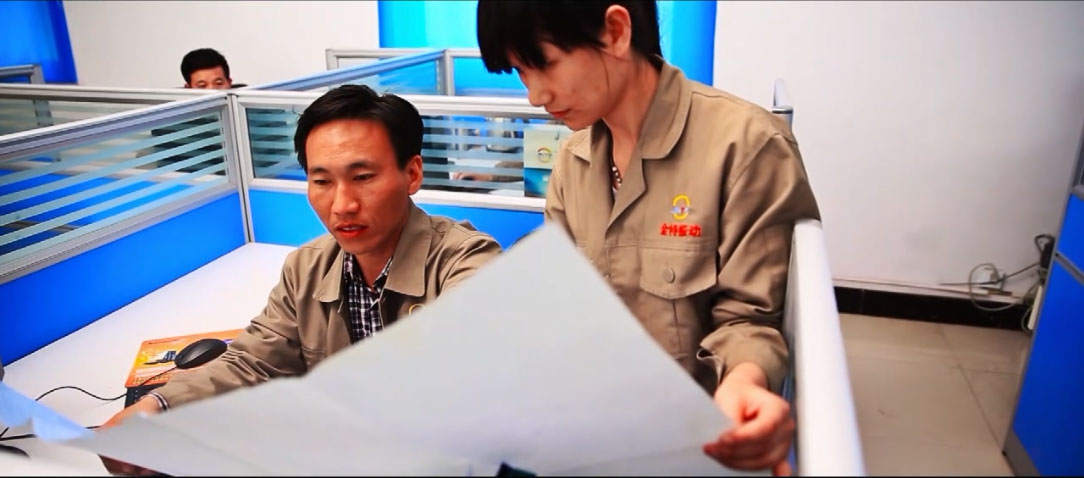
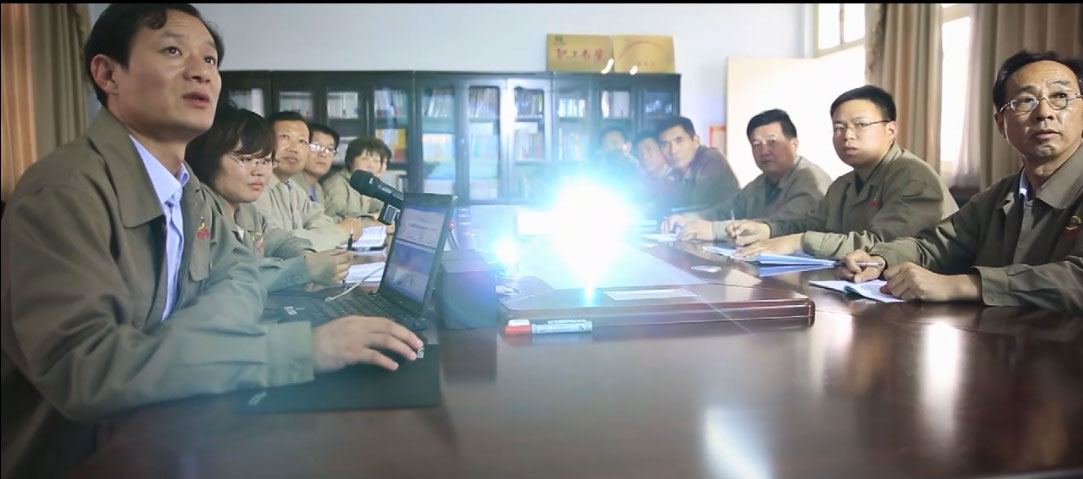
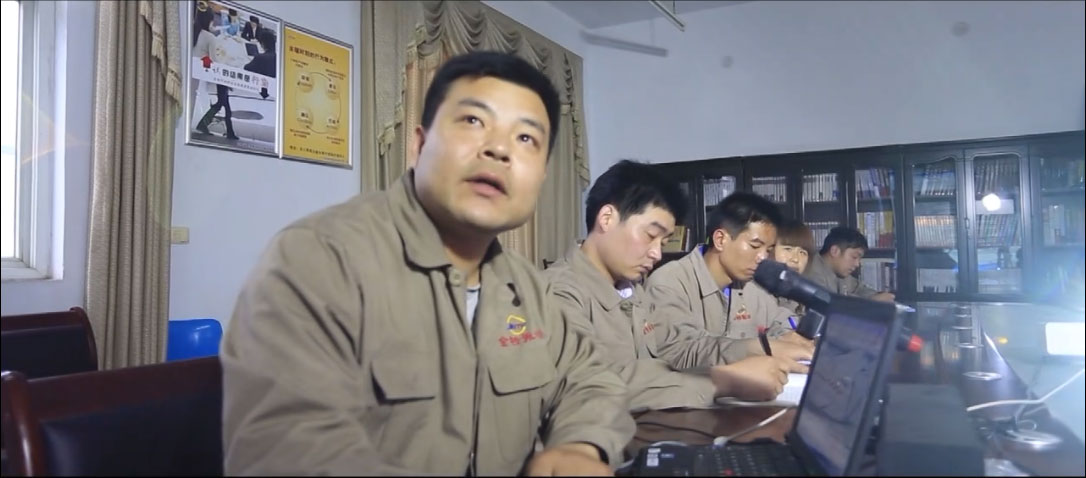
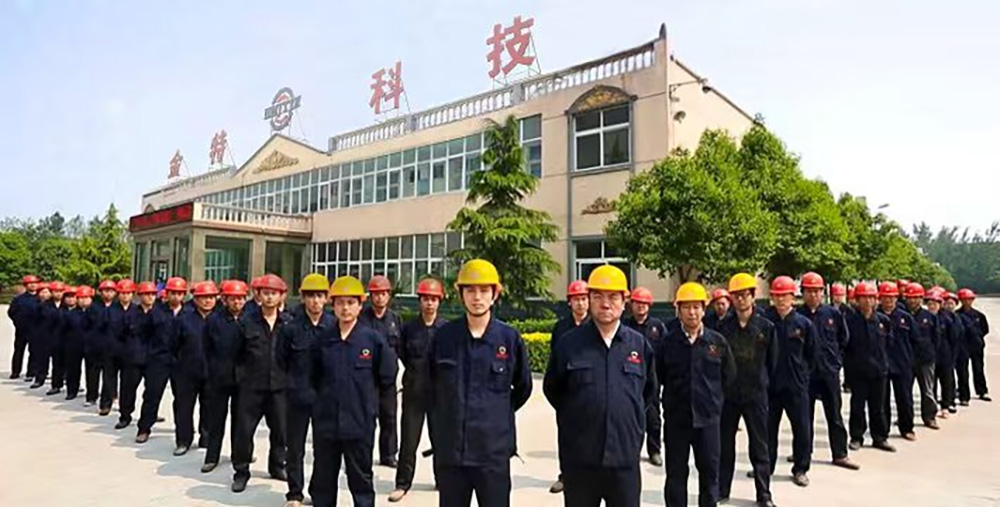
Our company has over 240 employees, including a dedicated 45-person technical development team. No matter where your company is located, we are able to establish a professional team as required. Our teams are always on high alert so your potential problems can be solved with military precision.
Global buyers looking for a China Belt Feeder Aquaculture Manufacturer should prioritize technical compatibility and material durability. Below are common queries addressed by our technical team:
The future of Belt Feeder Aquaculture Manufacturers lies in "Smart Feeding." We are currently developing: