Stricter environmental frameworks in regions like Europe, North America, and Australia demand zero liquid discharge (ZLD) systems. High G-force linear vibrators recovery precious water from tailings, making them reusable within circular plant setups.
With massive dynamic load requirements, typical operations demand robust materials. Utilizing structural steel grade assemblies, optimized finite element designs, and polyurethane media ensures years of continuous run-times.
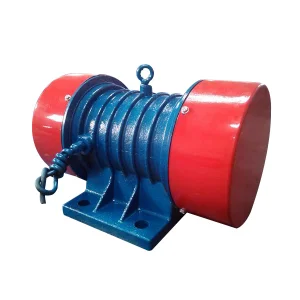
The transition to smart factories demands real-time processing telemetry. Modern systems feature acceleration metrics and heat monitoring of eccentric motors (like the YZO series) to predict fatigue before downtime happens.
Established in 2018, and building on a foundational legacy of manufacturing dating back to 2000, Henan Jinte Technology Co., Ltd. has grown into an international powerhouse specializing in the design, engineering, and manufacturing of complete screening systems, vibration machinery, and heavy-duty conveying units. Our design processes focus heavily on green technology, structural safety, and high-efficiency performance parameters, maintaining a premium rank within the global vibration machinery market.
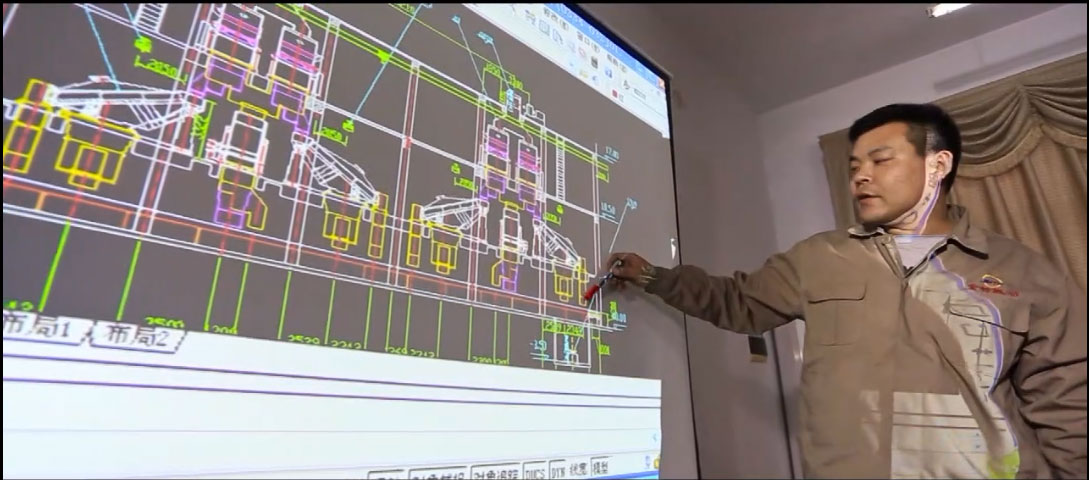
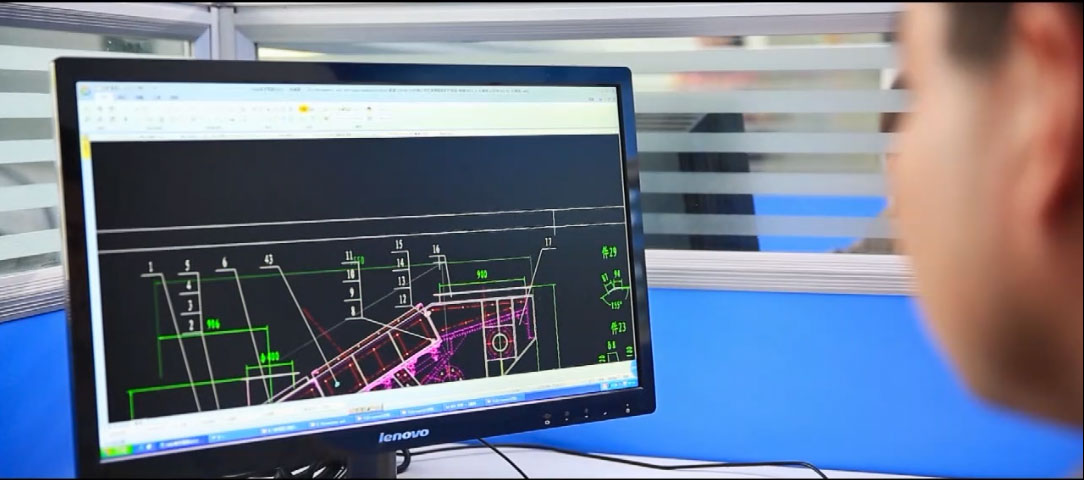
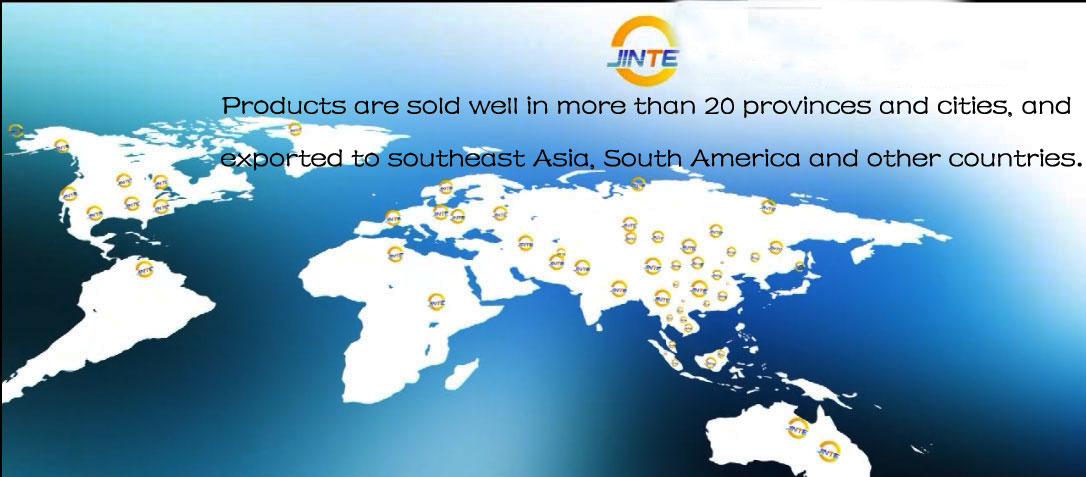
Our high-performance engineering arrays are exported extensively to vital mining and industrial centers in Iran, India, Central Africa, Southeast Asia, and beyond. Utilizing modern CXAX 3D design configurations and finite element analysis (FEA) software, Jinte guarantees structurally robust equipment that limits dynamic fatigue.
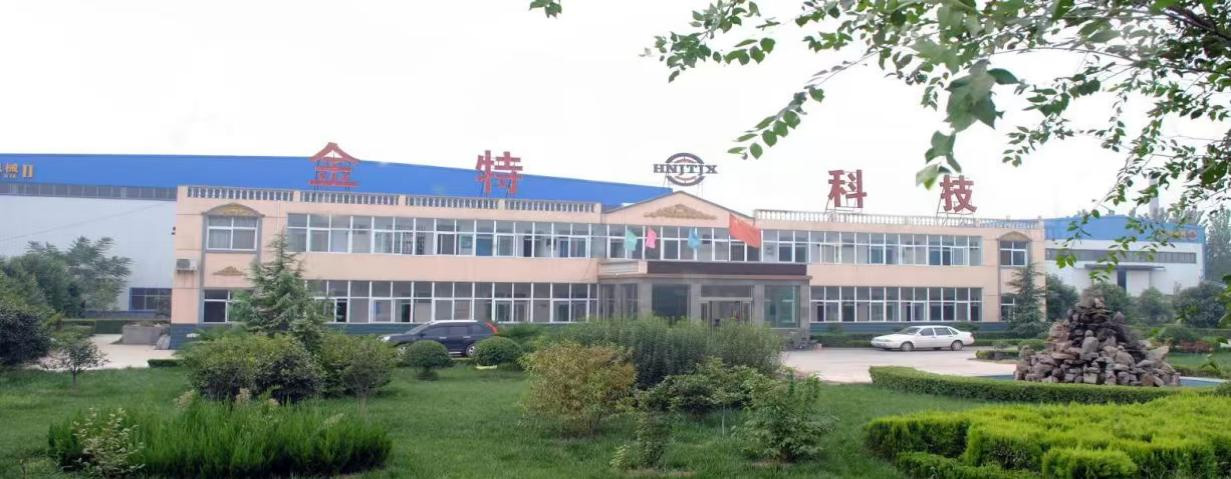
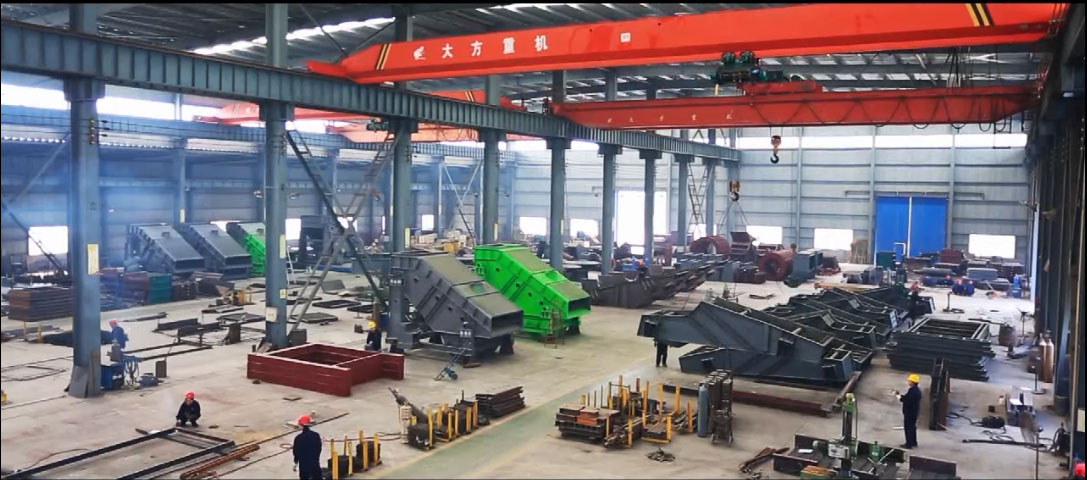
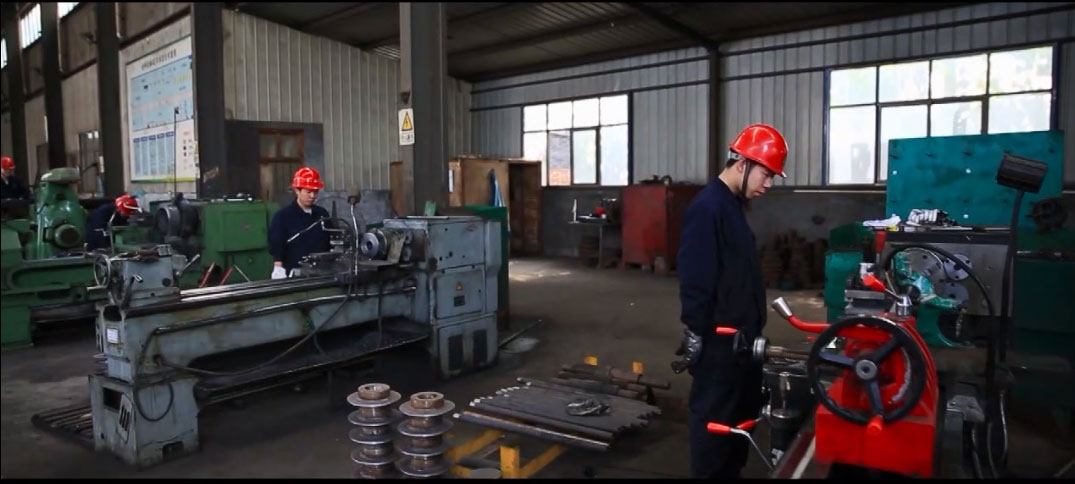
Located within the Xinglong Road sector of the Henan Province Xinxiang Economic Development Zone, our modern industrial complex spans 26,000 square meters, featuring 25,000 square meters of dedicated processing and manufacturing floor space.
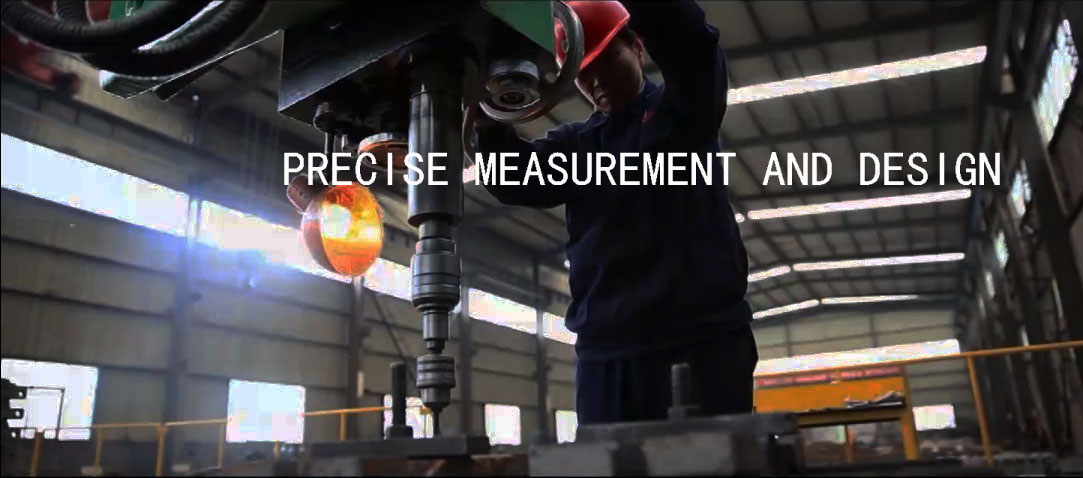
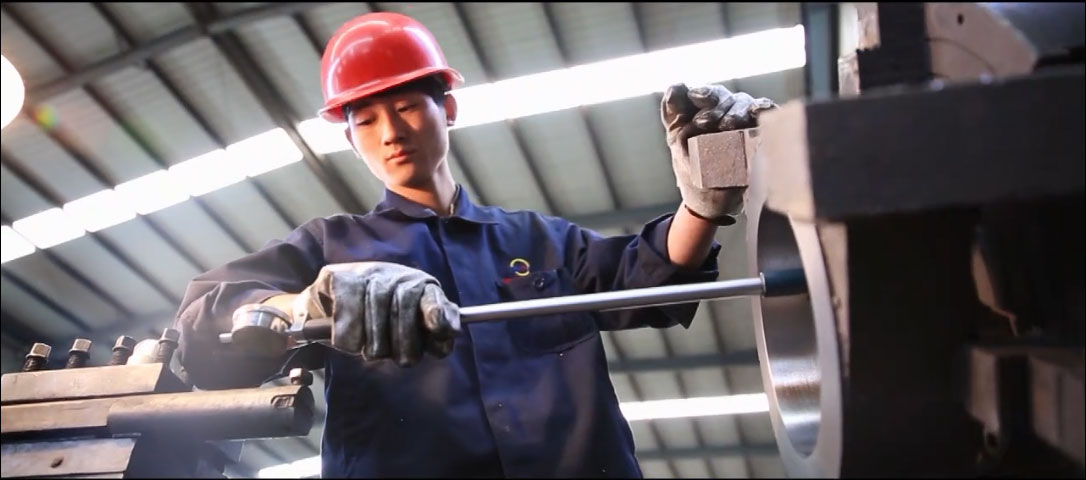
Equipped with over 80 sets of processing and testing instrumentation—including automatic CNC flame cutting units, vertical CNC machining centers, high-capacity automatic shot blasting chambers, automated heavy-scale welding setups, and lifting systems capable of processing up to 20 metric tons—our factory boasts complete control over the structural integrity of every component.
Our commitment to E-E-A-T principles is backed by transparent field metrics, indicating our industry-leading stance in quality assurance, logistics safety, and specialized R&D.
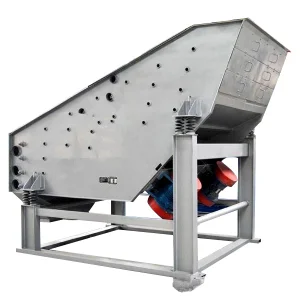
1. Linear Excitational Motion: Driven by dual vibrating motors (often the proprietary YZO or high-quality self-synchronizing vibration units) rotating in opposite directions. The centrifugal forces cancel out in the lateral axis while reinforcing along the perpendicular axis, creating a strong linear stroke, usually directed at an angle of 45 degrees to the screen surface.
2. Upward Incline Operation: Unlike sizing screens that slope downwards, dewatering screens are typically installed at an uphill incline of +2 to +5 degrees. This creates a retention pocket at the feed end, allowing a dense filter cake to accumulate.
3. Hydrostatic Cake Filtration: As solids pool in the inclined screen section, they form a thick bed that acts as a primary filter. Gravity pulls water through this bed, bypassing the polyurethane screen openings. Capillary water is released through mechanical acceleration (typically 4.0G to 6.0G).
China houses the entire structural supply chain, ranging from steel mills and specialized casting facilities to manufacturers of components like polyurethane panels, heavy-duty damping springs, and high-frequency vibrating motors.
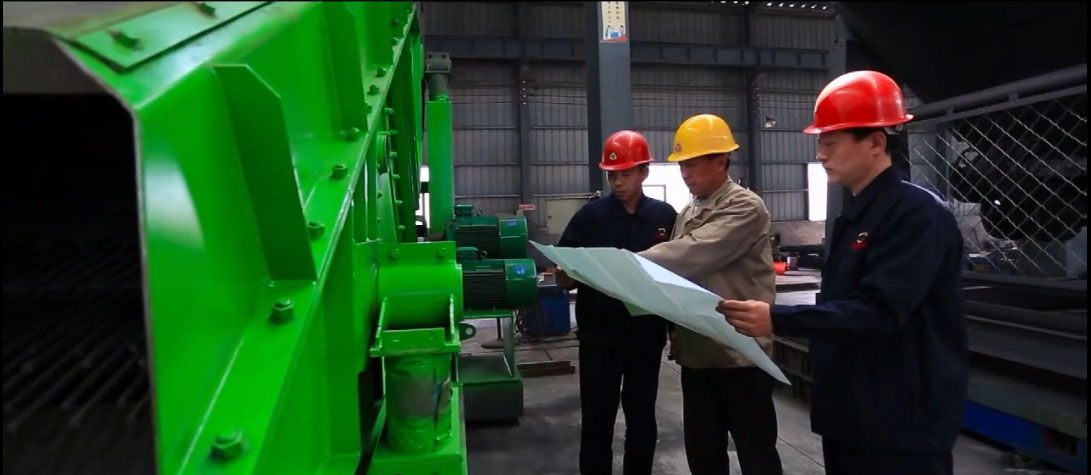
Utilizing international simulation packages and finite element modeling (FEA) ensures structurally safe screens capable of handling dynamic shock loads without structural fatigue.
Whether a project requires explosion-proof motors, custom polyurethane mesh, specialized stainless steel frames, or paint formulations for corrosive environments, Chinese factories customize to target specifications in weeks.
Our manufacturing lines support diverse sorting, sizing, transport, and dewatering applications. With over 700 standard design iterations, we provide robust machinery optimized for metallurgy, power generation, aggregate production, mining, coal washing, tailing treatment, and chemical plants.
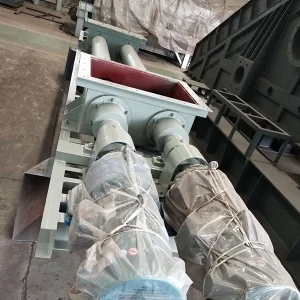
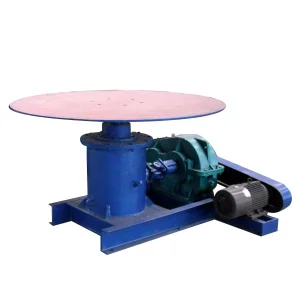
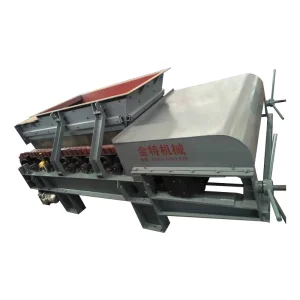
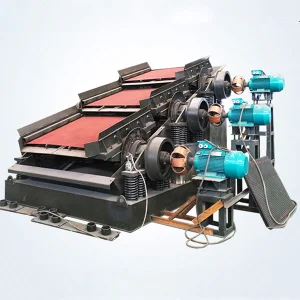
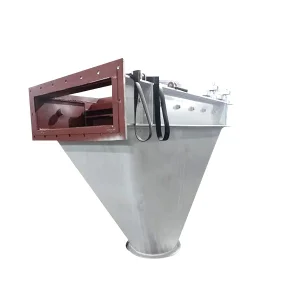
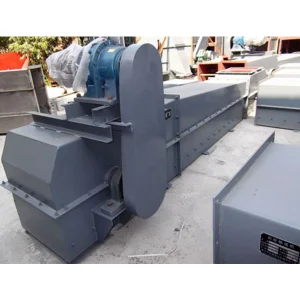
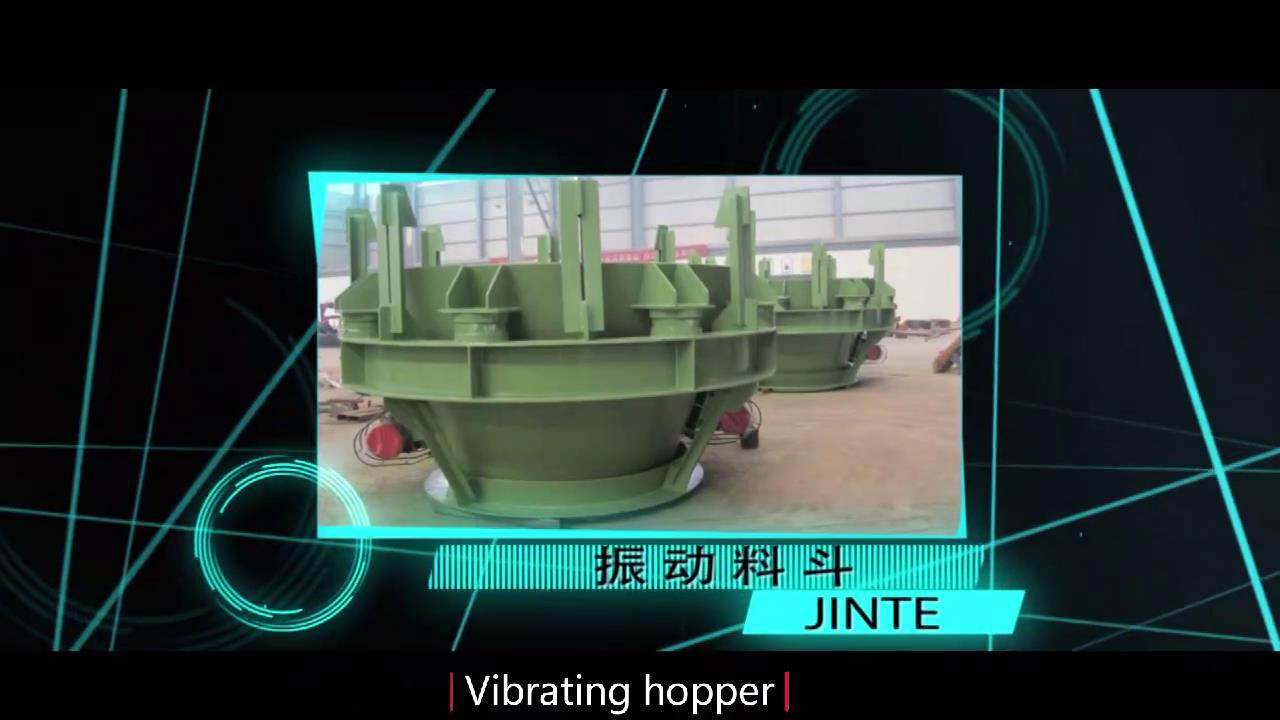
Our primary structural lines include sandstone production equipment, eco-friendly sintered screens, high-efficiency belt conveyors, dust-proof disc feeders, multi-deck composite screens, double and triple-axis self-synchronizing elliptical screens, heavy-duty linear screens, and vibrating coal feeders.
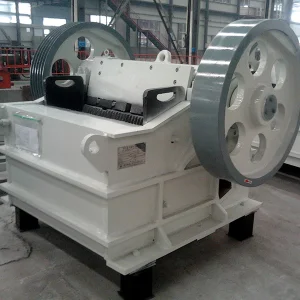
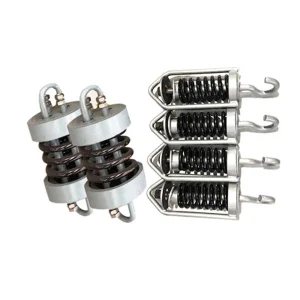
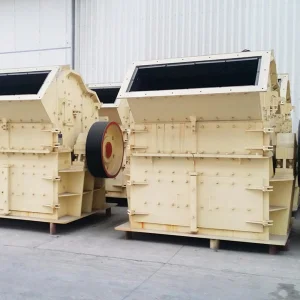
Furthermore, we manufacture critical system components: linear self-vibration drives, high-torque vibration motors (YZO and related series), composite damping springs (rubber and stainless steel configurations), and heavy impact crushers. All machinery leverages green design practices to reduce dust output and minimize noise levels.
| Model Series | Screen Area (m²) | Motor Power (kW) | Vibration Frequency (rpm) | Max Capacity (t/h) | Outlet Moisture (%) |
|---|---|---|---|---|---|
| JT-DS1224 | 2.88 | 2 x 4.0 | 960 / 1450 | 45 - 60 | 12 - 15% |
| JT-DS1530 | 4.50 | 2 x 5.5 | 960 / 1450 | 80 - 110 | 12 - 15% |
| JT-DS1836 | 6.48 | 2 x 7.5 | 960 / 1450 | 120 - 160 | 12 - 15% |
| JT-DS2140 | 8.40 | 2 x 11.0 | 960 / 1450 | 180 - 240 | 12 - 15% |
| JT-DS2448 | 11.52 | 2 x 15.0 | 960 / 1450 | 280 - 350 | 12 - 15% |
In regions dealing with water shortages and tailing pond risks, our screens process slurry directly from underflow cyclones. By producing dry stackable waste, mines eliminate environmental hazards and recycle up to 85% of process water.
Washed concrete sand must be dewatered to allow immediate shipping. Jinte dewatering screens reduce sand moisture content to less than 12% in real-time, preventing product loss and ensuring compliance with dry bulk shipping standards.
Our systems screen fine-grained clean coal and tailing coal. High frequency vibrations prevent mesh blinding, helping washing systems extract maximum calorific values from slurry outputs.
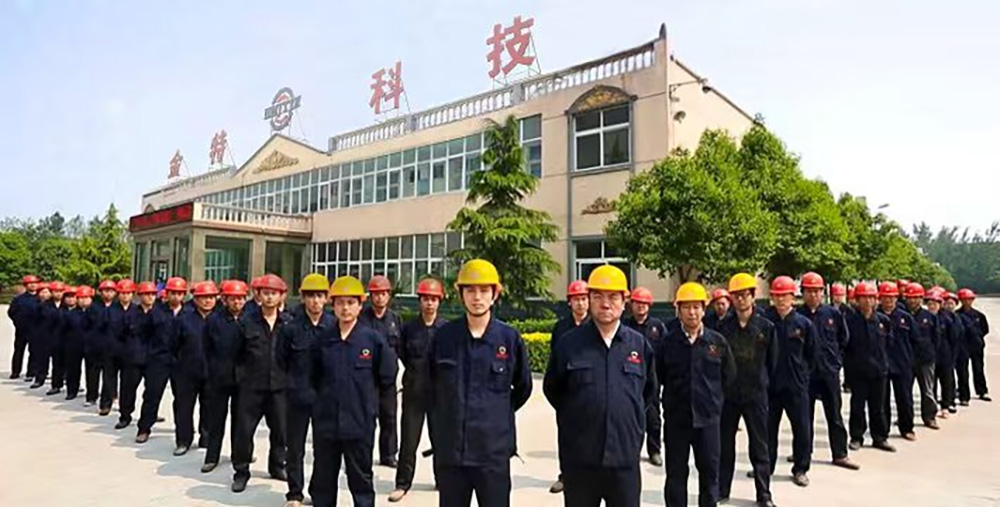
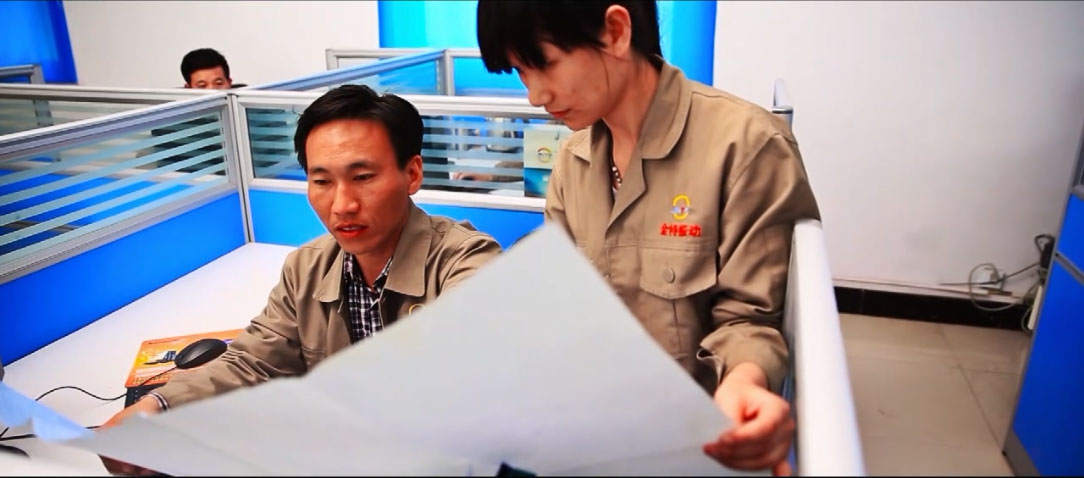
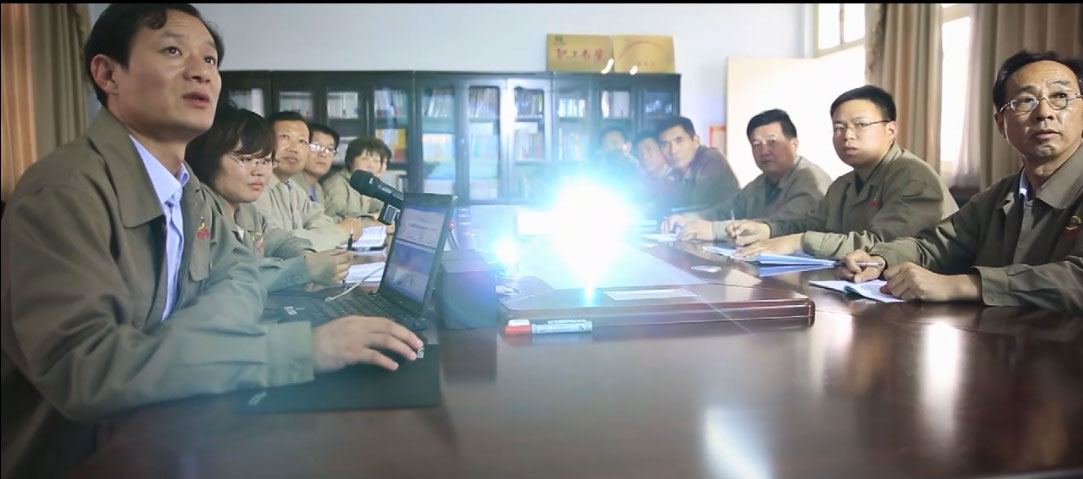
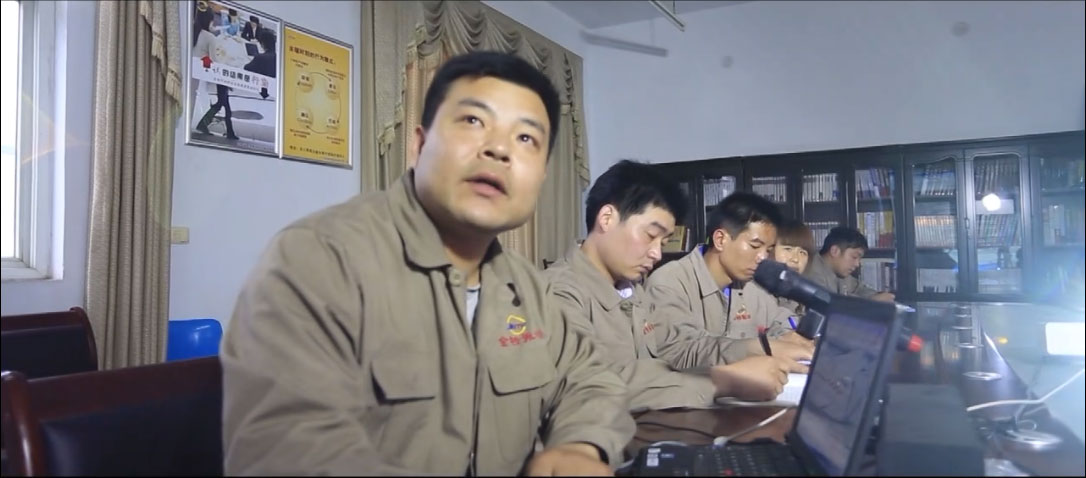
Our team of 240+ employees includes over 45 R&D engineering specialists. Staff receive regular technical education to align designs with modern global standards.
Validate that the structural design can handle continuous loads above 4.5G. This is necessary to break the surface tension of water molecules in fine slurry setups.
Ensure side plates are cut using CNC precision machinery and assemble them without welding where possible (e.g. using huck bolts) to prevent stress points that lead to cracking.
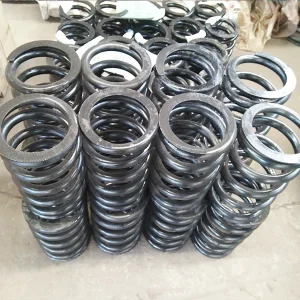
Specify heavy-duty rubber or stainless steel damping springs. The spring system must isolate over 95% of the dynamic loads, protecting the surrounding support structure.
Typically, linear dewatering screens reduce moisture in coarse materials (such as construction sand and coarse ore) down to 12% to 15%. Exact performance depends on feed size distribution, solid concentration in the feed slurry, and deck inclination angles.
Jinte uses CNC laser cutting for side plates to eliminate edge micro-cracks. We employ finite element analysis (FEA) to simulate dynamic loading and avoid welding on side plates. Instead, components are secured with high-tensile huck bolts to prevent thermal fatigue cracking.
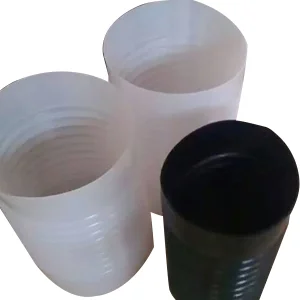
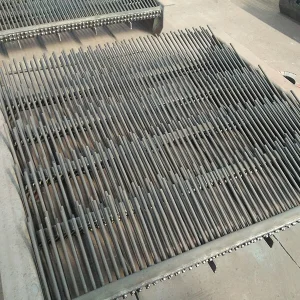
Polyurethane screen panels are generally preferred for abrasive minerals and sand because they outlast wire mesh. However, in applications with high clay content where blinding is common, we recommend polyurethane modular panels with fine slotted geometries or specialized wedge wire decks.
Rubber damping springs provide superior noise dampening, excellent corrosion resistance, and stable performance through the resonance phase during startup and shutdown. Steel springs are better suited for extremely cold environments or heavy load systems where temperature shifts could affect rubber properties.
An incline of +2 to +5 degrees forces the slurry to pool at the feed end, forming a stable cake layer. This layer acts as a secondary filter medium, catching fine particles that would otherwise slip through the screen mesh.