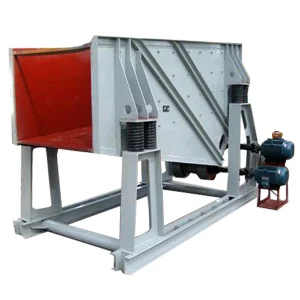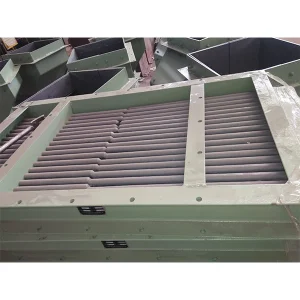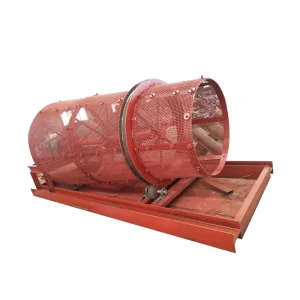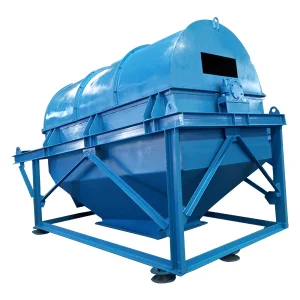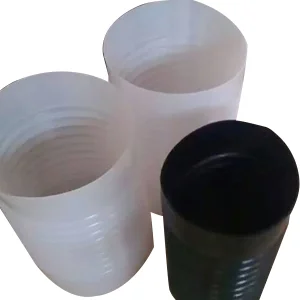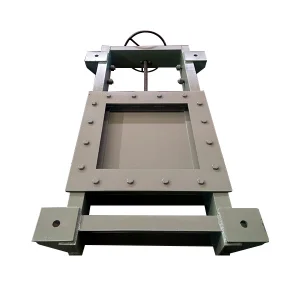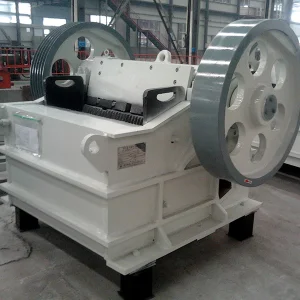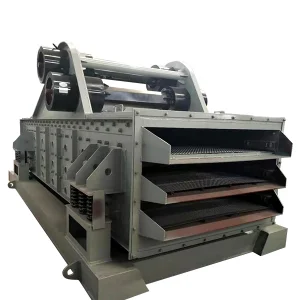
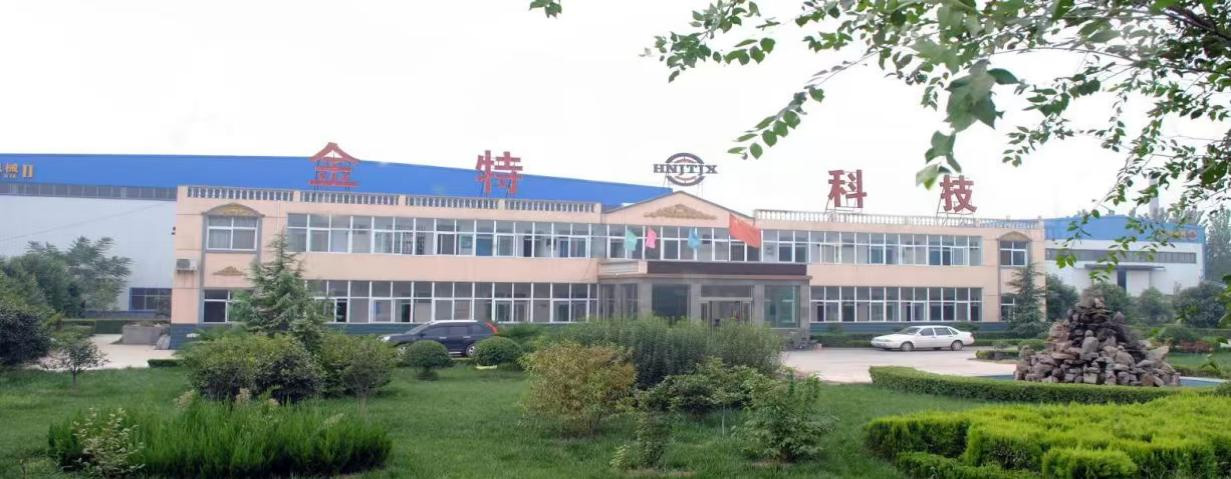
Officially established and registered in 2018, we have evolved into a mid-to-large-scale international enterprise. We specialize in the design and production of complete screening equipment, vibration equipment, and conveying products. Our expertise caters to high-demand sand and gravel production lines globally.
Our products are exported to countries including Iran, India, Central Africa, and Asia. Jinte's design philosophy integrates environmental protection with energy efficiency, meeting international technical standards and maintaining a leadership position in the vibration machinery industry.
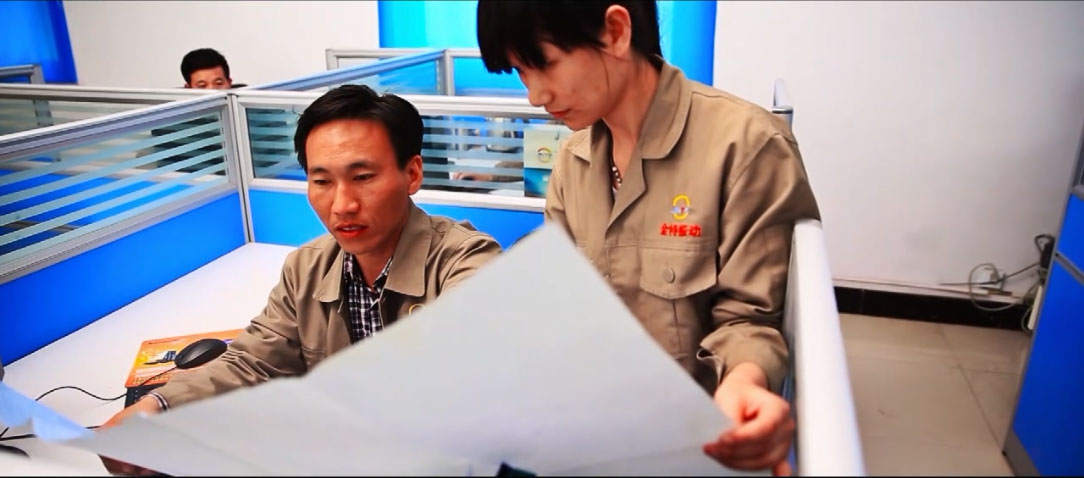
With over 100 employees, including more than 45 specialized technical and product development experts, we offer military-precision problem-solving. Our teams stay updated with market trends to provide localized support regardless of your geographical location.
Engineering Excellence for High-Volume Bulk Material Control
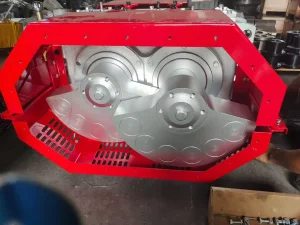
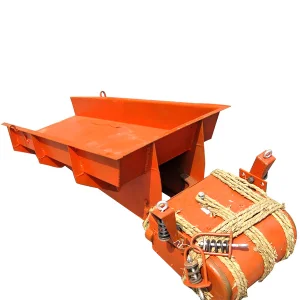
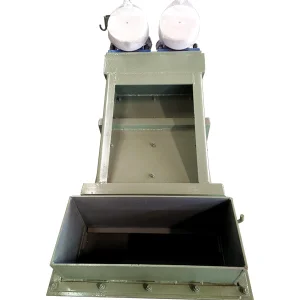
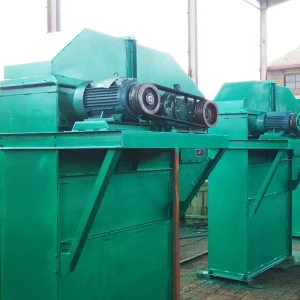
Our reciprocating plate feeders utilize a crank-and-link mechanism to drive a reciprocating tray. This design is specifically optimized for feeding large blocks of abrasive materials from storage bins to crushers or conveyors. By adjusting the eccentricity of the crank, operators can precisely control the stroke length and material flow rate.
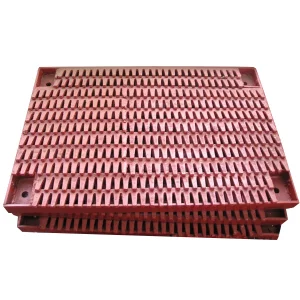
We utilize high-manganese steel and wear-resistant liner plates (Hardox equivalents) to ensure the feeder survives the impact of massive ore chunks. The frame is constructed with reinforced H-beams to withstand dynamic loads in 24/7 mining environments.
The next generation of Jinte reciprocating feeders will feature Smart Sensor Integration, allowing for real-time monitoring of tray wear, motor temperature, and stroke frequency via cloud-based platforms to enable predictive maintenance.
Unlike electromagnetic vibrating feeders, reciprocating plate feeders are less sensitive to moisture and "sticky" materials. They provide a more positive displacement, making them the preferred choice for coal with high clay content or wet crushed stone where vibration might cause material compaction.
Square Meters Factory
Tons Lifting Capacity
CNC Machining Sets
Transport Safety Rate
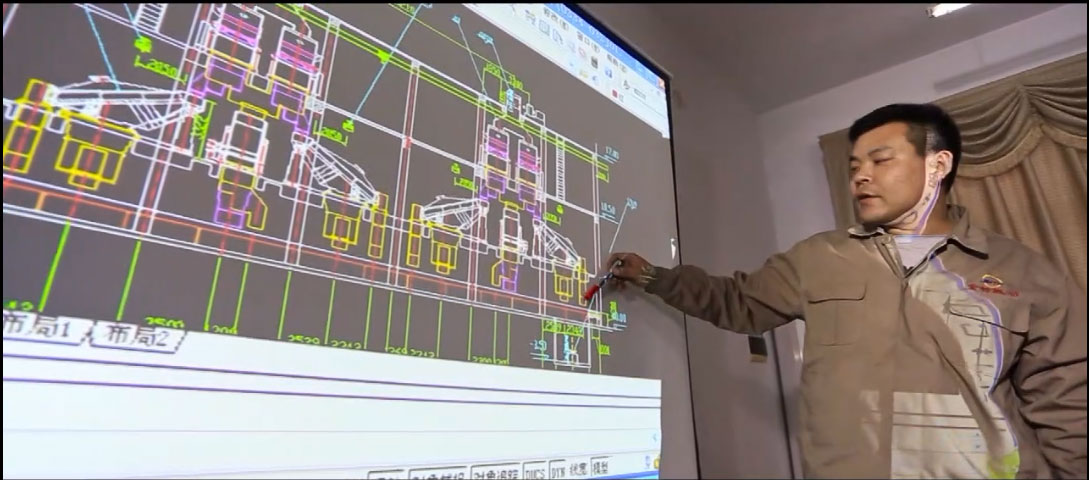
We leverage CXAX 3D design software and finite element analysis (FEA) to simulate structural stress before manufacturing. This ensures that every reciprocating feeder can handle the specific bulk density and impact force of your unique material profile.
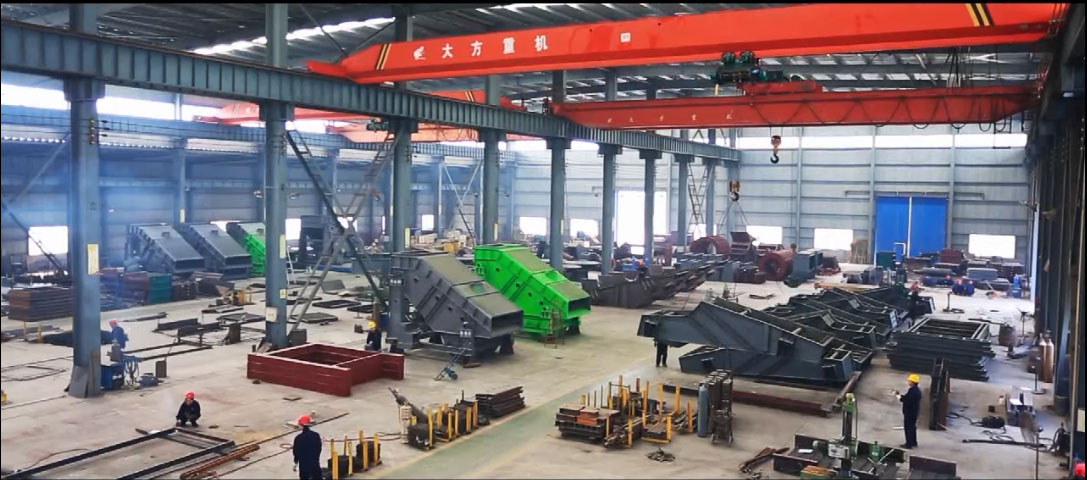
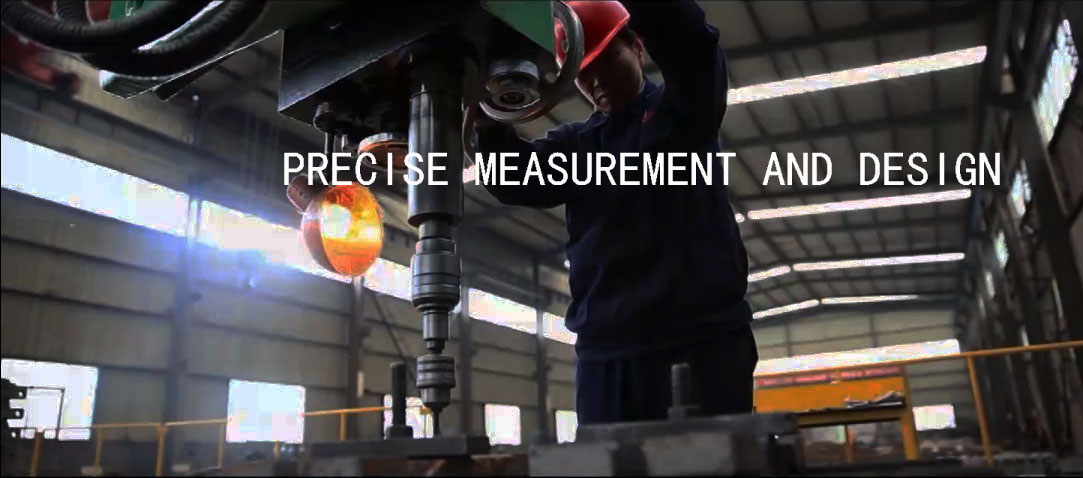
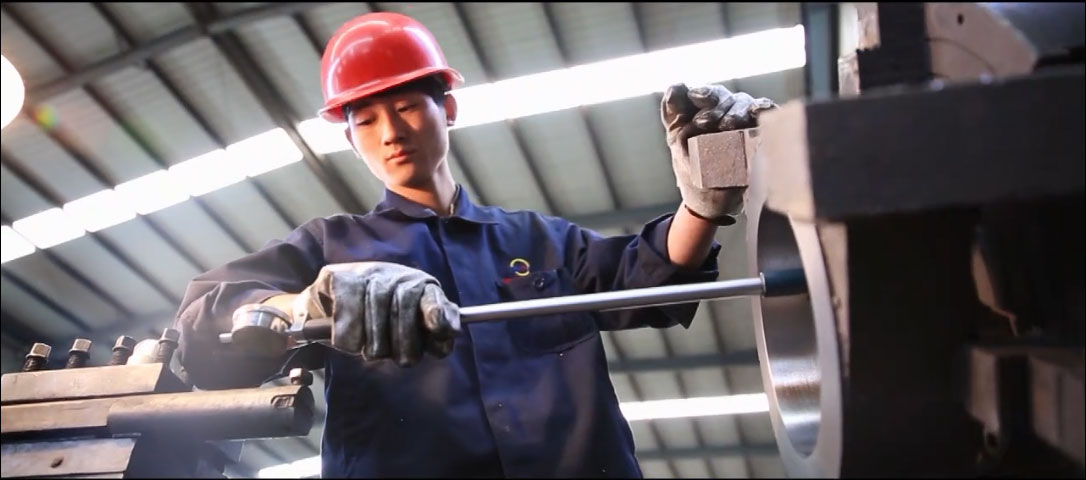
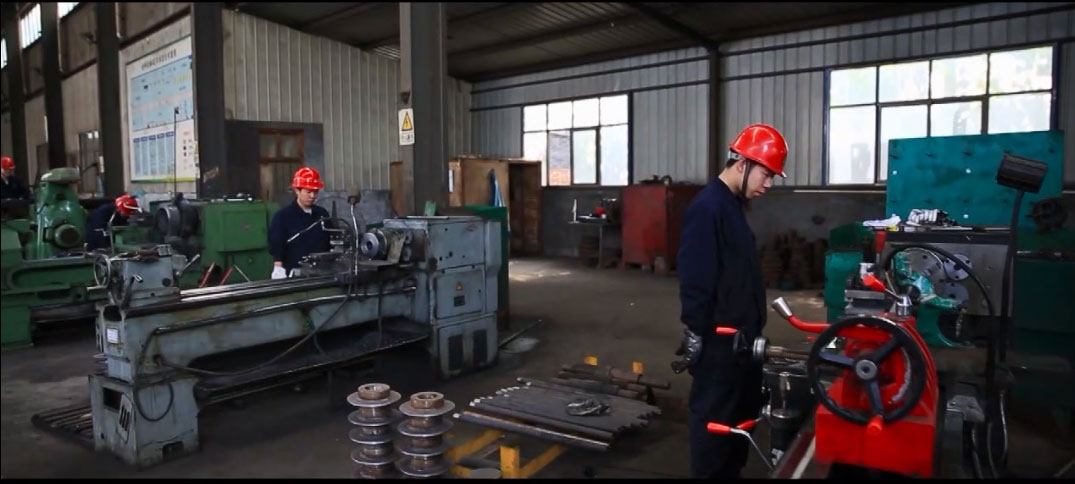
Our facility includes automatic welding equipment, shot blasting for surface preparation, and rigorous testing protocols for all screening and vibration sources. We adhere to international safety standards, ensuring that our machinery is ready for immediate integration into global industrial projects.
Essential for heavy-duty ore handling. Our feeders support primary and secondary crushing stages, handling iron ore, copper, and gold mineral processing with high reliability.
Reciprocating coal feeders are vital for thermal power plants, providing consistent fuel flow to pulverizers. Our designs focus on dust suppression and explosion-proof safety.
In aggregate production, Jinte equipment ensures the steady flow of limestone and granite, maximizing the throughput of high-efficiency sand-making production lines.

We understand the cost of downtime. Our engineers are available for remote diagnostics and on-site commissioning to ensure your production line operates at peak efficiency.
We manage all aspects of international shipping, ensuring that equipment arrives securely. Our packing methods exceed maritime standards to prevent corrosion and physical damage during transit.
Expert Insights into Reciprocating Feeder Selection & Maintenance
A: Our heavy-duty K-series designs can handle lump sizes up to 500mm-800mm, depending on the feeder width and the specific configuration of the receiving hopper.
A: We use replaceable liner plates made from AR400/500 steel. These liners protect the main structural tray and can be swapped out quickly during scheduled maintenance windows.
A: Absolutely. We offer Variable Frequency Drive (VFD) compatibility, allowing the feeder's stroke speed to be controlled by the plant's central automation system based on real-time demand.
A: We require material type, bulk density, maximum lump size, required throughput (TPH), and dimensions of the existing storage bin or hopper.