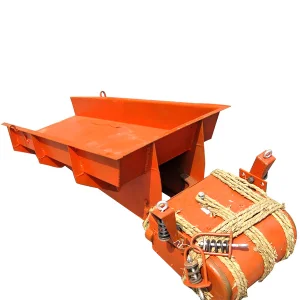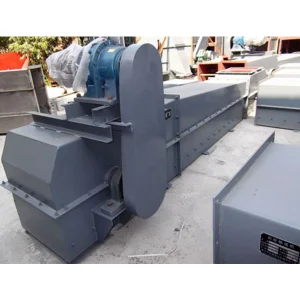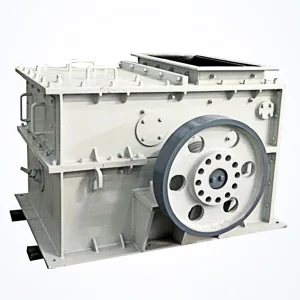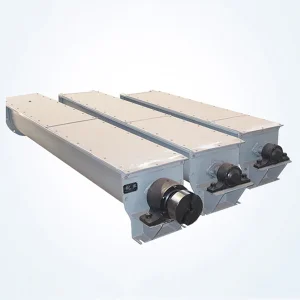
In the global agricultural value chain, the efficient movement of wheat—from harvest to silo, and from silo to milling facility—is a cornerstone of food security and operational profitability. China's chain conveyor manufacturing sector has undergone a paradigm shift, transitioning from basic mechanical assembly to AI-integrated, high-precision engineering. As a leading supplier, we provide this comprehensive analysis of how modern Chain Conveyor for Wheat systems are redefining industrial throughput.
Wheat, as a granular bulk material, presents unique challenges: dust explosion risks, grain breakage, and hygiene requirements. Traditional belt conveyors often fail to mitigate dust, while screw conveyors may damage the kernel integrity. The En-masse Chain Conveyor (Scraper Conveyor) has emerged as the gold standard for wheat handling, offering a dust-tight, compact, and high-capacity solution.
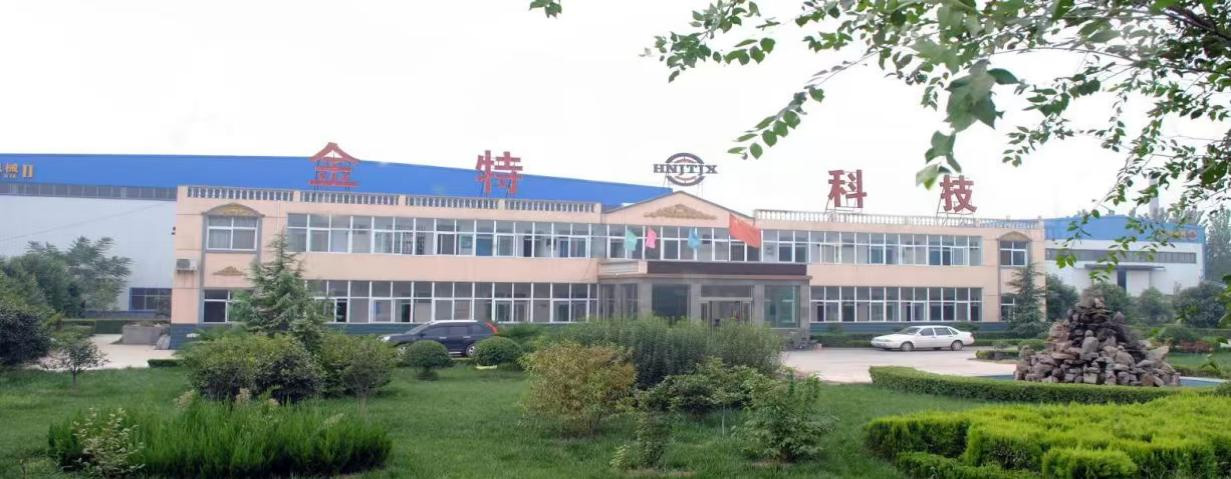
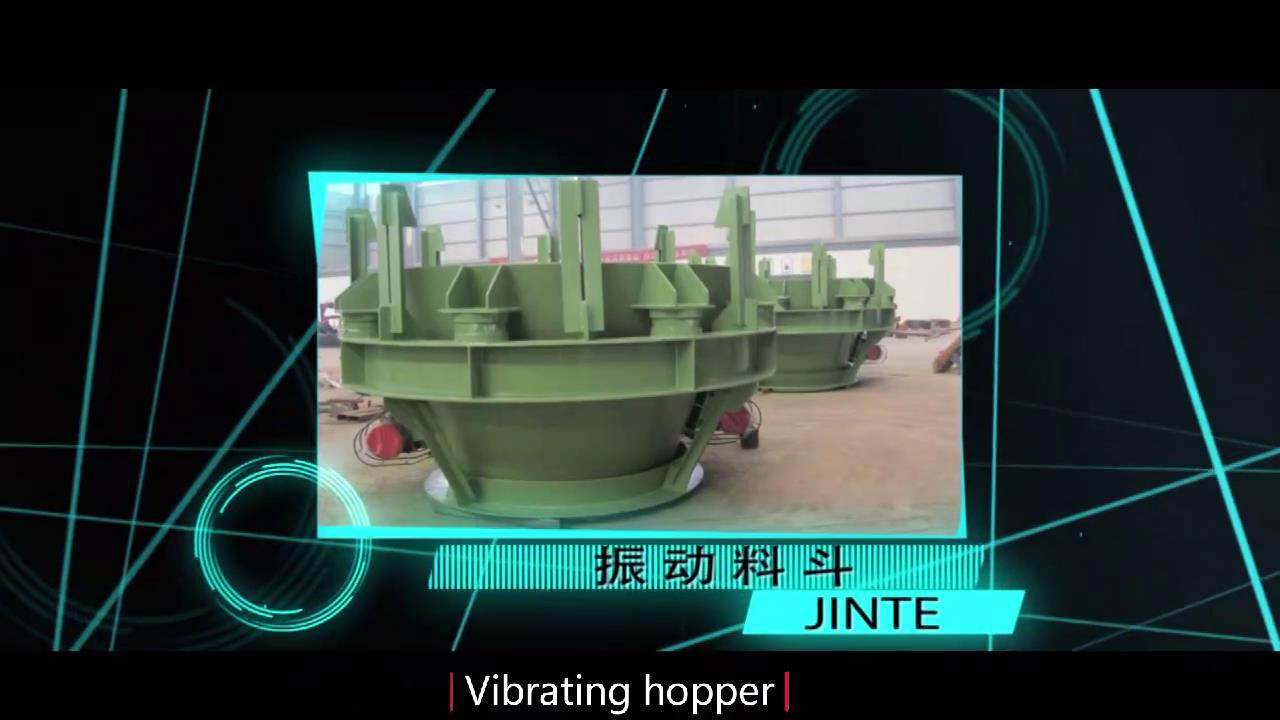
Officially registered and established in 2018, Henan Jinte Technology Co., Ltd. has rapidly ascended as a mid-to-large-scale international enterprise. We specialize in the design and production of complete screening equipment, vibration equipment, and conveying products. Our manufacturing footprint is centered in the Xinxiang Economic Development Zone, a hub for industrial excellence in China.
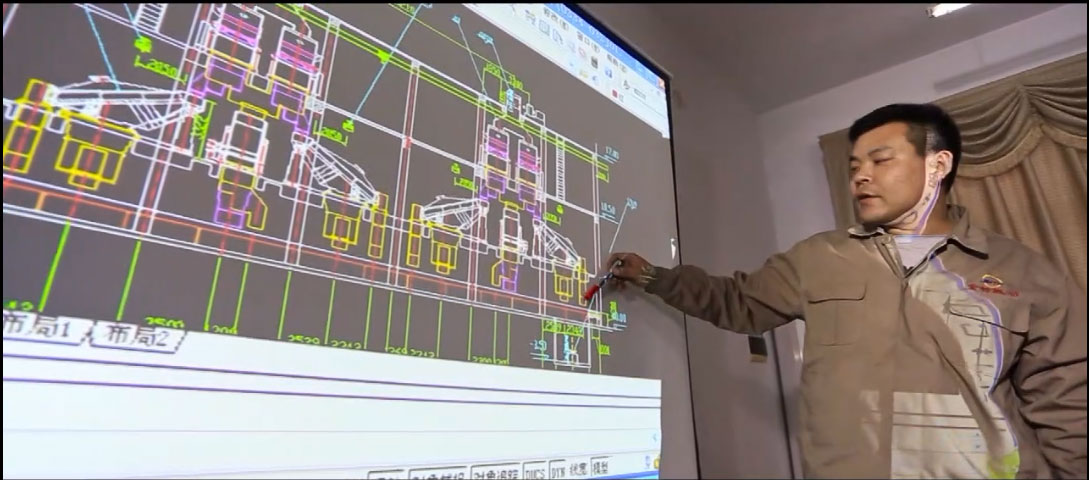
Our commitment to Environmental Protection and Energy Efficiency is not just a slogan; it is embedded in our CAD workstations and finite element analysis software. We utilize CXAX 3D design software to simulate wheat flow and stress distribution, ensuring every chain conveyor meets international benchmarks for durability.
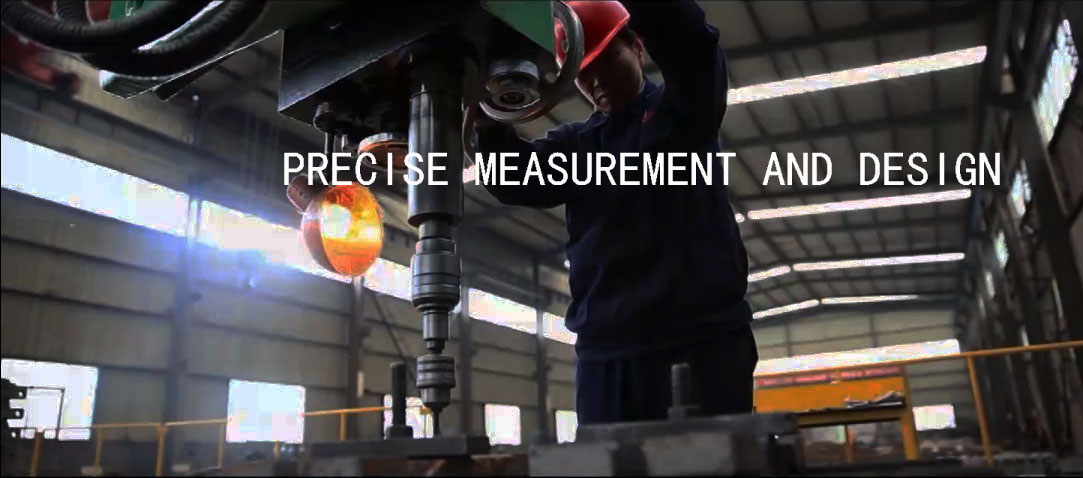
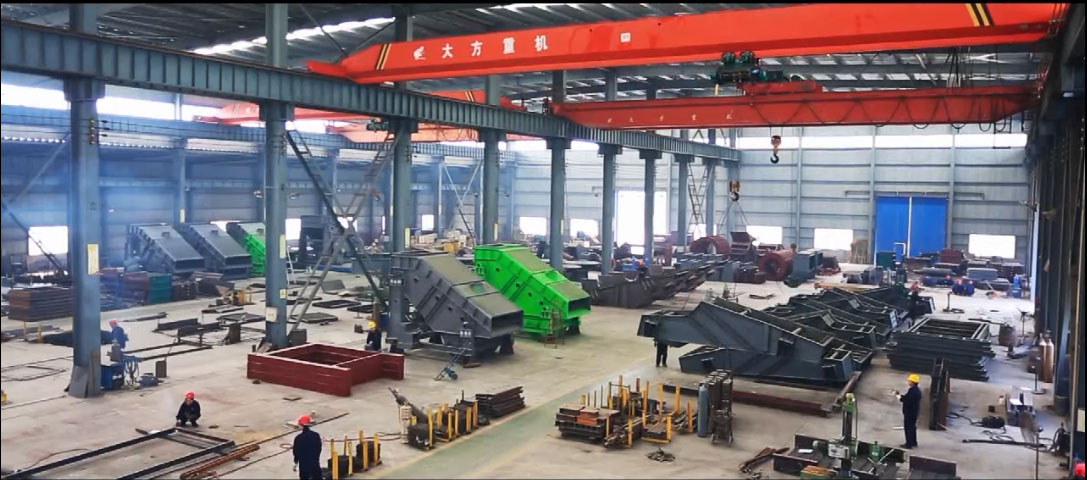
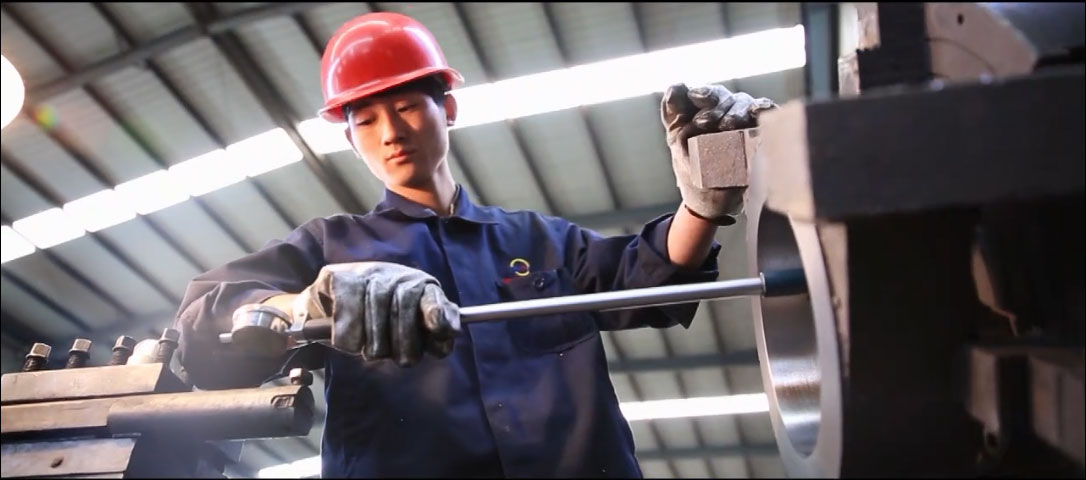
Our facility houses over 80 sets of processing equipment, including advanced vertical CNC machining centers, automatic flame cutting machines, and automated welding stations. This technological infrastructure allows us to maintain "Military Precision" in solving potential mechanical bottlenecks for our clients across Iran, India, Central Africa, and broader Asia.
Global procurement officers are increasingly looking toward China not just for cost, but for Innovation Gain. Here is why the "Made in China" label for wheat conveyors represents a strategic advantage:
From specialized high-tensile alloy chains to UHMW-PE (Ultra-High-Molecular-Weight Polyethylene) flights, the entire ecosystem is localized, reducing lead times by up to 40%.
Unlike Western counterparts that often offer fixed dimensions, Chinese manufacturers like Jinte provide tailored casing thicknesses and motor configurations to match specific silo geometries.
With national policies favoring green energy, our latest chain conveyors consume 15-20% less power compared to decade-old designs, utilizing low-friction components.
The industry is moving toward "Smart Conveying." As a senior SEO and growth director, I observe three major shifts that every wheat supplier must prepare for:
Modern chain conveyors are now equipped with vibration sensors and temperature monitors for bearings. This allows for Predictive Maintenance, ensuring that during the peak wheat harvest season, the downtime is virtually zero.
Wheat dust is highly explosive. The trend is moving toward completely enclosed, negative-pressure chain conveyors that prevent dust escape, aligning with global EHS (Environment, Health, and Safety) standards.
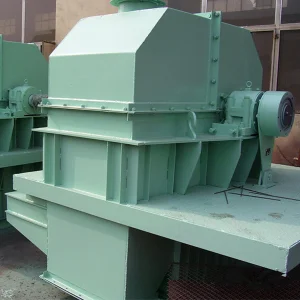
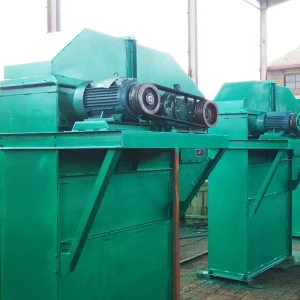
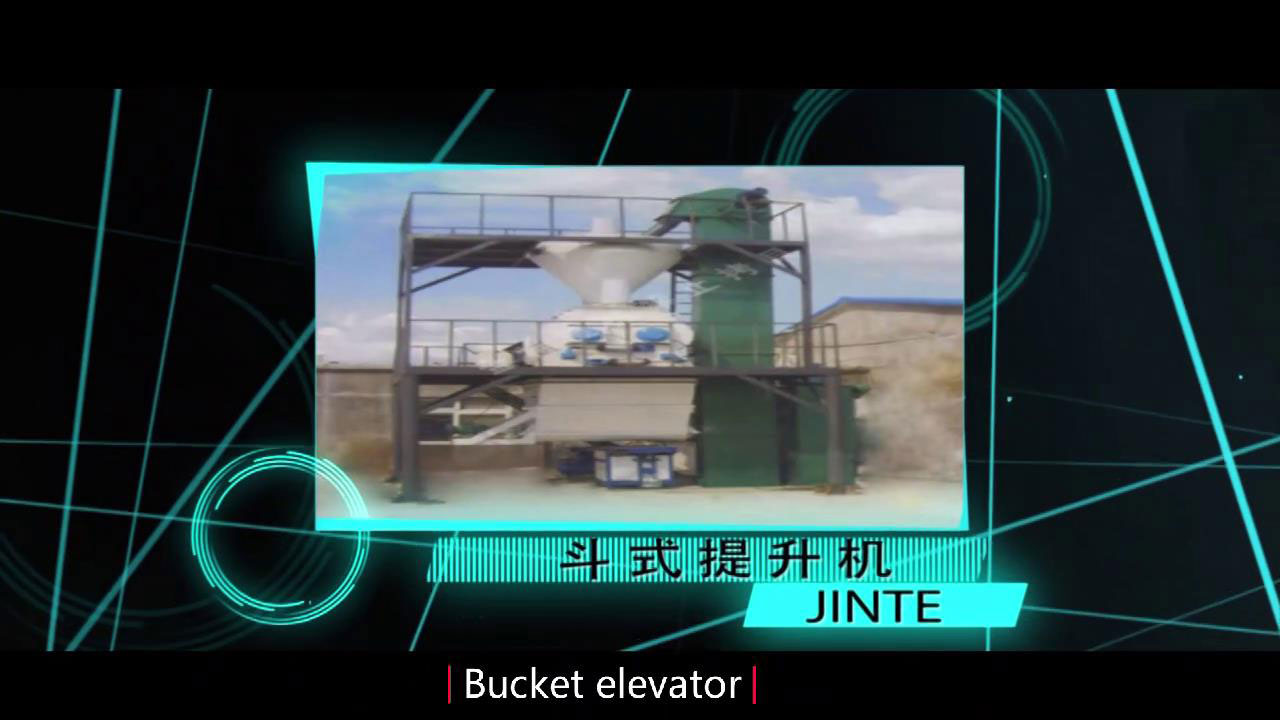
Our NE/PL-type Chain Bucket Elevators and scraper conveyors are now designed to be modular. This allows for rapid site assembly and easy capacity expansion as the wheat processing plant grows.
We don't just sell equipment; we solve bulk material handling problems. Our solutions cater to:
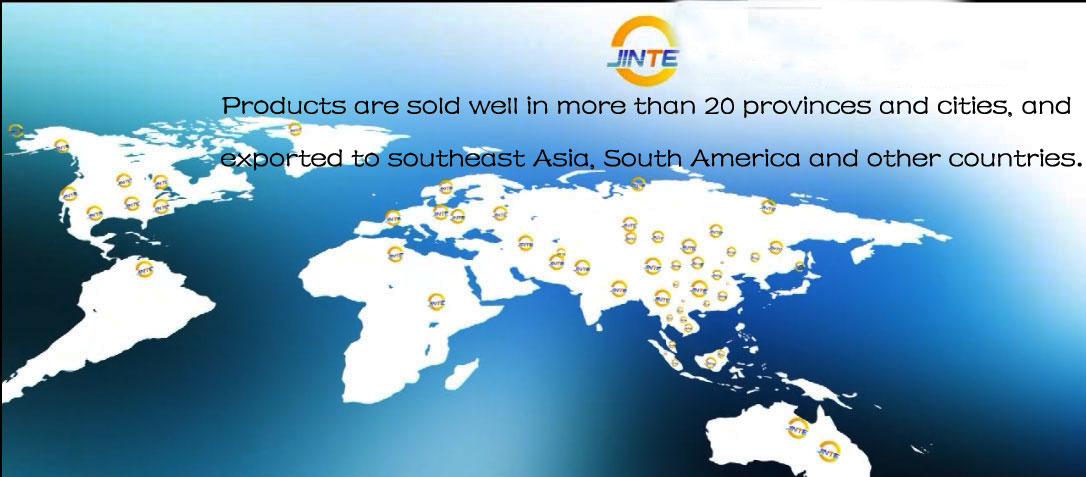
Jinte's Global Reach: Powering Wheat Infrastructure in Over 30 Countries.
Utilizing high-strength alloy steel with specialized heat treatment to withstand the abrasive nature of grain husks.
Replaceable bottom plates made of manganese steel or polymer to extend the service life of the main casing.
Capable of horizontal, inclined (up to 15°), or L-path configurations to fit existing factory constraints.
A: Our standard models handle between 50 TPH to 600 TPH. However, for port terminals, we can custom-engineer systems exceeding 1000 TPH using heavy-duty double-strand chains.
A: By optimizing the chain speed (usually below 0.5m/s for gentle handling) and using curved scraper flights, we ensure the wheat is moved in a dense mass (en-masse), minimizing kernel-on-kernel friction.
A: Yes. All Jinte equipment follows CE standards and can be built to satisfy ATEX Zone 21 or 22 requirements for dust-laden environments common in wheat milling.
A: Depending on the complexity, design takes 7-10 days, and manufacturing usually spans 30-45 days. We offer global shipping with comprehensive transport safety guarantees.
Published by the Jinte Technical Design Institute. With 20+ years of domain expertise in grain processing, we continue to lead the industry through technical innovation and a relentless focus on E-E-A-T principles.