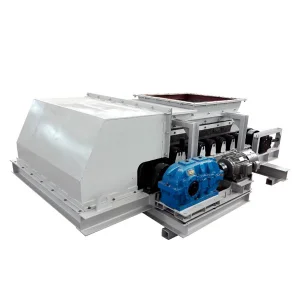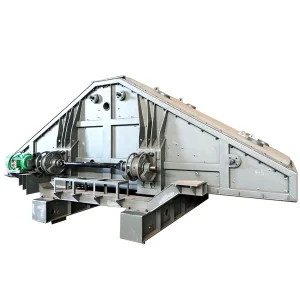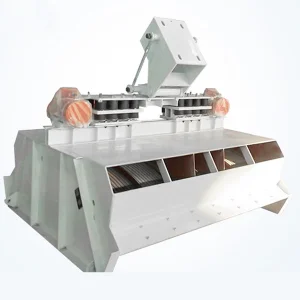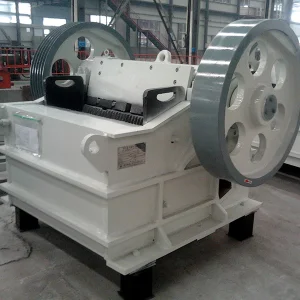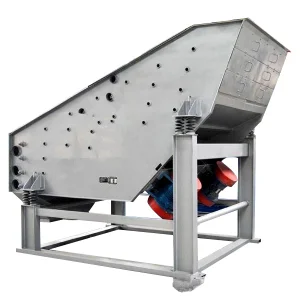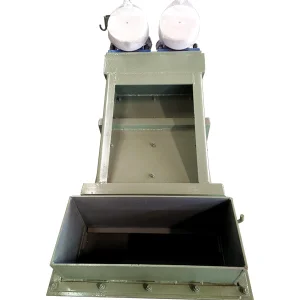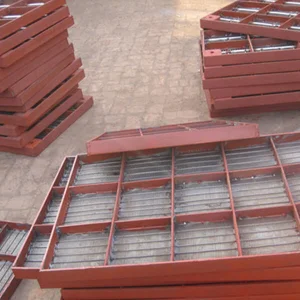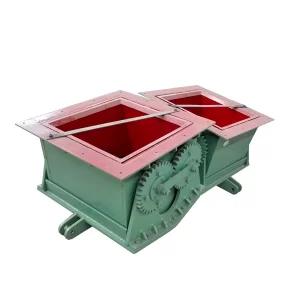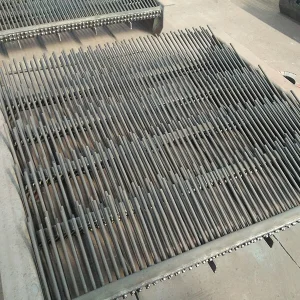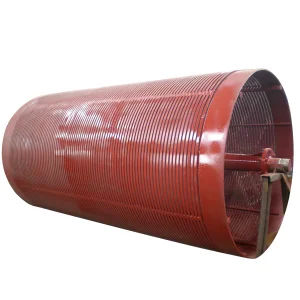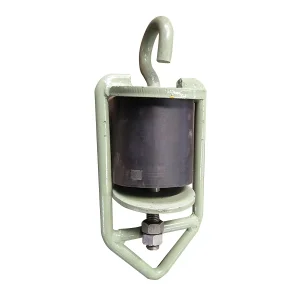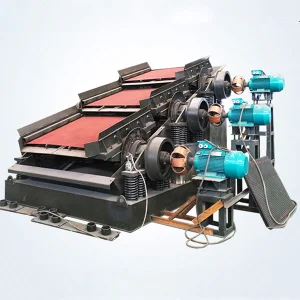
Henan Jinte Technology Co., Ltd. was officially registered and established in 2018. It has developed into a mid-to-large-scale international enterprise specializing in the design and production of complete screening equipment and conveying products for sand and gravel production lines.
Our design emphasizes concepts of environmental protection and energy efficiency, meeting international benchmarks and maintaining a leading position in the vibration machinery industry. We export to Iran, India, Central Africa, and Asia.
With over 100 employees, including 45+ technical developers, we solve problems with military precision, keeping up with current market trends and global industrial standards.
Years of Industry Experience
Square Meters Factory Area
Professional Employees
Sets of Processing Equipment
Calculating the power requirements for an inclined belt conveyor is a multi-dimensional engineering task that goes beyond simple arithmetic. It requires a deep understanding of Mechanical Efficiency, Friction Coefficients, and Tensional Dynamics. As a leading China supplier, Henan Jinte Technology utilizes FEA (Finite Element Analysis) to ensure every watt of power is optimized for longevity and cost-efficiency.
To determine the total motor power (P), we must break down the resistances into three primary categories:
Most basic calculators ignore the "Slack Side Tension" (T2). In high-performance inclined conveyors, the Belt Sag Ratio must be strictly controlled (usually 1% to 2%) to prevent material spillage and premature belt wear. Our technical team calculates the Minimum Tension (Tmin) at the tail end to ensure the belt does not slip on the drive pulley under full load start-up conditions.
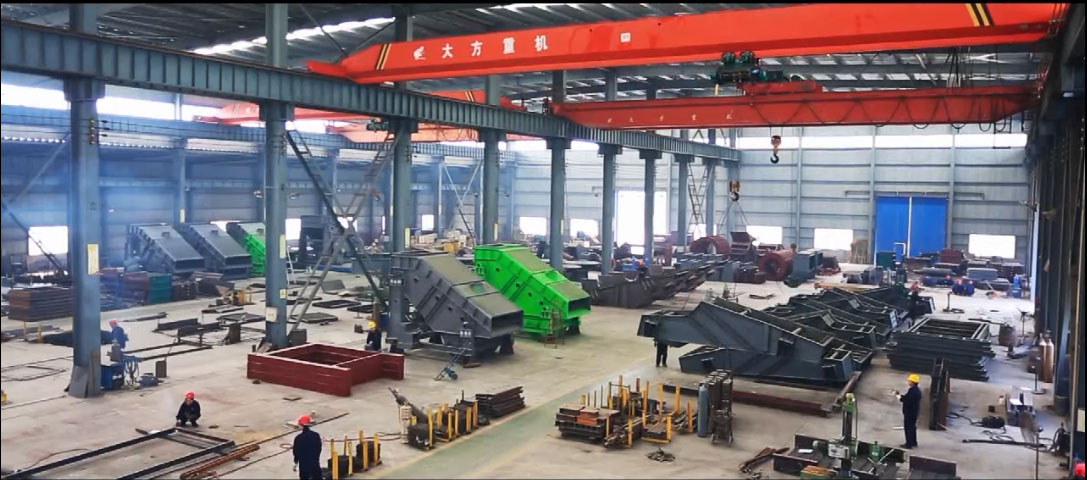
Our facility houses 80+ sets of equipment, including CNC vertical machining centers and automatic flame cutting machines, ensuring micrometer precision in conveyor frames.
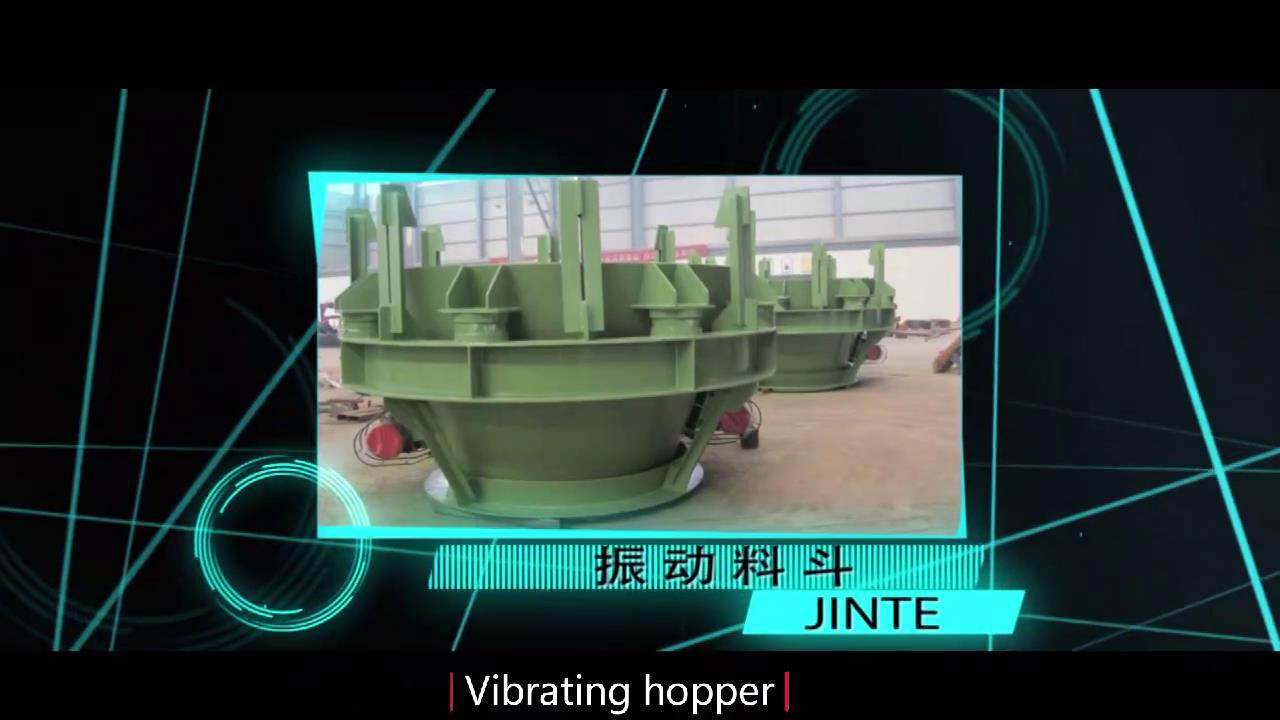
Using CXAX 3D design software and CAD workstations, we reduce the lead time from concept to delivery by 35% compared to traditional manufacturers.
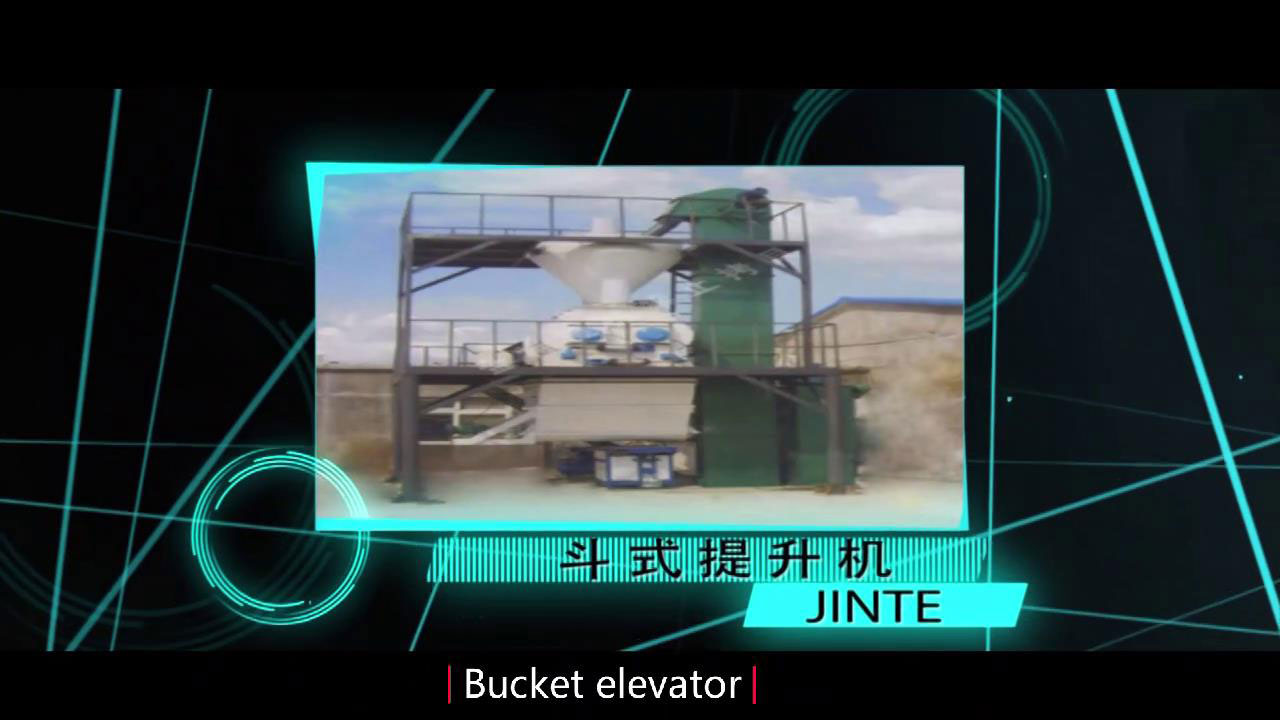
Located in Xinxiang Economic Zone, we leverage China's world-class logistics infrastructure to provide 100% transport safety and competitive international shipping rates.
The global material handling industry is shifting towards Smart Conveying. Inclined belt conveyors are no longer just static hardware; they are becoming data-integrated assets.
Handling abrasive ores at steep angles requires reinforced belts with high-tensile steel cords. Power calculations here must account for extreme load fluctuations.
Environmental regulations demand enclosed conveyor systems. The added weight of dust covers must be factored into the motor's starting torque.
Corrosion-resistant materials and specialized belt coatings change the friction coefficient (f), requiring adjusted power formulas.
For global enterprises, procuring from China requires more than just a low price; it requires Total Reliability. Henan Jinte Technology ensures all products meet:
We provide localized installation supervision and 24/7 remote technical support, bridging the gap between Chinese manufacturing excellence and local site requirements.