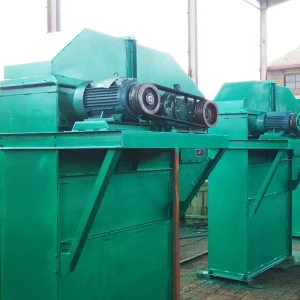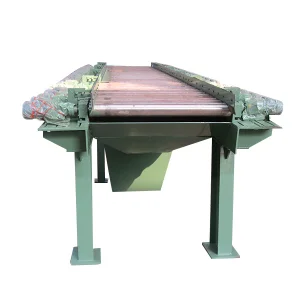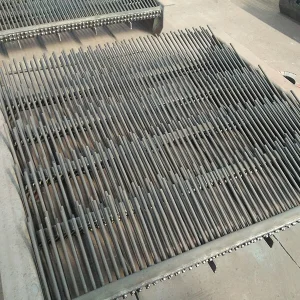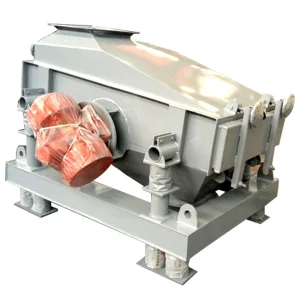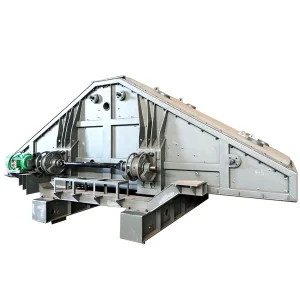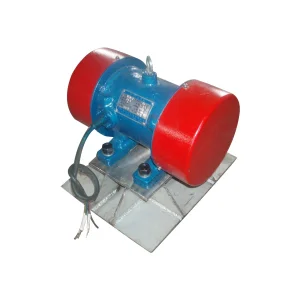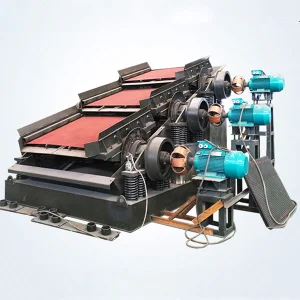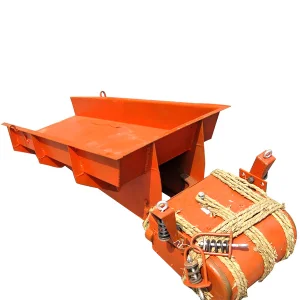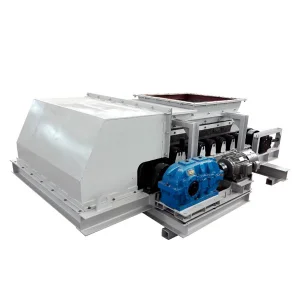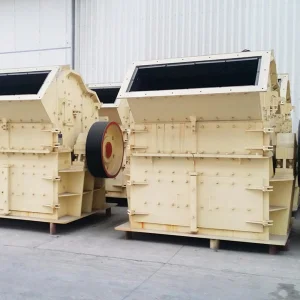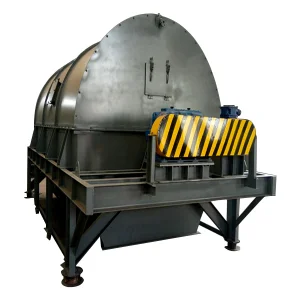
Explore our core manufacturing range engineered for heavy-duty industrial processing plants worldwide.
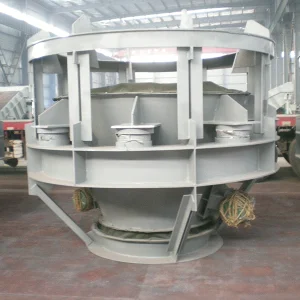
In modern raw material handling, the ability to control discharge and feeding rates is vital. A Rotating Disc Feeder (often referred to as a disk feeder) acts as a highly efficient volumetric feeding machine designed to regulate the flow of dry, powdery, granular, or small lump materials from storage hoppers, silos, or bins. By utilizing a continuously rotating horizontal plate combined with an adjustable scraper blade, the device sweeps a consistent, measured volume of material into the downstream process.
Unlike vibrating or belt feeders, rotating disc feeders isolate the bulk material load from the discharge point. The weight of the material in the bin rests primarily on the center of the rotating disc, rather than directly on the discharge opening. This design inherently mitigates issues such as flushing, flushing-induced floods, and bridging. It is particularly effective for handling highly cohesive, damp materials—such as clay, gypsum, limestone, or pulverized coal—which tend to stick and clog in standard gravity-fed chutes.
For international procurers, sourcing rotating disc feeders directly from Chinese manufacturing hubs, specifically from the Xinxiang Economic Development Zone in Henan Province, yields significant competitive advantages.
Xinxiang is globally renowned as the capital of China's vibration and screening machinery industry. Sourcing here means accessing a mature ecosystem where steel casting, heat treatment, alloy scraper fabrication, and high-performance motor manufacturing are localized.
Chinese factories specialize in tailored designs. Whether your plant requires wear-resistant chromium carbide overlays, variable frequency drives (VFDs) for process control, or sealed dust-tight covers, manufacturers can customize products to meet exact technical parameters.
By leveraging localized manufacturing supply chains, raw material purchasing power, and optimized CNC production processes, Chinese suppliers offer high-performance equipment at a fraction of the capital expenditure of Western competitors.
The capital expenditure (CAPEX) for a rotating disc feeder is influenced by several design variables. A basic understanding of these cost drivers is essential when requesting quotes or evaluating factory pricelists:
Henan Jinte Technology Co., Ltd. was officially registered and established in 2018. It has now developed into a mid-to-large-scale international enterprise specializing in the design and production of complete screening equipment, vibration equipment, and conveying products for sand and gravel production lines. The company also engages in machinery manufacturing, as well as the import and export of goods and technology.
Our company's products are exported to countries such as Iran, India, Central Africa, and Asia. The design of our products emphasizes the concepts of environmental protection and energy efficiency, with current technical standards meeting international benchmarks and maintaining a leading position in the vibration machinery industry.
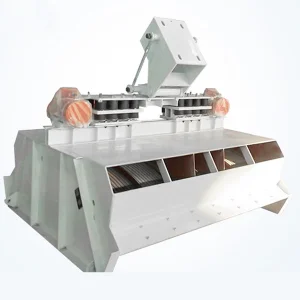
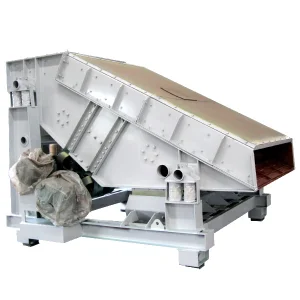
Our company mainly produces vibrating screen and its supporting equipment and complete sets of equipment, which are widely used in metallurgy, electric power, mining, coal, sand and stone, the chemical industry, ceramics, tailing and other complete production lines.
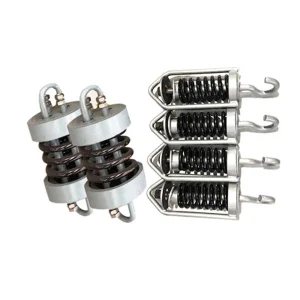
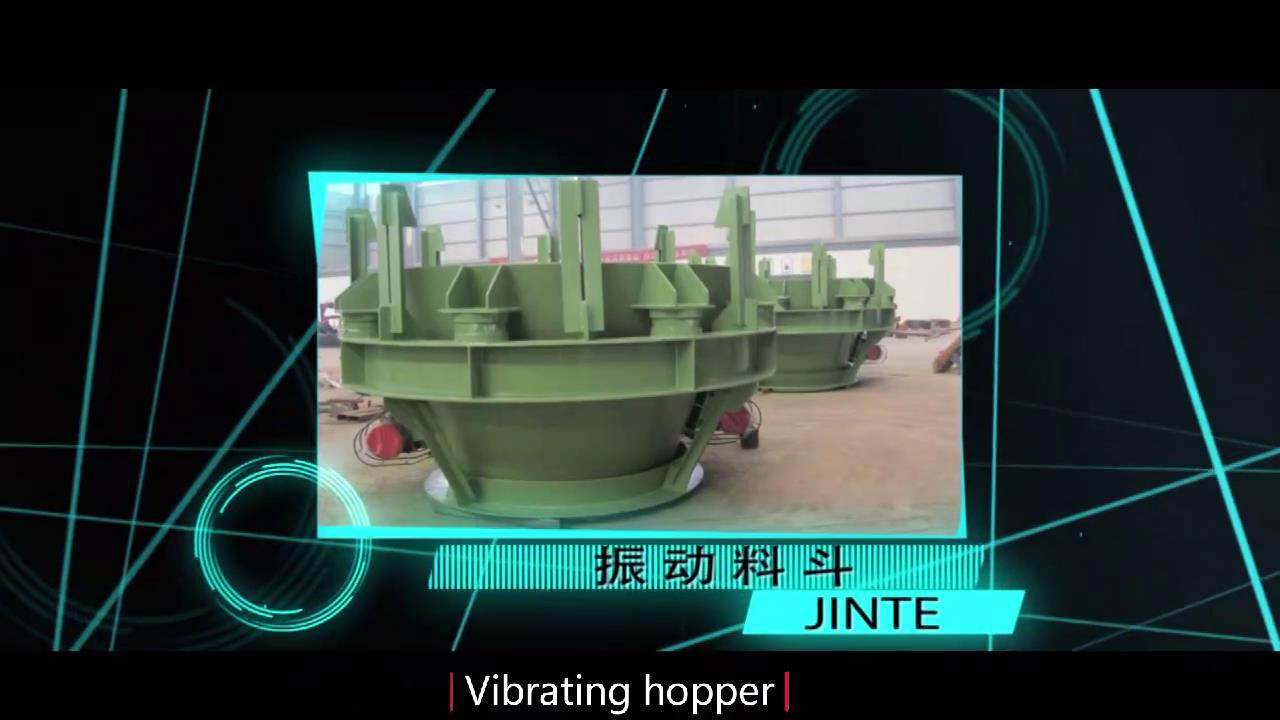
Our product catalog has more than 700 varieties of screening equipment, vibration equipment, conveying products, and crushers, including sandstone complete equipment, environmentally friendly sintered vibrating screen, supporting belt conveyor, mixing machine, unit composite vibrating screen, high-efficiency heavy-duty vibrating screen, large circular vibrating screen, double-axis three-axis self-synchronizing elliptical screen, probable rod screen, feeder, vibrating feed (coal) machine, electromagnetic feeder, disc feeder, reciprocating coal feeder, vibrating conveyor, bucket elevator, vibration motor, linear self-vibration source, crusher, composite springs, etc.
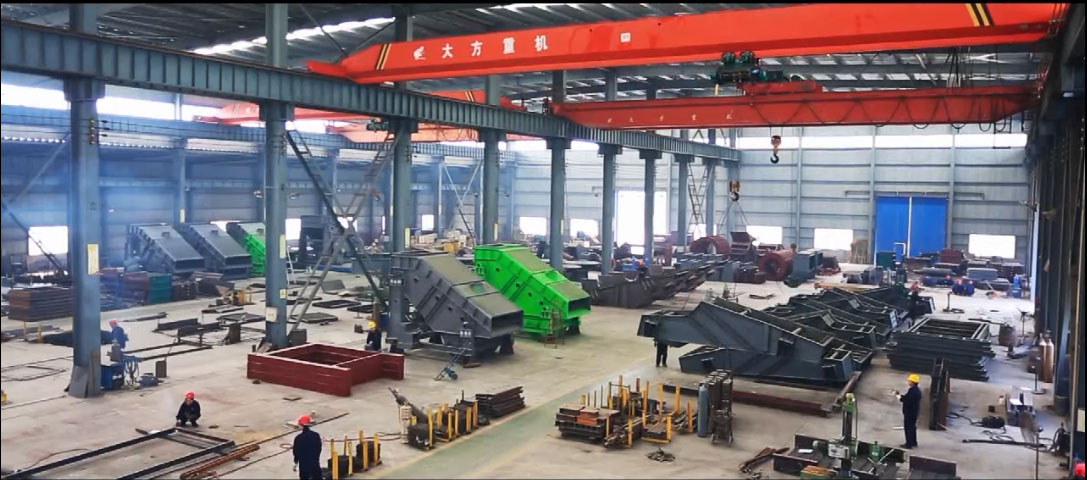
Henan Jinte Technology Co., Ltd. is located in the west section of Xinglong Road, Xinxiang Economic Development Zone, Henan Province, China. It covers an area of 26,000 square meters, with a factory building area of 25,000 square meters and a green area of 100,000 square meters.
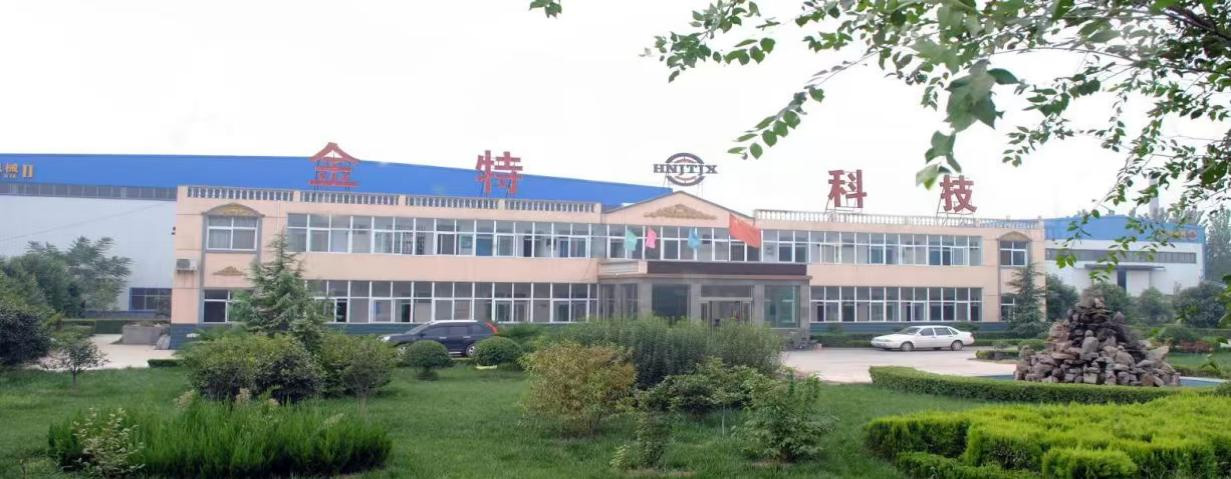
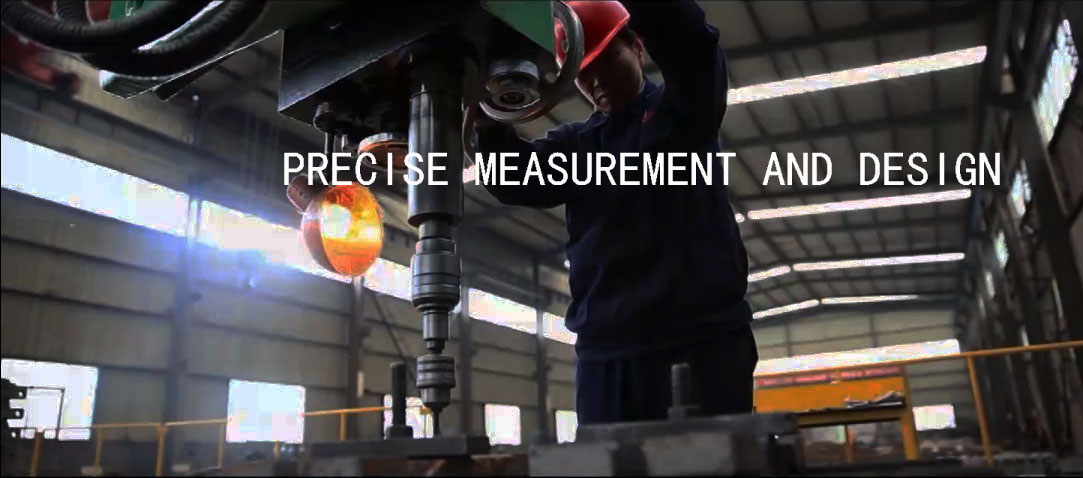
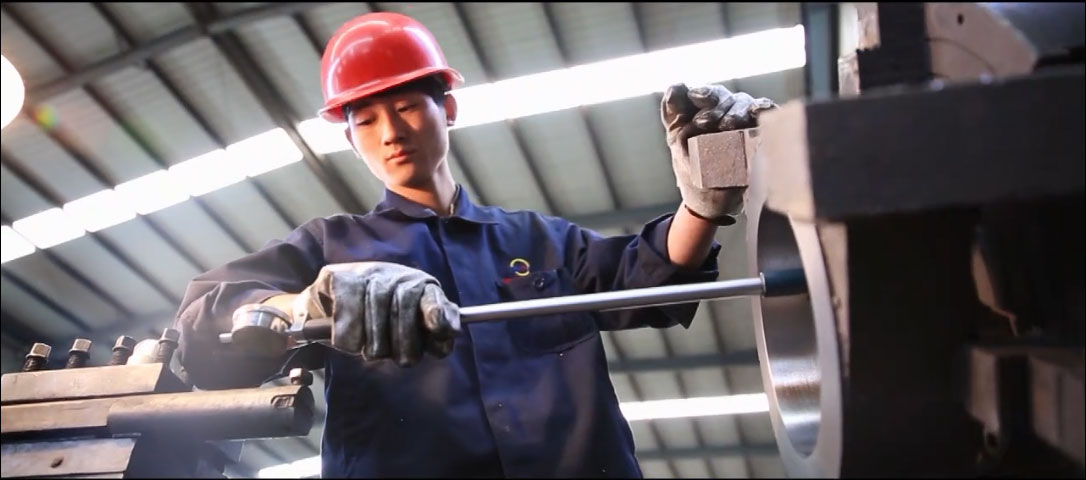
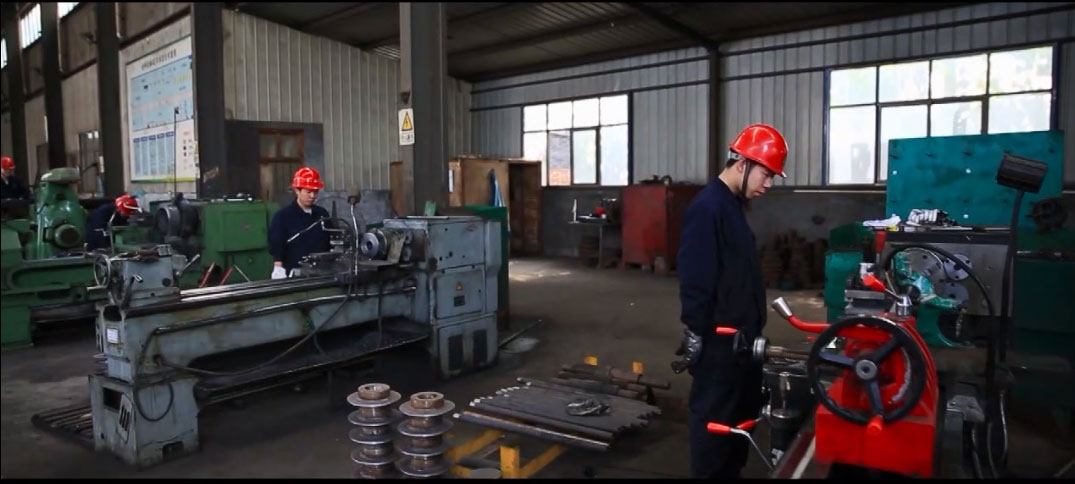
Our factory houses more than 80 sets of processing equipment such as forging, welding, lifting, and testing. This includes advanced vertical CNC machining centers, CNC automatic flame/plasma cutting machines, CNC bending equipment, CNC shearing equipment, automatic welding systems, automatic shot blasting facilities, and heavy lifting equipment capable of moving more than 20 tons in a single trip.
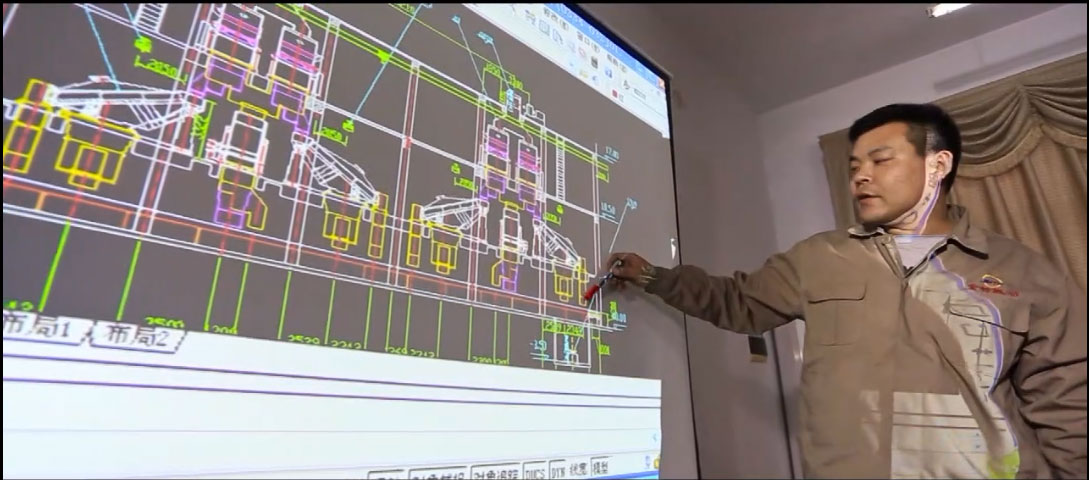
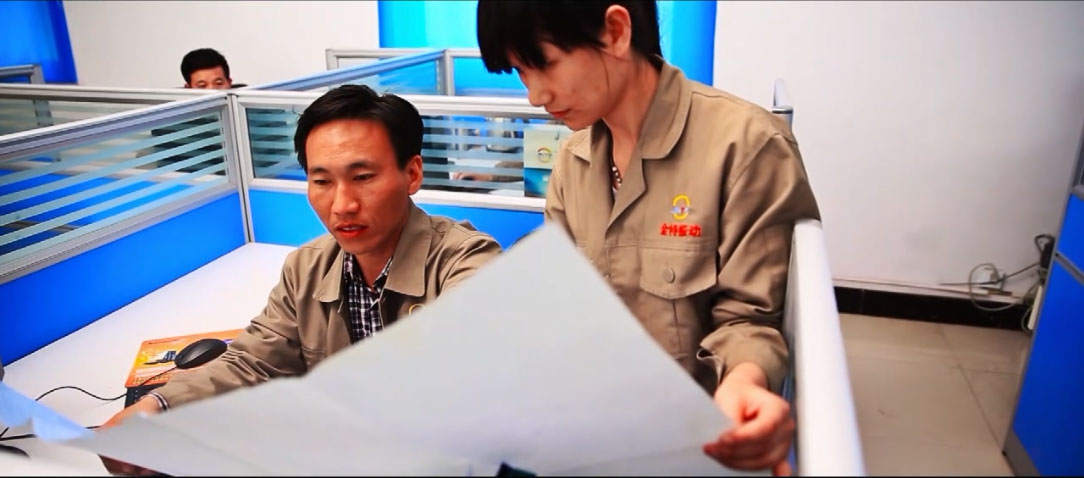
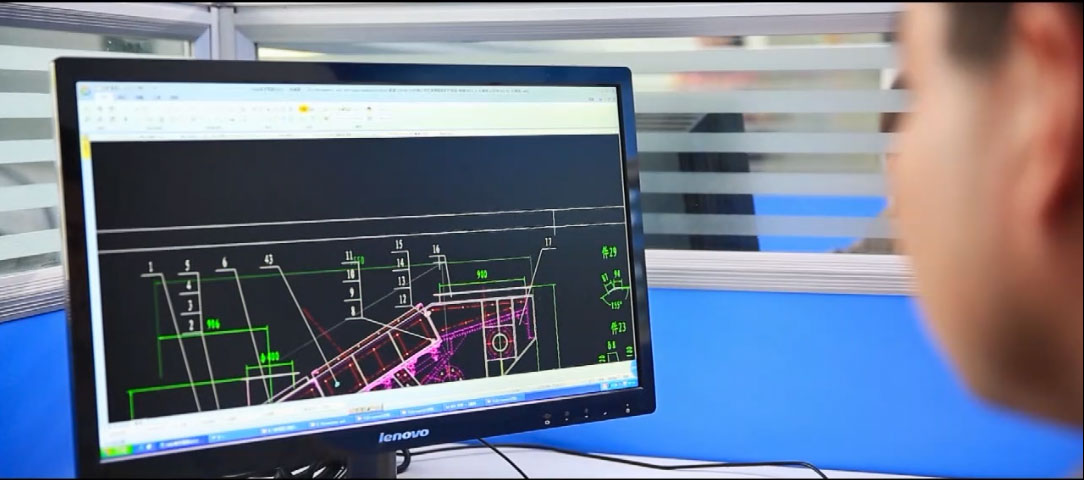
To ensure precision, the company established dedicated CAD workstations running CXAX 3D design and finite element analysis (FEA) software. This technology enables our engineers to model the structural physics of heavy machinery, simulate stress points on rotating discs under large static head loads, and verify the structural integrity of feed chutes before production. The engineering department utilizes 2 large servers, 18 microcomputers, color plotters, and digital blueprinters.
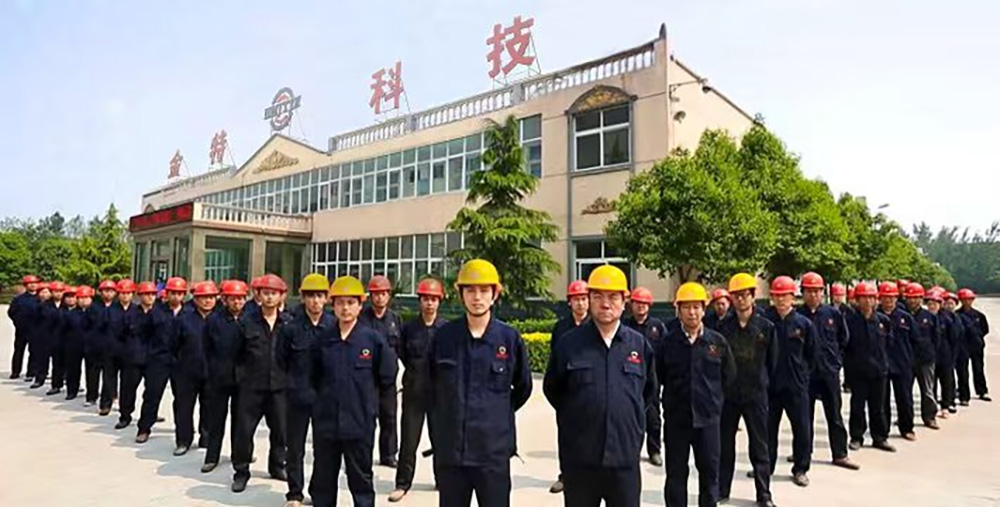
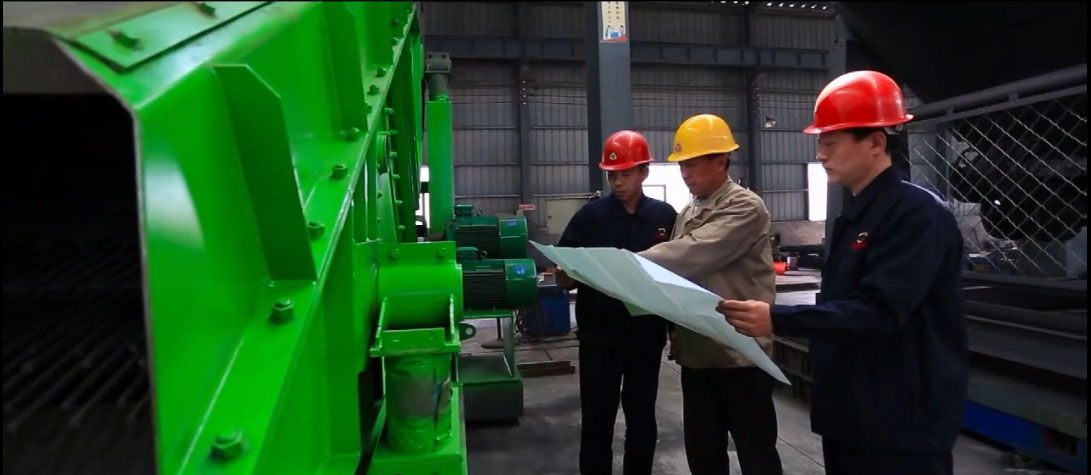
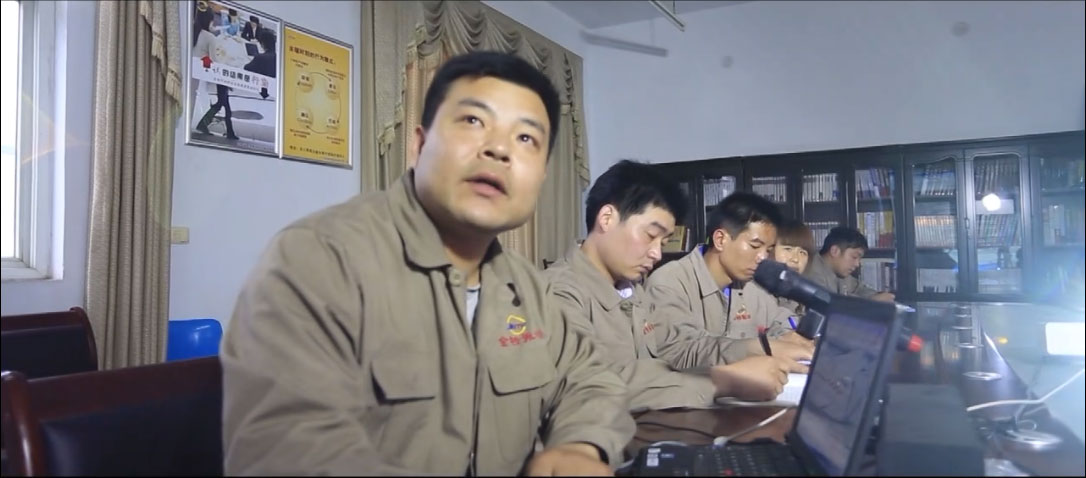
Our company has over 100 employees, including more than 45 dedicated technical and new product development specialists. Regardless of your project location, we assemble custom engineering teams to resolve operational challenges on-site or remotely. Our staff participates in ongoing technical training to align with global environmental policies, energy efficiency targets, and industrial safety codes.
Assessed by third-party industrial audits and quality management systems.
Ensuring responsive after-sales consultation and spare parts supply chains.
Maintaining secure packaging and global transport protocols (excluding force majeure).
Bulk material flow behaves differently depending on particle shape, moisture content, temperature, and hopper geometry. Rotating disc feeders are deployed to resolve common bulk flow bottlenecks in key heavy industries:
Bridging occurs when bulk material forms a stable arch over the hopper outlet. By introducing a rotating disc directly below the discharge opening, the material is continuously sheared, preventing the formations of mechanical or cohesive arches. This ensures a consistent draw down pattern within the silo.
Fine materials, such as pulverized coal or fly ash, can fluidize and act like a liquid when aerated. A standard gravity gate will fail to control this flow, leading to flooding. Rotating disc feeders utilize a controlled material seal within the collar. The disc speed governs the displacement, preventing run-away flushing.
In sinter plants, metallurgical processing, and cement factories, raw materials can exceed temperatures of 200°C. Jinte designs heat-resistant rotating disc feeders with thermal expansion joints, cast iron protective liners, and specialized cooling jackets to protect drive bearings and motors.
The field of bulk screening and feeding is undergoing rapid technical evolution. Modern buyers look for systems that integrate digital monitoring and energy conservation features.
Older disc feeders relied on mechanical changes to the scraper position to modify the feeding volume. While functional, this method prevents dynamic adjustments in automated plants. Modern systems utilize variable frequency drives (VFDs) to vary the rotational speed of the disc dynamically. This allows PLC systems in control rooms to adjust raw material feed rates on-the-fly based on real-time feedback loops.
Materials such as sinter and iron ore are highly abrasive, leading to wear on the disc surface and the scraper blades. Jinte offers specialized, replaceable liner plates made from manganese steel, chromium carbide overlays, or polyurethane linings. This modular design permits the replacement of wear surfaces without replacing the entire disc assembly, reducing lifetime maintenance costs.
As environmental regulations tighten globally, plants must contain fugitive dust emissions. Sealed rotating disc feeders prevent fine particulate matter from escaping into the workspace, lowering dust-explosion hazards and supporting compliance with local occupational health codes.

To assist procurement agents and project managers in making informed decisions, our engineering team has compiled answers to frequently asked technical and logistic questions:

Supporting heavy industrial construction sites, ore refineries, coal preparation plants, and building materials complexes in dozens of countries.
Explore our complete range of related machinery designed to complement the rotating disc feeder systems.