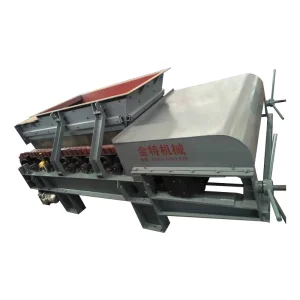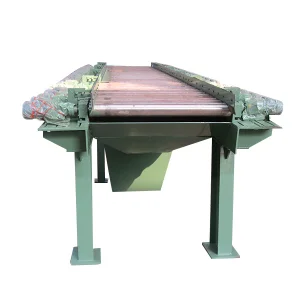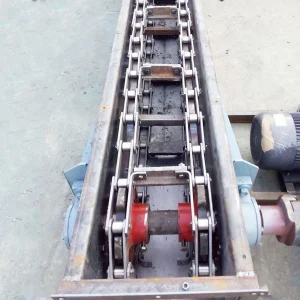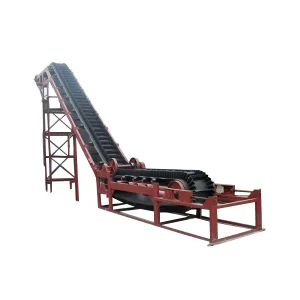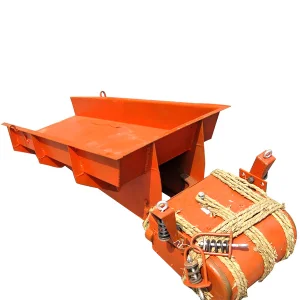
In the modern industrial landscape, the efficiency of material handling systems is often dictated by a single critical metric: Maximum Speed. For a belt feeder, speed is not merely a velocity measurement but a complex equilibrium between motor torque, belt tension, material friction, and mechanical structural integrity. As a leading Wholesale Belt Feeder Maximum Speed Supplier, Henan Jinte Technology is dedicated to pushing these boundaries through advanced engineering and data-driven design.
The "Maximum Speed" of a belt feeder typically refers to the highest linear velocity the belt can achieve while maintaining precise volumetric or gravimetric control without compromising the safety of the equipment or the quality of the handled material. In high-demand environments like metallurgy, coal mining, and sand production, achieving an optimal speed is the difference between a profitable operation and a bottlenecked supply chain.
Utilizing Variable Frequency Drives (VFD) to allow real-time adjustments, ensuring the belt reaches its maximum rated speed only when material load allows, optimizing energy consumption.
High-speed operations increase vibration. Our feeders are designed using CXAX 3D software and finite element analysis to ensure the chassis can withstand harmonic resonances at peak velocities.
From the diameter of the drive pulley to the friction coefficient of the lagging, every component is calibrated to prevent belt slippage during maximum speed bursts.
Global demand for bulk material handling equipment is projected to grow significantly as infrastructure projects in Central Africa, Asia, and the Middle East continue to scale. The shift toward "Smart Factories" requires belt feeders that aren't just fast, but intelligent. Maximum speed is now a component of Throughput Optimization, where sensors relay data back to central AI systems to synchronize feeding speeds with downstream processing capacities.
In the current industrial climate, companies like Henan Jinte Technology Co., Ltd. are bridging the gap between traditional mechanical engineering and digital automation. By exporting to countries such as Iran and India, we have adapted our high-speed solutions to operate in extreme environmental conditions, from high-humidity coastal zones to arid, dusty mining sites.
Driving the demand for high-speed coal and sand processing systems to support rapid urbanization.
Focusing on energy efficiency (IE3 motors) and safety standards, ensuring maximum speed doesn't lead to excessive noise or dust emission.
Requiring heavy-duty feeders capable of maximum speed under high-impact loads in remote, off-grid locations.
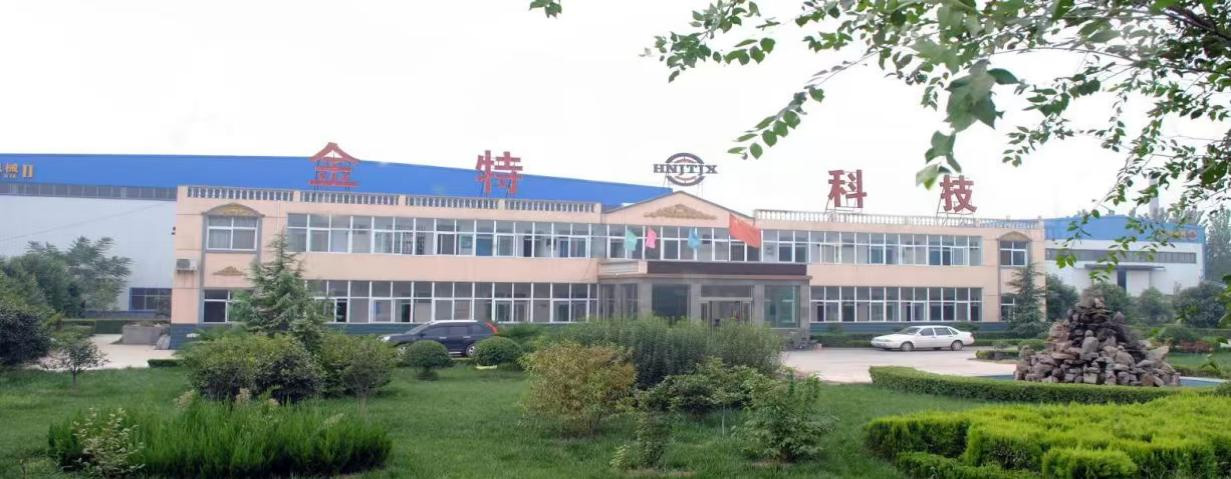
Registered and established in 2018, Henan Jinte Technology Co., Ltd. has developed into a mid-to-large-scale international enterprise specializing in the design and production of complete screening equipment, vibration equipment, and conveying products for sand and gravel production lines. Our company also engages in machinery manufacturing, as well as the import and export of goods and technology.
Our company's products are exported to countries such as Iran, India, Central Africa, and Asia. The design of our products emphasizes the concepts of environmental protection and energy efficiency, with current technical standards meeting international benchmarks and maintaining a leading position in the vibration machinery industry.
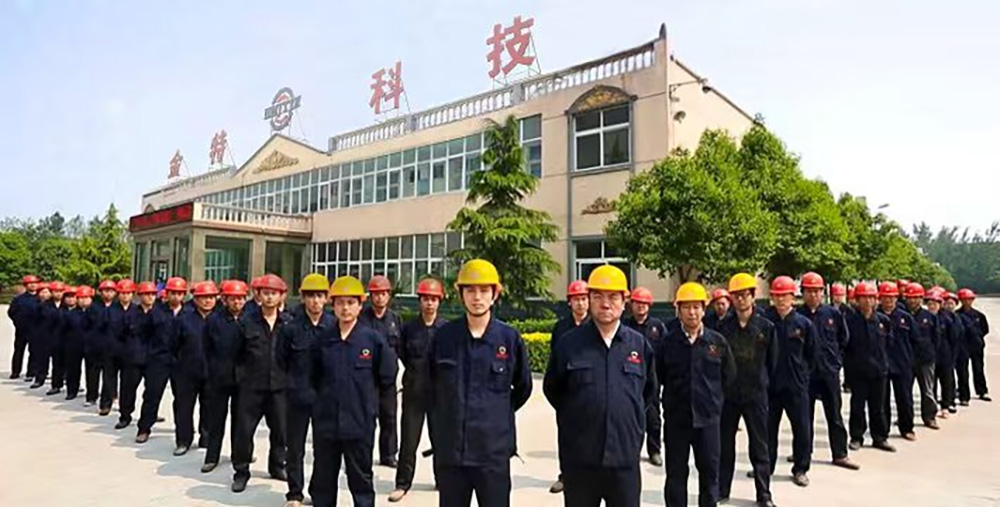
With over 100 employees, including more than 45 technical and new product development teams, we are able to establish a professional team as required. Our teams are always in high alert so your potential problems can be solved with military precision.
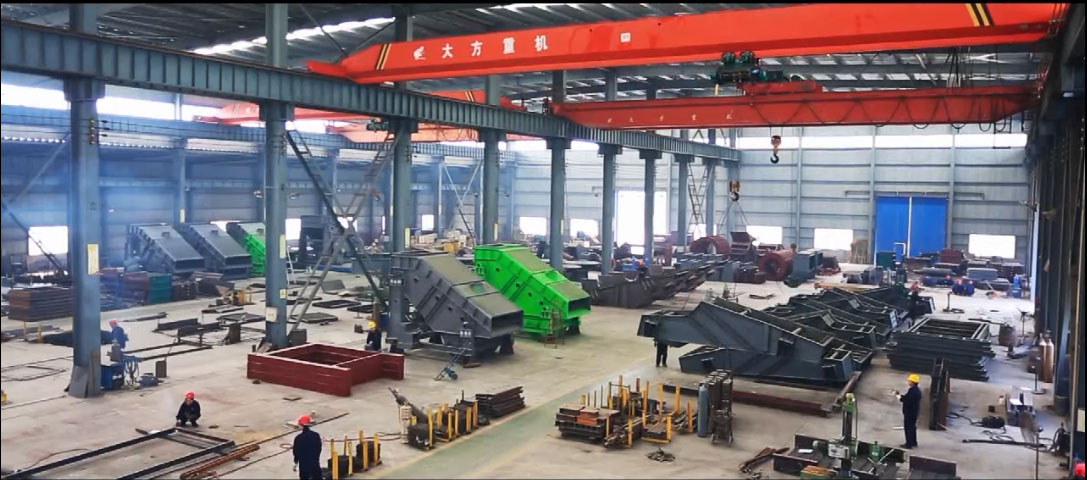
Our factory covers 26,000 square meters and houses over 80 sets of processing equipment, including CNC machining centers, automatic flame cutting machines, and automatic welding equipment. We utilize CXAX 3D design software for finite element analysis.
The future of belt feeder speed management lies in the integration of Digital Twins and Predictive Maintenance. By creating a virtual model of the belt feeder, engineers can simulate maximum speed scenarios under varying loads without risking physical equipment. This allows for the "Information Gain" that gives our clients a competitive edge.
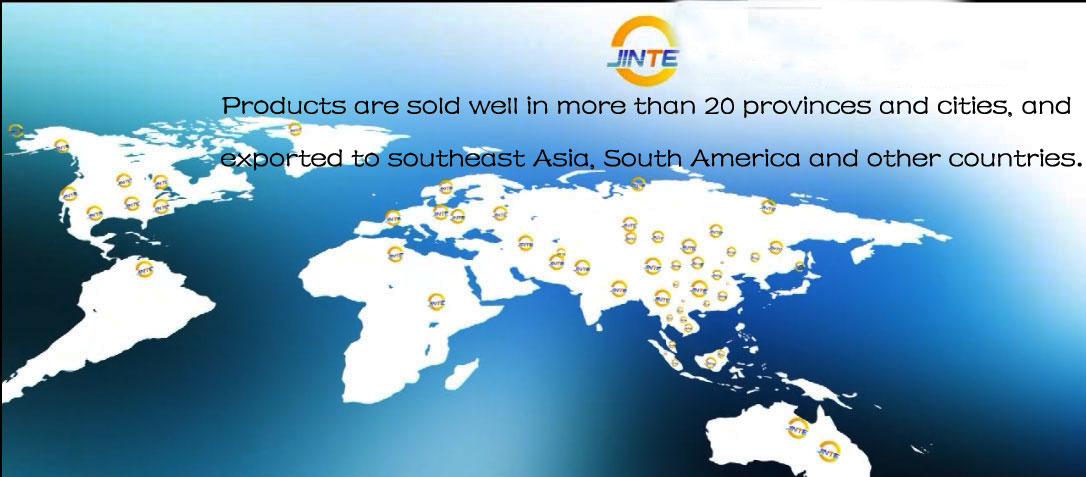
Jinte Global Marketing Network: Supporting high-speed infrastructure across continents.
We ensure all Belt Feeders meet local safety and electrical codes, including CE, ISO, and specific national industrial requirements in Iran, India, and beyond.
Maximum speed is only safe when the feeder is perfectly leveled and calibrated. Our technicians provide on-site installation and tuning services.
Our high-speed units feature remote monitoring capabilities to ensure that if a speed-related issue occurs, our global support team can intervene immediately.
A: Denser materials increase the load on the motor and belt tension. To maintain structural safety, the maximum speed is often inversely proportional to the material density. Our VFD systems automatically calculate this ratio to prevent motor overload.
A: High-speed operations require more frequent lubrication of pulley bearings and regular inspection of belt tracking. We recommend automated lubrication systems for units operating at over 80% of their maximum rated speed.
A: In many cases, yes. Upgrading the motor, installing a VFD, and reinforcing the frame can increase the maximum speed. However, a full structural analysis by Jinte engineers is required to ensure safety.
A: We have a 100% transport safety record (excluding natural disasters). We use specialized heavy-duty packaging and partner with global logistics leaders to ensure your high-speed feeder arrives in perfect calibration.